Germany and Canada signed a landmark agreement Monday to supply liquefied natural gas to Europe's largest economy, marking a significant step in Berlin's effort to replace Russian energy imports lost after the invasion of Ukraine.
The deal, announced by German Chancellor Olaf Scholz and Canadian Prime Minister Justin Trudeau, will see Canadian LNG exported to Germany once new export terminals become operational on Canada's Atlantic coast. The first deliveries are not expected until the late 2020s, according to government officials familiar with the timeline.
To understand today's headlines, we must look at yesterday's decisions. Germany spent decades building an energy relationship with Russia that left it dangerously dependent on Moscow's gas supplies. By 2021, Russian natural gas accounted for more than 50 percent of Germany's consumption—a strategic vulnerability that became catastrophically apparent when Russia invaded Ukraine in February 2022.
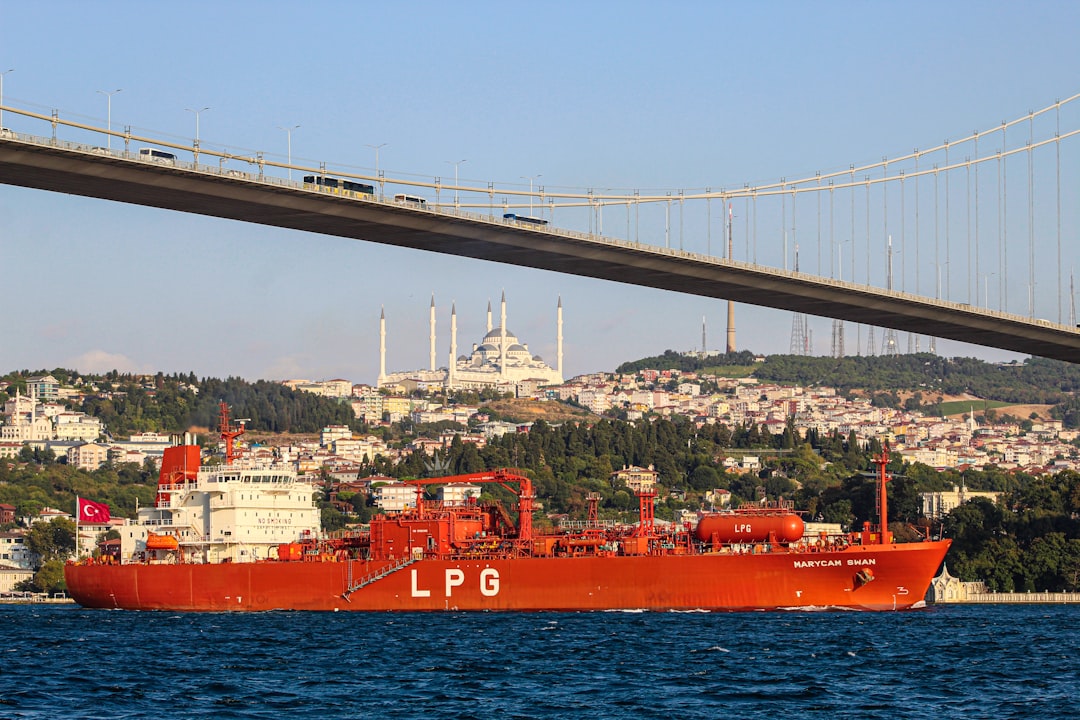
The subsequent rupture of that relationship forced Germany into a frantic scramble for alternative supplies. Berlin rapidly built LNG import terminals on its northern coast, capable of receiving seaborne gas shipments. German officials inked deals with suppliers from Qatar, the United States, and Norway. But diversifying supply sources has proven expensive, with German consumers paying substantially higher energy prices than before the war.
The Canadian deal offers Germany access to a politically stable, democratic supplier with substantial reserves. Canada holds the world's 19th-largest proven natural gas reserves, according to the US Energy Information Administration, but has historically lacked the infrastructure to export LNG to European markets.
That is changing. Canadian energy companies are developing LNG export facilities on the country's east coast, positioned to serve European markets more efficiently than existing facilities in British Columbia, which primarily target Asian customers. The projects face environmental opposition and regulatory hurdles, but Canadian officials expressed confidence that facilities will be operational by the end of the decade.
The timeline presents a challenge: Germany needs reliable gas supplies now, not in 2029. In the interim, Berlin will continue relying on a patchwork of suppliers and the LNG spot market, where prices fluctuate based on global demand. The Canadian deal provides long-term security but offers little immediate relief.
Capacity details remain unclear, with neither government specifying the volume of gas covered by the agreement. Industry analysts estimate that planned Canadian export terminals could ship between 10 and 15 million tons of LNG annually—enough to replace a meaningful fraction of Germany's pre-war Russian imports, which totaled roughly 55 billion cubic meters per year before 2022.
For Canada, the deal represents validation of long-debated investments in LNG export infrastructure. Environmental advocates have opposed such projects, arguing they lock in fossil fuel dependence for decades. Canadian officials counter that providing Europe with stable gas supplies serves both economic and geopolitical interests—reducing European vulnerability to Russian coercion while generating revenue for Canadian producers.
The agreement also reflects a broader recalibration of global energy flows triggered by the war in Ukraine. Russian gas that once flowed westward through pipelines to Europe is being redirected to China and other Asian markets. European countries that relied on cheap Russian supplies now compete for LNG cargoes on global markets, driving up prices.
This new geography of energy creates winners and losers. LNG exporters—the United States, Qatar, Australia, and potentially Canada—benefit from surging demand. European consumers pay more. And Russia loses both revenue and the political leverage that came with Europe's energy dependence.
Whether Germany can fully replace Russian gas without compromising its industrial competitiveness remains an open question. German manufacturers, particularly in chemicals and heavy industry, have struggled with higher energy costs. Some have relocated production to regions with cheaper power. The Canadian deal may eventually stabilize prices, but the era of abundant, inexpensive Russian gas is over—and German industry is still adapting to that reality.