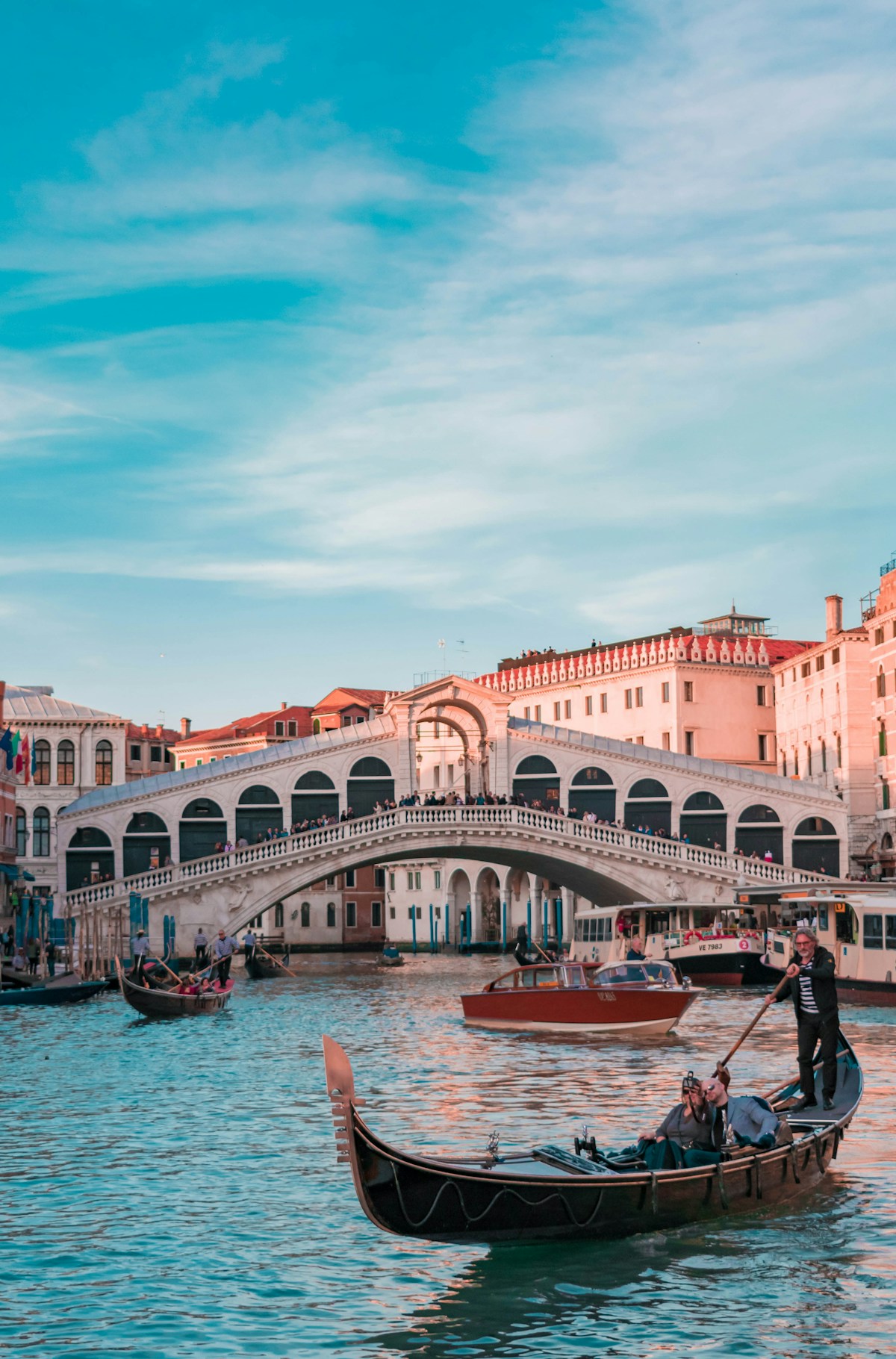
Venice has become shorthand for overtourism run amok - cruise ships disgorging thousands daily, Airbnbs displacing locals, Instagram hordes clogging narrow bridges. But a traveler's three-day February visit revealed something surprising: Venice in winter is "fairly quiet" and delivers the romantic, atmospheric experience the city is famous for.
The brief but telling trip report offers a simple solution to overtourism that works for nearly any crowded destination: go when everyone else doesn't.
The Overtourism Crisis
Venice receives roughly 30 million visitors annually - staggering for a city with fewer than 60,000 permanent residents. The local population has plummeted from 175,000 in 1951 to under 50,000 today, driven out by skyrocketing rents, tourist-focused businesses replacing essential services, and the daily chaos of mass tourism.
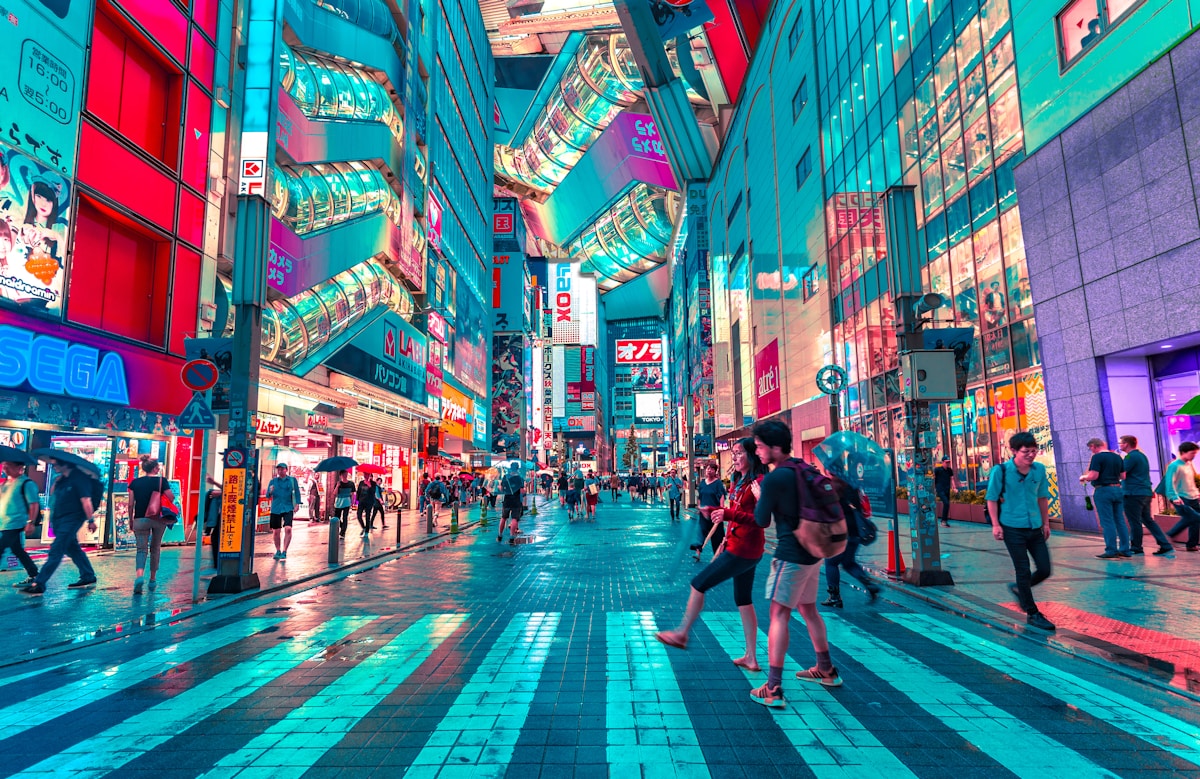
In peak summer months (June-August) and during major events like Carnival, the city becomes nearly unbearable. St. Mark's Square transforms into a human traffic jam. Restaurants serve overpriced mediocre food to tourists who'll never return. The romantic gondola ride becomes a conveyor belt of selfie-takers.
Local authorities have tried various interventions: banning cruise ships from the main canal (with mixed enforcement), implementing tourist taxes, requiring day-tripper reservations. Nothing has fundamentally solved the problem because the incentive structure rewards maximizing visitor numbers.
Winter Changes Everything
Visiting in February - outside school holidays, before Easter, during unpredictable weather - the traveler found Venice "fairly quiet." That simple descriptor carries enormous weight.
Quiet Venice means: - Actually seeing architecture details without craning around selfie sticks - Restaurants serving locals alongside tourists, incentivizing quality - Gondoliers not rushing through routes to maximize daily rides - The sound of water lapping against stone instead of constant chatter - Walking across bridges without queuing
The traveler's verdict: "It was so much more than I expected." That surprise suggests their expectations had been lowered by overtourism horror stories. Winter exceeded those diminished expectations because the city could breathe.
The Off-Season Advantage
Seasonal timing dramatically impacts travel experiences across numerous overtouristed destinations:
Dubrovnik, Croatia: Unbearable in July when Game of Thrones fans and cruise passengers collide; charming in November when you can walk the old town walls without crowds.
Santorini, Greece: Instagram hell in August with hotels charging €300/night; peaceful in March with €80 rooms and locals actually visible.
Barcelona, Spain: Locals flee La Rambla in summer; winter brings the city back to residents and travelers willing to tolerate cooler weather.
Kyoto, Japan: Cherry blossom season (late March/early April) sees tourist mobs; January offers temples in snow with minimal visitors.
The trade-off is weather uncertainty and shorter daylight hours. But for many travelers, that's a worthwhile exchange for experiencing destinations as they're meant to be rather than as tourist factories.
Economic Reality
Off-season travel isn't just better experientially - it's dramatically cheaper.
Venice hotels that charge €250/night in July might offer €90/night in February. Flights to Italy drop by 30-50% outside peak summer. Restaurant prices remain the same, but you're less likely to get hustled into tourist traps when competition for locals' business still matters.
For budget travelers, shoulder/off-season timing can make expensive destinations suddenly affordable. A week in Venice that's financially impossible in summer becomes viable in winter.
Environmental Impact
Spreading tourism temporally (across more months) and geographically (to secondary cities) reduces the environmental strain on fragile destinations.
Venice is literally sinking - partly from natural subsidence, partly from the weight and water displacement of massive cruise ships and constant foot traffic. Concentrating 30 million visitors into 4-5 peak months accelerates damage. Spreading those visitors across 12 months eases the burden.
This applies to natural sites too: visiting Iceland in November instead of July means less erosion on hiking trails, less waste generation overwhelming rural infrastructure, and more sustainable tourism.
The Cultural Experience Argument
Some argue that visiting Venice in winter means missing festivals, summer outdoor dining, and warm evening strolls. But it also means seeing how Venetians actually live.
Winter visitors encounter locals grocery shopping, children walking to school, neighbors chatting in dialect. Summer visitors encounter performative "Venice" - a theme park version optimized for tourist consumption.
Which is more authentic? The question is subjective, but travelers seeking cultural immersion often prefer off-season visits when the tourist veneer cracks and real life shows through.
Practical Off-Season Tips
For travelers considering winter/shoulder-season visits to crowded destinations:
Pack layers: Weather is less predictable outside peak season. Bring clothes you can add/remove as conditions shift.
Check opening hours: Some attractions reduce hours or close entirely off-season. Research in advance to avoid disappointment.
Embrace flexibility: Rain day? Museum day. Surprise sunshine? Adjust plans to capitalize on good weather.
Book less in advance: Off-season means less competition for accommodation/restaurants. You can often find better deals booking closer to travel dates.
Expect service variability: Some businesses close for renovations or holidays during slow months. Have backup options.
As the traveler concluded about Venice: "I would love to go back there one day." That's the sign of a successful trip - not checking off Venice and moving on, but experiencing it well enough to want to return.
Overtourism is destroying iconic destinations, but strategic timing can help. Visit popular places during shoulder/off-seasons. Venice in February isn't "Venice" as travel brochures sell it - but it might be the Venice worth experiencing.