A 27-year-old solo traveler returned from Japan with a perspective shift: the self-consciousness about dining alone and standing out that plagued them elsewhere simply dissolved in Tokyo. Between the capital's anonymous rhythm and Hakone's quiet beauty, Japan proved ideal for anxious first-time solo travelers.
Their reflective post captures why Japan consistently ranks as a top destination for nervous solo travelers - and what specifically makes Tokyo and Hakone work for people worried about being conspicuous.
Tokyo's Normalizing Effect
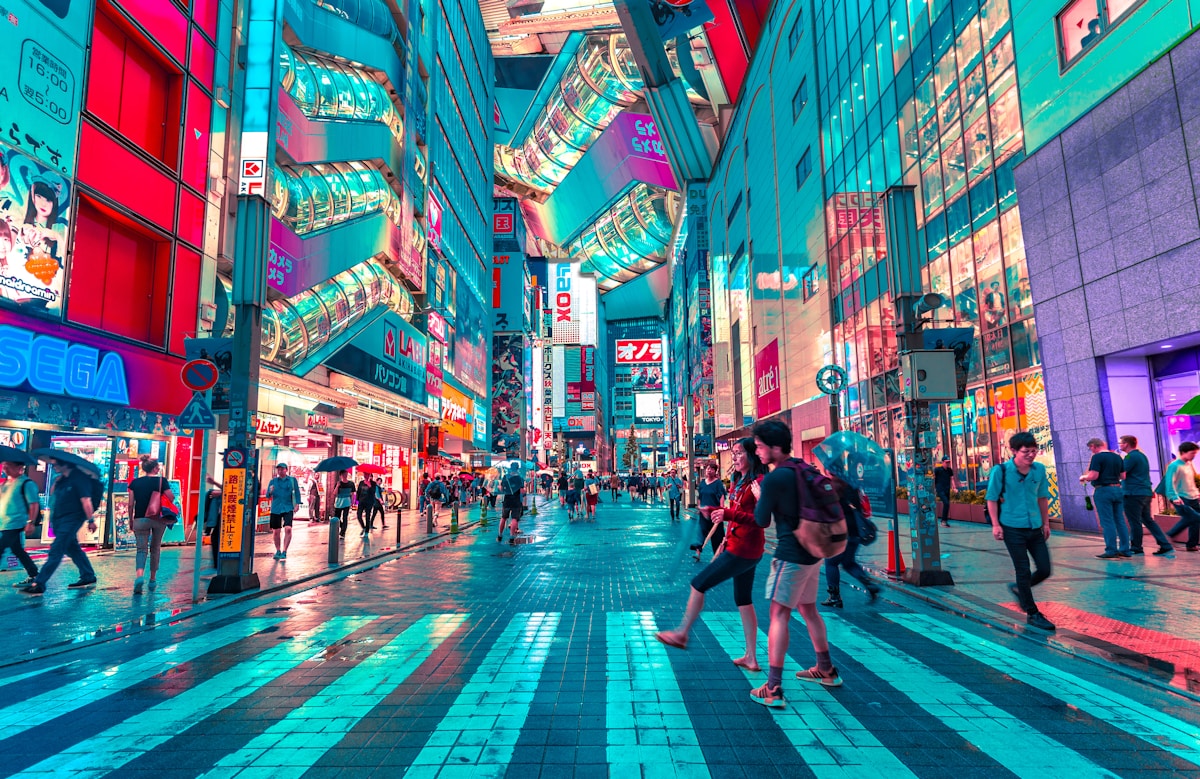
"Tokyo felt overwhelming the first 24 hours," they wrote. "The scale of it, the stations, the pace... I remember standing in Shinjuku Station staring at the signs thinking what have I done LOL."
This initial overwhelm is common. Shinjuku Station is the world's busiest train station - 3.6 million passengers daily navigating a labyrinth of platforms, exits, and connected malls. For first-time visitors, it's disorienting.
But "by day three something shifted and it's like I started understanding the rhythm."
What changed wasn't Tokyo - it was their confidence navigating it. Morning coffee runs became routine. They learned which shrines were tucked between office buildings. They discovered that late-night ramen at the counter came with "zero pressure to talk."
Most importantly: "Being alone didn't feel obvious there. It felt NORMAL."
This is Tokyo's gift to solo travelers. In many Western cities, eating alone at a restaurant draws attention - pitying glances, servers asking "just one?", the assumption that solo dining is sad. In Tokyo, solo dining is standard. Counter seating at ramen shops, izakayas, and sushi bars is designed for individuals. No one cares if you're alone.
The Solo Dining Revolution
"Eating sushi alone and realizing no one cared that I was by myself - as someone who can get in her head about solo dining, that was sooooo freeing!"
Japanese cultural norms around solitude differ markedly from Western assumptions that alone = lonely. Solo karaoke ("hitokara"), solo movie theaters, solo dining - all are normalized rather than stigmatized.
This creates psychological safety for anxious travelers. You're not an oddity. You're not pitiful. You're simply someone eating dinner, like hundreds of others around you also eating dinner alone.
For travelers who've avoided solo trips specifically because they dread the awkwardness of restaurant meals, Japan dismantles that barrier.
Small Moments Over Big Attractions
"Some of my best moments were small, like sitting in Ueno Park watching people walk their dogs. Or getting lost in side streets in Daikanyama."
This reflects a broader shift in how people approach travel - away from checklist attractions toward experiential moments. Ueno Park isn't on most "Top 10 Tokyo" lists, but watching daily life unfold in a beautiful setting creates the kind of memory that lasts.
Getting lost in Daikanyama - a trendy, walkable neighborhood with bookstores, cafes, and boutiques - offers the pleasure of discovery without the pressure of seeing "must-see" sights.
This approach works particularly well for solo travelers because you move at your own pace. Want to sit in the park for two hours? Do it. Want to wander aimlessly for an afternoon? No one's waiting impatiently.
Hakone: The Opposite Energy
After Tokyo's intensity, Hakone provided balance: "slower, softer."
Hakone is a mountain town 90 minutes from Tokyo, famous for hot springs (onsen), views of Mt. Fuji, and the excellent Hakone Open Air Museum. Many travelers treat it as a day trip, but this traveler spent one night at a ryokan (traditional Japanese inn).
"I'm so glad I didn't rush it as a day trip. After Tokyo's intensity, soaking in an onsen and waking up to mist over the mountains felt unreal."
Ryokan stays are quintessentially Japanese experiences: tatami mat rooms, futon bedding, kaiseki meals (multi-course traditional dinners), and private or communal hot spring baths. For solo travelers worried about feeling awkward, ryokans manage to make solo stays feel luxurious rather than lonely.
Many ryokans offer private onsens that can be reserved by the hour - perfect for travelers uncomfortable with communal bathing.
The Walking Meditation Moment
"There was a moment in Hakone where I was walking alone in the early morning and it was completely quiet. Just fog and trees. It felt very far from home in a way that was calm instead of scary."
This is the transformative moment many solo travelers chase - feeling far from home not as threat but as peace. The distance becomes meditative rather than isolating.
For someone who'd previously felt self-conscious traveling alone, this moment represented a breakthrough: solitude as gift rather than deficit.
Tokyo Made Me Capable, Hakone Made Me Breathe
"Tokyo made me feel capable and Hakone made me breathe. I think that's the best way I can put it."
This balance is why the Tokyo-Hakone combination works so well for first-time solo travelers. Tokyo builds confidence through navigation challenges, cultural immersion, and the normalization of solitude. Hakone provides space to process that growth in tranquility.
Together, they create a trip that's both stimulating and restorative - a rare combination.
Why Japan Works for Nervous Solo Travelers
Beyond this traveler's experience, Japan offers structural advantages:
Safety: Exceptionally low crime rates. Women walk alone at night in major cities without concern.
Cleanliness: Reduces the "grittiness" that can feel overwhelming in some solo destinations.
Public transit: Reliable, safe, and easy to navigate once you understand the system. No need for taxis or rideshares.
Solo-friendly infrastructure: Capsule hotels, solo dining counters, single-person karaoke booths - designed for individuals.
Cultural politeness: While language barriers exist, Japanese hospitality culture means help is readily available when needed.
English signage: Major cities have enough English on signs/menus to reduce anxiety, but enough Japanese-only situations to feel adventurous.
The Personal Growth Payoff
"Traveling solo there wasn't about constant socializing or big dramatic breakthroughs. I felt safe, independent and present."
This might be the most important insight. Solo travel doesn't require becoming extroverted or having epiphanies. It can simply be about feeling present in your own experience - safe enough to wander, independent enough to make decisions, present enough to notice morning fog and quiet streets.
For anxious travelers considering their first solo trip, Japan offers a rare combination: challenging enough to build confidence, structured enough to feel safe, and culturally normalized around solitude.
As they concluded: "Tokyo and Hakone gave me something I didn't know I needed." Sometimes the best travel isn't about the destination - it's about discovering you're braver than you thought.