American military forces launched strikes against Kharg Island early Thursday, targeting military installations on Iran's most critical petroleum export terminal in a dramatic escalation of the week-old conflict.
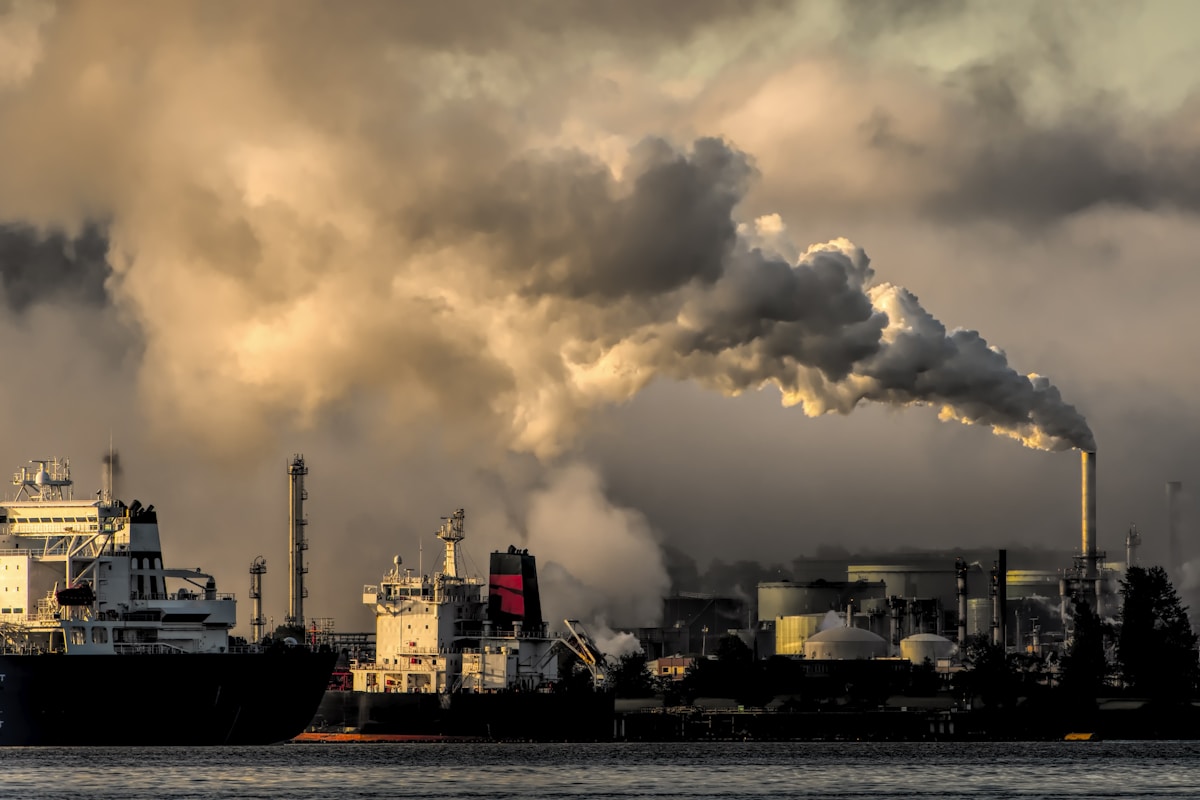
The island, located in the Persian Gulf, handles approximately 90 percent of Iran's oil exports, making it the economic jugular of the Islamic Republic. President Donald Trump confirmed the attacks, stating that "military targets on the island were obliterated" while claiming oil infrastructure remained intact.
To understand today's headlines, we must look at yesterday's decisions. The strike represents the most direct US-Iranian military confrontation since Operation Praying Mantis in 1988, when American forces destroyed Iranian oil platforms and naval vessels in response to mine attacks on Kuwaiti tankers. That operation, conducted during the Iran-Iraq War, saw significantly different strategic calculations than today's environment.
According to Reuters, the Pentagon coordinated strikes from naval assets positioned in the Gulf and airbases across the region. The targeting of Kharg Island signals American willingness to threaten Iran's primary revenue source, though officials insisted petroleum export facilities were not damaged.
Iran's response came swiftly. Tehran launched ballistic missiles at American positions in Saudi Arabia, hitting multiple sites including airbases hosting US refueling aircraft. The retaliatory strikes demonstrate Iran's capacity for precision attacks against American assets across the Gulf region.
The escalation follows Iran's blockade of the Strait of Hormuz, through which roughly one-fifth of global oil supplies transit daily. While has selectively allowed passage to vessels from nations it considers neutral, the waterway remains effectively closed to Western shipping.