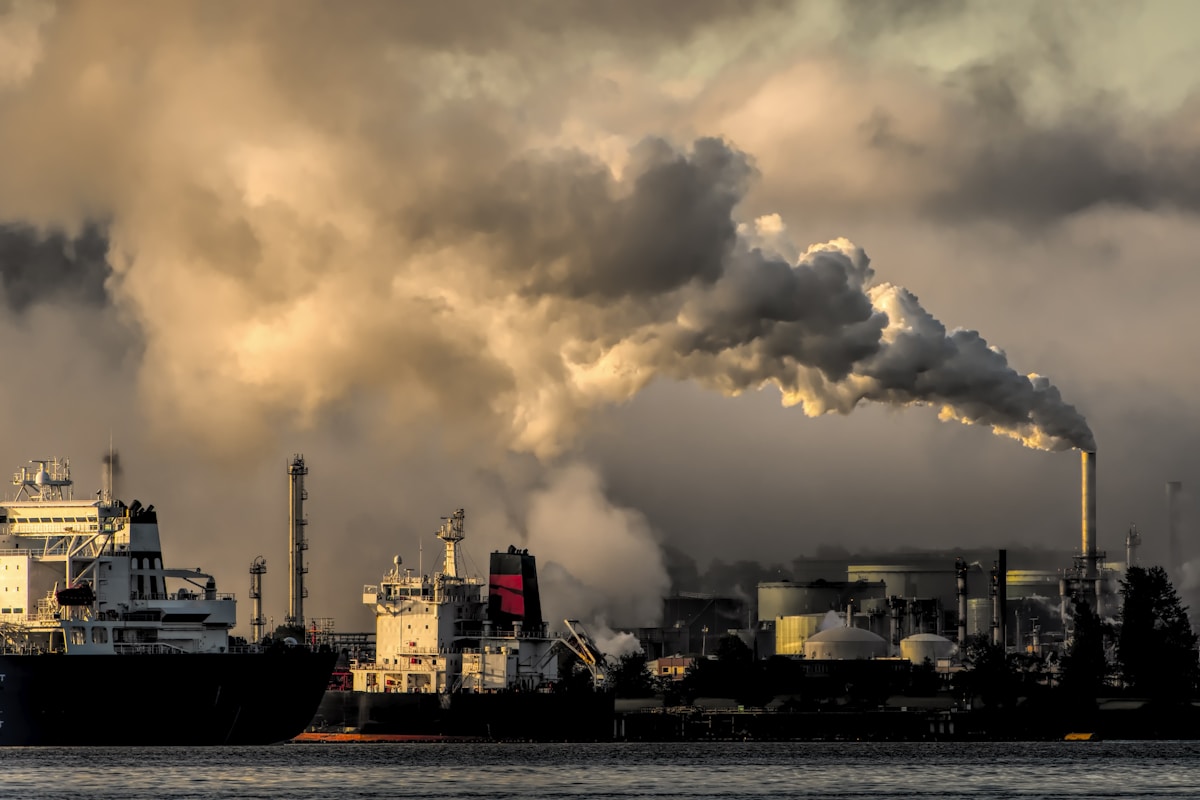

A proposed hyperscale data center near Utah's shrinking Great Salt Lake could generate a massive heat island effect, compounding environmental stress on an ecosystem already facing climate-driven collapse.
The facility, described by the Salt Lake Tribune as far worse than initially anticipated, would release enormous amounts of waste heat into an area experiencing severe ecological degradation. The Great Salt Lake has lost nearly two-thirds of its water volume since the 1980s, exposing toxic lakebed sediments and threatening migratory bird populations.
Heat island effects occur when industrial facilities, buildings, and infrastructure concentrate thermal energy in localized areas, raising ambient temperatures significantly above surrounding regions. While commonly associated with urban development, large data centers can create similar phenomena through their massive cooling systems and waste heat discharge.
The proposed Utah facility would rank among the world's largest data centers—designed to support AI model training and cloud computing operations that generate extraordinary computational heat. That heat must be dissipated through cooling towers, chillers, or direct air systems, all of which transfer thermal energy into the surrounding environment.
For the Great Salt Lake, already stressed by drought, upstream water diversions, and rising temperatures, additional localized heating could accelerate evaporation and ecosystem damage. The lake functions as critical habitat for millions of migratory birds and supports brine shrimp populations that anchor the regional food web.
In climate policy, as across environmental challenges, urgency must meet solutions—science demands action, but despair achieves nothing. The Utah case demonstrates how infrastructure decisions can either compound or mitigate existing environmental crises.
Environmental scientists warn that the lake has reached tipping point conditions. Further volume reduction could expose millions of acres of contaminated lakebed containing arsenic, mercury, and other heavy metals deposited over decades of mining and industrial activity. These toxic dust storms would threaten the health of 2.5 million people living in the Salt Lake City metropolitan area.
The data center proposal arrives as Utah lawmakers and water managers struggle to develop strategies for saving the lake. Legislation to reduce agricultural water consumption—which accounts for the vast majority of upstream diversions—faces resistance from farming interests. Meanwhile, climate change continues driving regional temperature increases and reducing snowpack that feeds the lake.
Proponents of the data center emphasize economic benefits: construction jobs, tax revenue, and positioning Utah as a technology hub. These arguments echo development patterns across the American West, where water-intensive industries have historically promised prosperity while depleting finite resources.
Yet the math increasingly doesn't work. The Great Salt Lake isn't just an environmental issue—it's an economic one. Studies suggest lake collapse could cost the regional economy $2.5 billion annually through lost snow and recreation, reduced property values, and health impacts from dust storms.
Some technology companies have begun acknowledging these tradeoffs, with commitments to water-positive operations or investments in ecosystem restoration. But individual corporate pledges don't address systemic questions about whether certain regions can sustainably host water and energy-intensive facilities at all.
Alternatives exist. Data centers can locate in regions with water abundance and renewable energy. Cooling technologies continue improving efficiency. Distributed computing architectures can reduce the need for massive centralized facilities. The challenge isn't technical—it's political and economic.
Environmental justice advocates emphasize that communities deserve more than the choice between economic development and ecosystem survival. That false dichotomy benefits only those prioritizing short-term profits over long-term sustainability.
The Utah decision will test whether states can balance technology infrastructure needs with environmental limits. For the Great Salt Lake, running out of time to experiment, the answer matters urgently.