
Sir David Attenborough turned 100 on May 8, 2026, reaching a milestone that few ever achieve—and doing so as conservation's most influential communicator. For nearly a century, the broadcaster and naturalist has shaped how billions of people understand the natural world, transforming weekend nature documentaries into shared cultural rituals and wonder into the foundation for planetary stewardship.
In a tribute published in TIME, Prince Harry emphasized how Attenborough systematically dismantled the notion that climate issues are distant abstractions. His work has helped audiences connect environmental systems—glaciers, forests, rivers—to their own communities. "His voice has been the soft soundtrack of the home—a shared experience that turned the weekend nature documentary into a national ritual," the tribute noted.
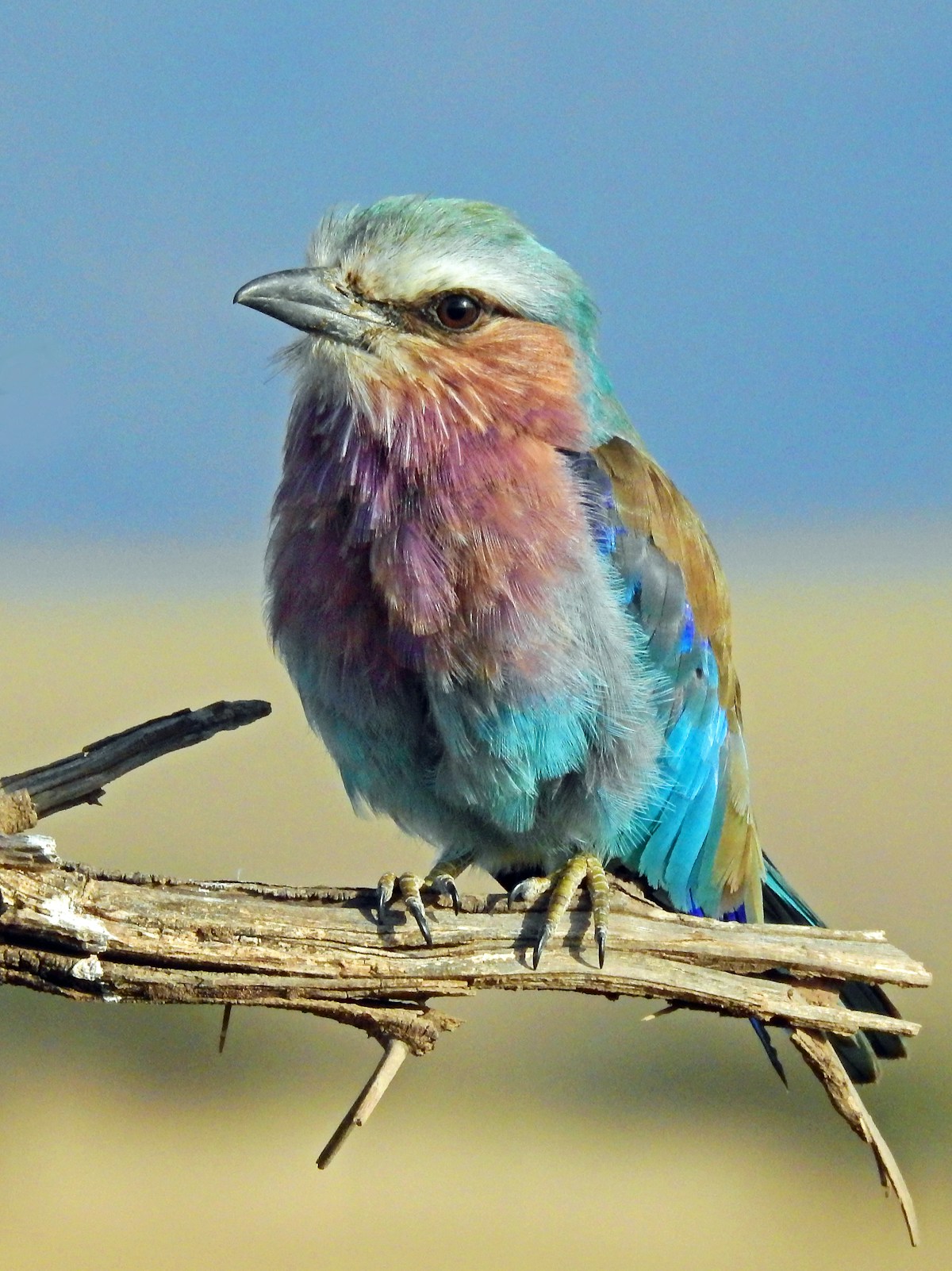
The secret to Attenborough's extraordinary influence lies in his approach: wonder as a precursor to protection. Rather than lecturing audiences about environmental collapse, he draws viewers into nature's spectacle first—the iridescent plumage of birds of paradise, the synchronized hunting of orcas, the ancient rhythms of seasonal migration. His measured demeanor and apparent absence of political agenda make his environmental warnings particularly urgent when they arrive.
Younger generations learned about extinction not through textbooks but through high-definition documentaries like Planet Earth, Blue Planet, and The Life of Birds—creating emotional connections to environmental loss that data alone could never forge. A child who watches a pangolin navigate the forest floor, narrated by Attenborough's unmistakable voice, forms a bond with that species that transcends scientific classification.
Remarkably, Attenborough has successfully adapted to modern platforms—social media and streaming services—maintaining credibility among audiences overwhelmed by noise and uncertainty. While many veteran broadcasters struggle to reach younger viewers, his documentaries continue to trend, shared widely across generations. This cross-generational reach amplifies his conservation message at a moment when unified action on biodiversity loss and climate change remains desperately needed.
The broadcaster's evolution mirrors the environmental movement itself. Early in his career, nature programming emphasized exotic spectacle and discovery. As ecological understanding deepened and threats mounted, Attenborough evolved too—providing audiences with "a map of the damage alongside a vision of what remains." He documented not just pristine wilderness but also coral bleaching, deforestation, and species decline, always balancing despair with actionable hope.
His influence on conservation communication extends beyond his own work. Attenborough established a template that countless environmental advocates now follow: lead with beauty, establish emotional connection, explain ecological relationships accessibly, then mobilize viewers toward solutions. This approach—what the TIME tribute describes as "disciplined, purposeful advocacy" rooted in "observation and the courage to remain present even when the data is disheartening"—has proven more effective than doom-laden warnings alone.
In nature, as across ecosystems, every species plays a role—and humanity's choices determine whether the web of life flourishes or frays. Attenborough's century of work reminds us that conservation succeeds when people first fall in love with what they're trying to save. His legacy isn't merely the documentaries themselves, but the millions of viewers who saw the natural world through his eyes and decided it was worth protecting.
At 100, Sir David Attenborough remains not just a broadcaster but a bridge—connecting audiences to ecosystems they'll never visit, species they'll never encounter, and a planet whose fate depends on whether wonder can still inspire action. His voice, familiar across generations, continues to call humanity toward stewardship rather than extraction, coexistence rather than dominance.
The question facing conservation now is whether the movement he helped build can sustain momentum without him—and whether today's environmental communicators can replicate the trust, wonder, and clarity that made Attenborough's voice so uniquely powerful.