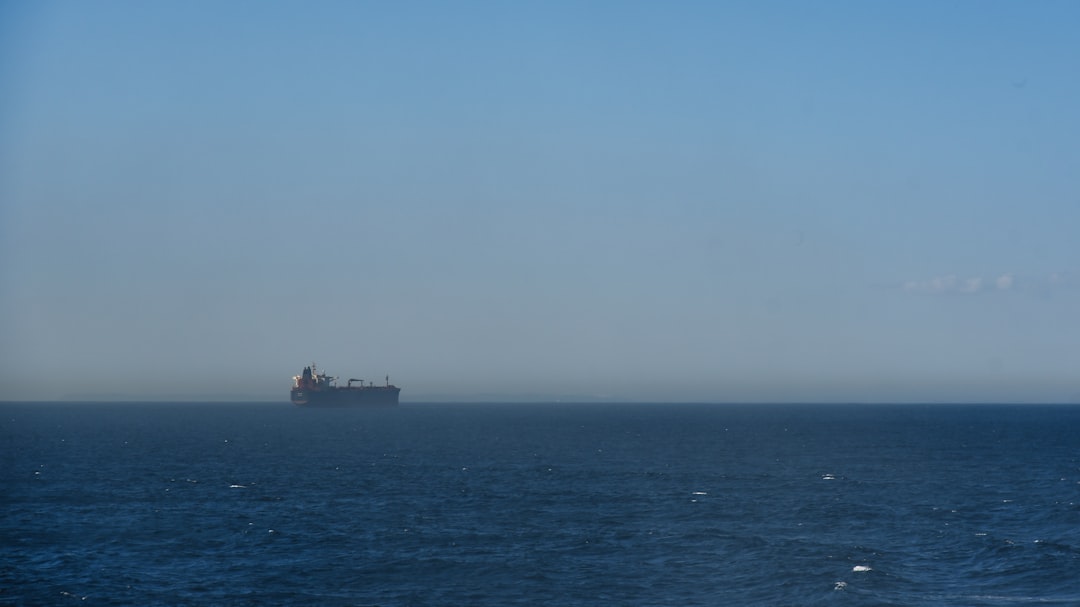
United States forces struck Iran's Kharg Island oil export terminal, targeting the Islamic Republic's primary revenue source as the two-week conflict between Washington and Tehran entered a dangerous new phase of economic warfare.
The strike on Kharg Island, announced by President Donald Trump, represents a significant escalation from military-to-military exchanges to deliberate targeting of Iran's economic infrastructure. The island's export facilities handle approximately 90 percent of Iran's crude oil exports, making it the financial lifeline of the Islamic Republic's economy.
According to Reuters, the strike comes as both sides demonstrate determination to sustain military pressure despite international calls for de-escalation. The attack on Kharg Island signals a shift from containment to systematic degradation of Iran's ability to fund military operations and regional proxy networks.
Located in the Persian Gulf, Kharg Island serves as the collection point for oil from Iran's southwestern fields, with massive storage tanks and loading facilities capable of servicing the world's largest tankers. Any disruption to operations threatens Iran's already sanctions-constrained oil revenues, which fund everything from domestic subsidies to support for Hezbollah in Lebanon and Houthi forces in Yemen.
The strike represents calculated economic strangulation, directly challenging Tehran's ability to sustain both military operations and basic governance functions. With oil revenues accounting for a substantial portion of government income, damage to Kharg facilities forces impossible choices between military expenditures, social programs, and proxy support.
In Iran, as across revolutionary states, the tension between ideological rigidity and pragmatic necessity shapes all policy—domestic and foreign. The targeting of tests that balance, pressuring Tehran to choose between escalating militarily at risk of economic collapse or accepting de-escalation from a weakened position.