
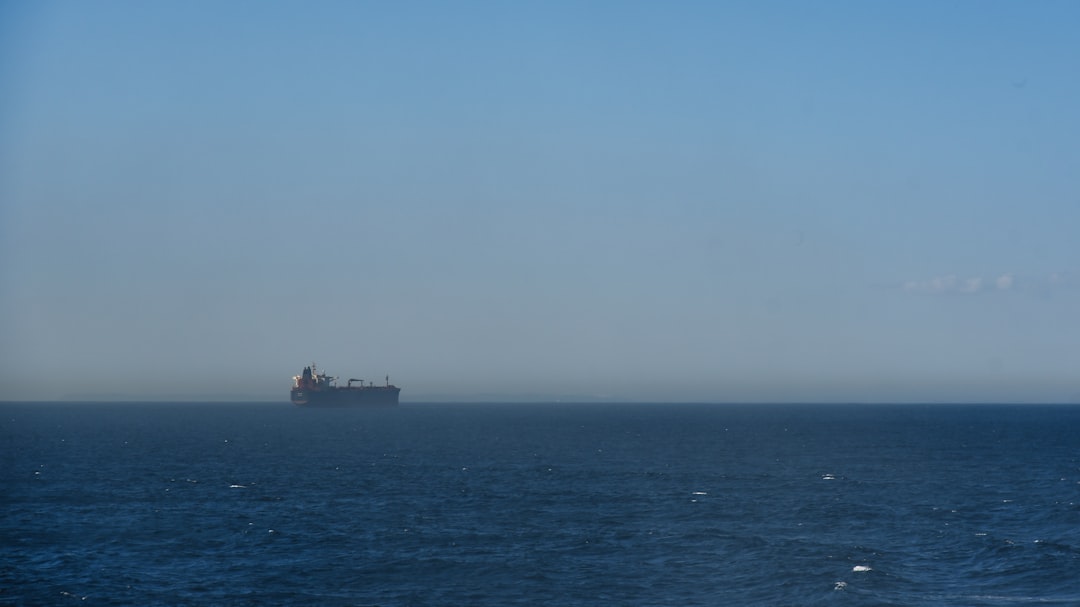
South Korea is investigating a suspected attack after the HMM Namu cargo ship erupted in flames at anchor in the Strait of Hormuz, plunging Seoul into the center of escalating Middle East tensions and renewed US pressure to join a military coalition against Iran.
The explosion struck the vessel's engine room around 8:40 p.m. local time on May 4, while anchored off Umm Al Quwain in UAE waters. All 24 crew members—six South Korean nationals and 18 foreign workers—escaped unharmed, but the incident has ignited fierce debate in Seoul over South Korea's role in a conflict thousands of miles from the Korean Peninsula.
According to SOFX reporting, President Donald Trump immediately attributed the strike to Iran via Truth Social, declaring, "Iran has taken some shots at unrelated Nations...Perhaps it's time for South Korea to come and join the mission!" He referenced Project Freedom, a US Navy escort operation protecting neutral vessels through the strategic waterway.
The timing couldn't be more awkward for Seoul. With 26 additional South Korean-flagged vessels currently stranded in the strait, the government faces immediate pressure to protect its commercial shipping fleet—which carries energy imports vital to Korea's manufacturing economy—while navigating competing geopolitical pressures.
South Korea's foreign ministry issued a carefully calibrated response, confirming only that it would "communicate closely with relevant countries" and ensure vessel safety. The statement reflects Seoul's perpetual balancing act: maintaining the US alliance while avoiding entanglement in conflicts that could jeopardize trade relationships with Middle Eastern energy exporters.
The HMM Namu incident reveals the expanding vulnerabilities of Korea's export-dependent economy. As a Panama-flagged but Korean-operated vessel, the ship exemplifies the complex ownership structures that dominate global shipping—structures that offer legal flexibility but also expose Korean commercial interests to geopolitical crossfire far from home.