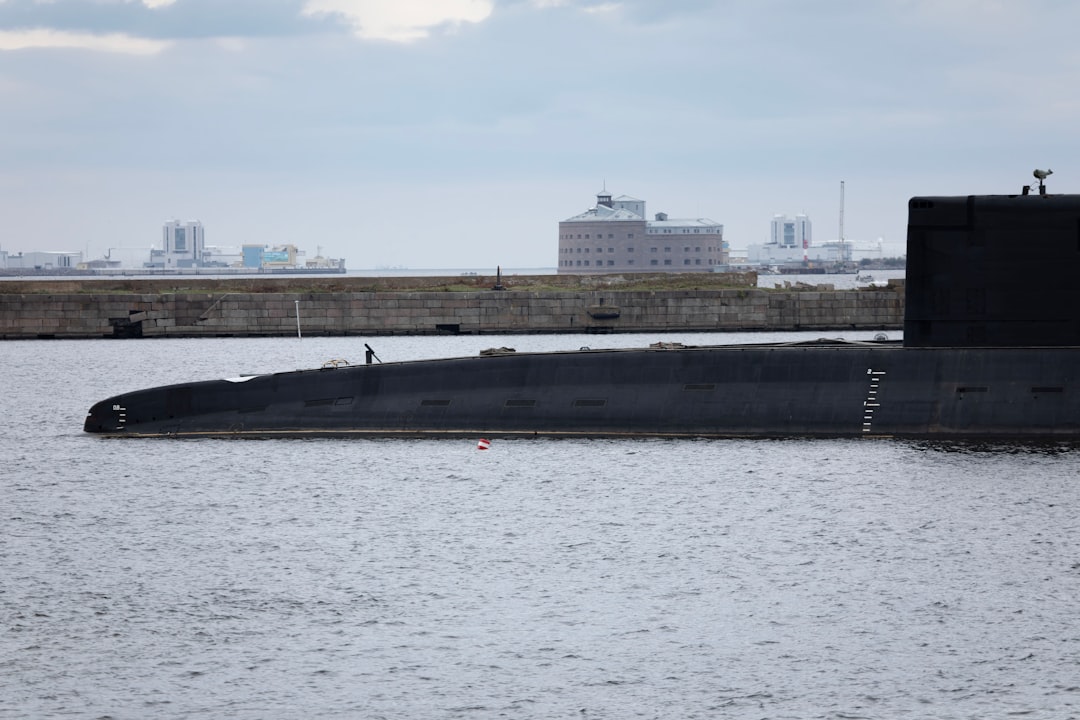
Washington is seeking to normalize relations with Eritrea and lift sanctions against the reclusive Horn of Africa nation, in what analysts describe as the latest chapter in great power competition for influence along one of the world's most strategic waterways.
The proposed diplomatic reset comes as China, Russia, and Gulf states have deepened their presence in the Red Sea region, where Eritrea's long coastline and deep-water ports offer crucial maritime access.
"This is not about Eritrea's domestic situation," says Dr. Mehari Taddele Maru, a Horn of Africa security expert at the University of Cape Town. "This is about Washington realizing it cannot afford to be absent from a region where everyone else is present."
The United States imposed sanctions on Eritrea over human rights concerns and the country's involvement in regional conflicts. But the strategic calculus has shifted. China operates its only overseas military base in neighboring Djibouti, while Gulf states have secured port deals across the region. Russia has reportedly explored naval access agreements.
Eritrea's President Isaias Afwerki has maintained tight control over the nation of 3.6 million since independence in 1993, earning it descriptions as the "North Korea of Africa" in Western media. But such framing obscures the country's complex geopolitical position and agency.
"Eritrea has leveraged its strategic location brilliantly," notes , who studies the Horn of Africa at .