
Indonesia's deepening defense cooperation with Turkey has elevated a domestic conglomerate called Republikorp into a central role in the country's military modernization program, raising transparency questions about how private firms secure positions in strategic weapons acquisitions.
According to reporting by CNBC Indonesia, Republikorp has emerged as the primary Indonesian partner in multiple high-value defense projects involving Turkish manufacturers, spanning armored vehicles, naval vessels, and potentially combat aircraft.
The conglomerate's involvement reflects Indonesia's strategic pivot toward diversifying military suppliers beyond traditional Western sources. Turkey has positioned itself as an attractive alternative, offering modern weapons systems with fewer political conditions and greater willingness to engage in technology transfer and local production arrangements.
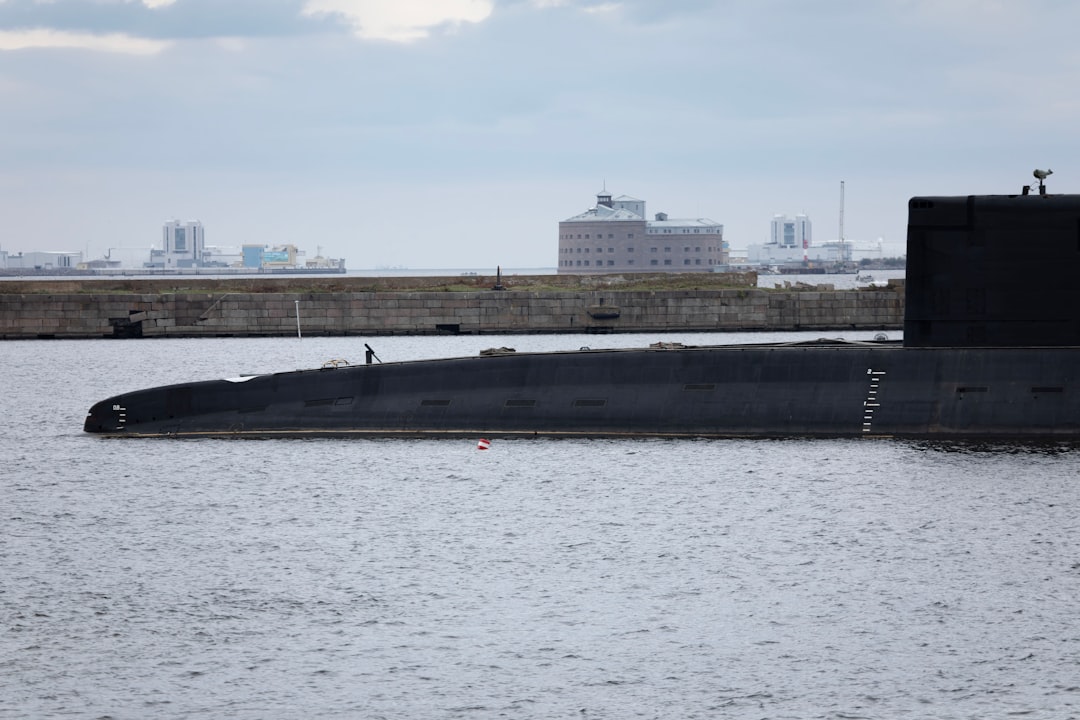
Republikorp's role encompasses serving as local partner, systems integrator, and in some cases co-producer for Turkish defense platforms being acquired by the Indonesian military. This includes involvement in the procurement of Turkey's Pindad medium tank program and potential participation in naval vessel construction at Indonesian shipyards.
The arrangement mirrors patterns in other Southeast Asian nations, where governments increasingly prefer defense partnerships that include domestic industrial participation rather than simple purchases of finished systems. For Indonesia, this aligns with long-standing aspirations to develop indigenous defense manufacturing capabilities while reducing dependence on any single supplier.
Yet the concentration of multiple major defense programs through a single conglomerate raises questions about competitive procurement processes and potential conflicts of interest. Defense analysts note that transparency in Indonesian military acquisitions has historically been limited, with key decisions often made through government-to-government arrangements that bypass standard competitive bidding.
Republikorp's emergence comes as Indonesia navigates a complex geopolitical environment in the Indo-Pacific. While maintaining its traditional non-aligned foreign policy stance, Jakarta has sought to modernize military capabilities amid regional tensions over maritime boundaries and the South China Sea.
The partnership with Turkey offers several advantages for Indonesia's defense establishment. Turkish manufacturers have proven willing to accept Indonesian palm oil and other commodities as partial payment, easing foreign exchange pressures. They've also demonstrated greater flexibility on technology transfer than Western suppliers traditionally have.
For Turkey, Indonesia represents both a significant export market and a strategic partner in Muslim-majority democracies. Turkish President Recep Tayyip Erdoğan has cultivated close relationships with Indonesian leaders, framing bilateral cooperation as part of broader solidarity among Islamic nations.
However, defense experts caution that Indonesia's diversification strategy brings its own challenges. Maintaining equipment from multiple suppliers with different standards and logistics chains can complicate military readiness. Questions also persist about the combat-proven performance of some Turkish weapons systems compared to established Western or Russian platforms.
The scale of Republikorp's involvement suggests the company has secured substantial political backing at senior levels of Indonesia's defense and political establishment. Yet public information about the conglomerate's ownership structure, previous experience in defense manufacturing, and selection process remains limited.
In Indonesia, as across archipelagic democracies, unity in diversity requires constant negotiation across islands, ethnicities, and beliefs. The country's defense modernization intersects with broader debates about industrial policy, corruption prevention, and maintaining strategic autonomy in an increasingly contested region.
Civil society groups have called for greater parliamentary oversight of major defense acquisitions and clearer disclosure of the commercial arrangements linking Indonesian firms to foreign suppliers. Whether such transparency mechanisms will emerge remains uncertain as Indonesia continues expanding its defense industrial base through partnerships with Turkey and other non-traditional suppliers.
The Indonesian Defense Ministry did not respond to questions about Republikorp's role in Turkish weapons programs by publication time. The conglomerate's profile in the country's defense modernization appears set to grow as additional procurement programs advance through coming years.