
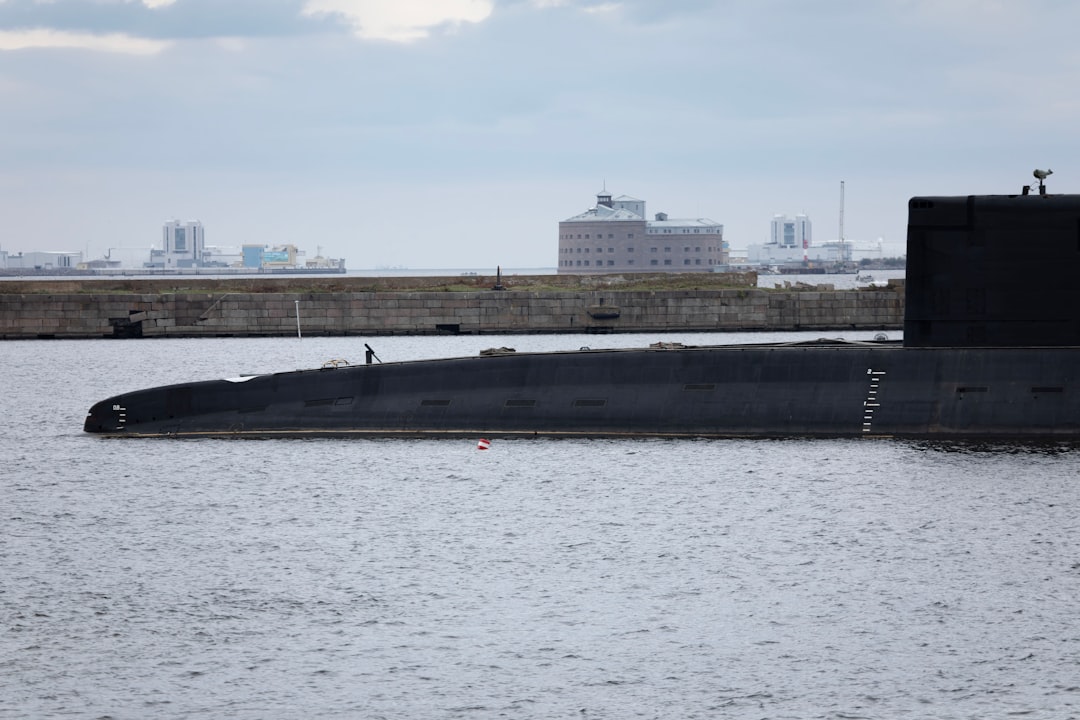
Japan and the Philippines have reiterated joint alarm over China's actions in disputed waters, signaling deeper security coordination between Tokyo and Manila as both nations navigate intensifying pressure from Beijing in the South China Sea.
According to recent statements captured in regional media coverage, both countries expressed concern over what they characterize as aggressive Chinese maritime activities, particularly around contested features including Second Thomas Shoal (known as Ayungin Shoal in the Philippines), where Philippine forces maintain a grounded naval vessel.
The coordination represents a significant evolution in ASEAN regional security architecture, with the Philippines - traditionally a U.S. treaty ally - deepening defense ties with Japan, which itself is expanding its regional security role beyond its post-World War II pacifist constraints.
Ten countries, 700 million people, one region - and increasingly, security decisions are made as much in Tokyo and Washington as within ASEAN's consensus-driven forums.
For the Philippines, the Japan partnership offers technological and logistical support that complements its Mutual Defense Treaty with the United States. Tokyo has pledged billions in maritime security assistance to Manila, including patrol vessels and radar systems designed to enhance the Philippine Coast Guard's surveillance capabilities across its vast maritime domain.
Japan's motivation is partly economic - approximately $500 billion in annual Japanese trade transits the South China Sea - but increasingly strategic. Tokyo views the Philippines as a critical partner in maintaining freedom of navigation in waters that connect Japan to Southeast Asian manufacturing hubs and energy supplies from the Middle East.
The intensifying Japan-Philippines coordination also reflects the limits of ASEAN's approach to the South China Sea dispute. While the ten-member bloc has spent years negotiating a Code of Conduct with China, progress remains slow, and several ASEAN members - particularly Cambodia and Laos - maintain close economic and political ties to Beijing that complicate unified positions.
This has pushed directly affected claimant states like the Philippines and Vietnam to pursue bilateral security partnerships outside ASEAN frameworks. Vietnam has similarly deepened defense cooperation with Japan, India, and the United States, while maintaining its formal non-aligned status.
For China, the Japan-Philippines coordination represents exactly the kind of external interference in regional affairs that Beijing has long warned against. Chinese officials routinely characterize such partnerships as attempts to contain China's rise and undermine regional stability.
The South China Sea dispute centers on overlapping claims to islands, reefs, and maritime zones containing significant fishing grounds and potential oil and gas reserves. China claims historic rights to roughly 90% of the sea based on its "nine-dash line," a claim that a 2016 international tribunal ruled had no legal basis. Beijing has rejected the ruling.
Recent tensions have escalated around Philippine resupply missions to Second Thomas Shoal, where Chinese coast guard and maritime militia vessels have used water cannons and aggressive maneuvers against Philippine boats attempting to provision troops stationed on the grounded BRP Sierra Madre.
The incidents have triggered the U.S.-Philippines Mutual Defense Treaty's mutual defense provisions in principle, though both Washington and Manila have sought to avoid outright military confrontation while maintaining pressure on China to respect international law.
For ASEAN, the dynamic poses fundamental questions about the bloc's relevance in hard security matters. While ASEAN centrality remains a diplomatic principle, the reality of major power competition increasingly operates through bilateral and "minilateral" arrangements that sidestep the consensus requirements that have long defined the regional architecture.