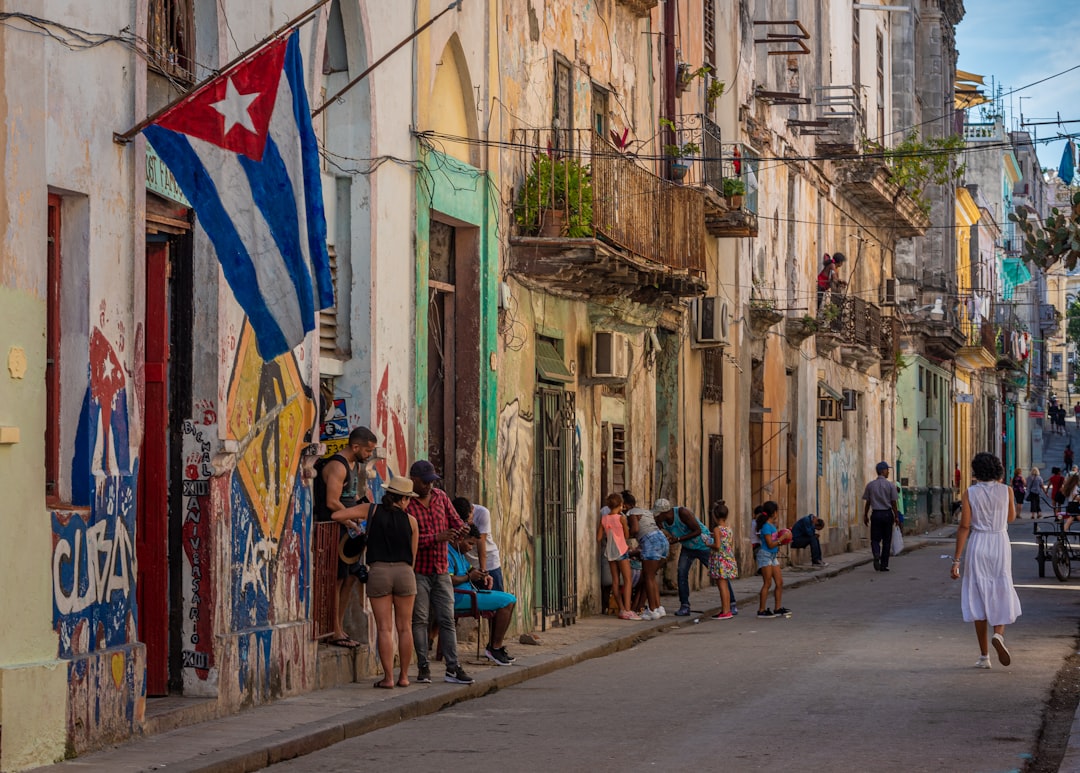
The United States is preparing to indict Raúl Castro, the former Cuban leader who governed the island nation for nearly a decade, according to CBS News citing government officials. The unprecedented move represents the first time American prosecutors have sought criminal charges against a former Cuban head of state.
Officials familiar with the matter said the indictment is being prepared by federal prosecutors, though the specific charges have not been publicly disclosed. Castro, now 93, succeeded his brother Fidel Castro as Cuban president in 2008 and served until 2018, when he transferred power to Miguel Díaz-Canel. He retained significant influence as First Secretary of the Communist Party until 2021.
The timing of the indictment comes amid escalating tensions between Washington and Havana. Cuba is currently experiencing its worst energy crisis in decades, with the government announcing this week that the nation has completely run out of fuel. Cuban officials have blamed American sanctions for the crisis, though analysts point to systemic economic mismanagement and aging infrastructure.
To understand today's headlines, we must look at yesterday's decisions. The legal precedent for indicting a former foreign leader is complex and rarely invoked. The United States has historically pursued charges against officials from adversarial nations, including Panama's Manuel Noriega and Serbia's Slobodan Milošević, though international cooperation is typically required for enforcement.
Legal experts questioned the practical implications of the indictment. Castro remains in Cuba, which has no extradition treaty with the . The charges would effectively bar him from international travel to nations with American extradition agreements, though at his advanced age and given his limited public role, such travel appears unlikely.