Church leaders in West Papua have issued urgent warnings about an escalating conflict that they say is systematically targeting young indigenous Papuans, according to Radio New Zealand. The alarm comes amid reports of increasing casualties in one of the Pacific region's longest-running and least-reported conflicts.
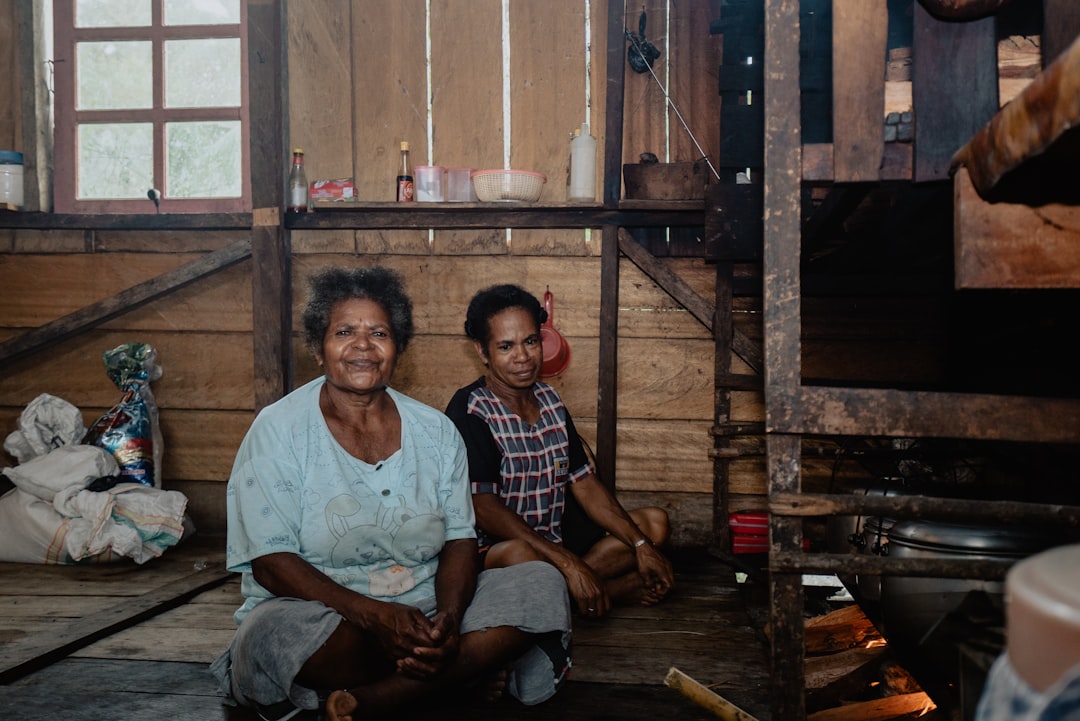
"They're wiping us out," a senior church official told reporters, describing a pattern of violence against indigenous communities in the resource-rich Indonesian provinces of Papua and West Papua. The official, speaking on condition of anonymity due to security concerns, said young Papuans were being killed in increasing numbers as the conflict between Indonesian security forces and separatist groups intensifies.
The West Papua conflict has its roots in Indonesia's 1969 annexation of the former Dutch colony, an incorporation that many Papuans contest as illegitimate. For more than five decades, a low-level insurgency has simmered, periodically flaring into violence that affects civilian populations. The region's indigenous Melanesian population has long sought greater autonomy or independence from Jakarta.
To understand today's headlines, we must look at yesterday's decisions. International attention to West Papua has been limited, with Indonesia restricting foreign journalist access to the provinces. Human rights organizations have documented allegations of abuses by both Indonesian security forces and armed separatist groups, though independent verification is difficult given the access restrictions.
The church has historically played a mediating role in West Papua, with Christian religious leaders often serving as the only trusted intermediaries between communities and government authorities. The current warnings suggest the situation has deteriorated beyond the church's capacity to provide protection or facilitate dialogue.
Indigenous Papuans comprise a minority in their ancestral homeland, with decades of transmigration programs bringing Indonesian settlers from other islands. The demographic shift has exacerbated tensions over land rights, resource exploitation, and political representation. West Papua contains significant natural resources, including one of the world's largest gold and copper mines.
Indonesian officials have characterized the conflict as a security operation against armed separatists who they accuse of attacks on civilians and infrastructure. The government has implemented infrastructure development programs intended to improve conditions in the provinces, though critics argue these efforts have primarily benefited non-Papuan populations.
The international community has largely remained silent on West Papua, with Indonesia's strategic importance and economic weight discouraging diplomatic pressure. Pacific Island nations have periodically raised the issue at international forums, but substantive action has been limited. The church leaders' warnings represent one of the few windows into a conflict that continues far from international scrutiny.