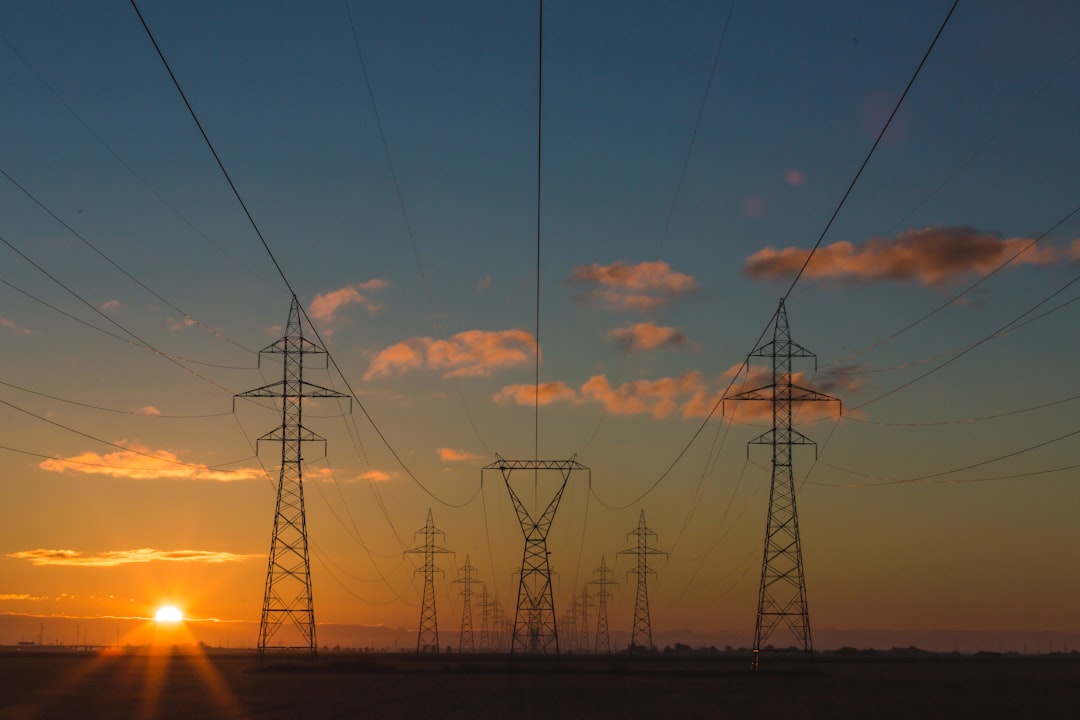
Cuba announced Wednesday that the nation has completely exhausted its fuel reserves, triggering widespread blackouts across the island as the country's aging power grid collapsed under the strain. The Cuban government blamed the United States embargo for the crisis, though energy experts point to decades of infrastructure neglect and economic mismanagement.
According to UPI, Cuban officials said oil reserves had been "totally drained" and that the eastern provinces were plunged into a major blackout after the national grid failed. The collapse left millions without electricity in what authorities described as the most severe energy crisis since the "Special Period" economic depression of the 1990s.
The power grid failure compounds Cuba's ongoing economic difficulties. The island nation has struggled for years with fuel shortages, but the complete depletion of reserves represents a new low in the country's energy security. State media reported that emergency measures had been implemented, though officials provided few details about plans to restore power.
To understand today's headlines, we must look at yesterday's decisions. Cuba's energy infrastructure dates largely from the Soviet era, with much of the generating capacity and distribution network operating well beyond its designed lifespan. Attempts at modernization have been hampered by limited investment capital and restricted access to international markets due to American sanctions.
Cuban officials have consistently blamed the American embargo for the country's economic woes, arguing that sanctions prevent Cuba from accessing fuel markets and financing for infrastructure upgrades. The U.S. State Department counters that the embargo includes exemptions for humanitarian goods and that Cuba's problems stem from the government's economic policies.
The crisis bears similarities to energy collapses I covered in Venezuela and Lebanon, where aging infrastructure combined with economic mismanagement to create cascading failures. In both cases, the humanitarian impact was severe, with prolonged blackouts affecting hospitals, water treatment facilities, and basic services.
For ordinary Cubans, the blackouts represent the latest in a series of hardships. Food shortages, medicine scarcities, and limited access to basic goods have become increasingly common. Many citizens supplement unreliable grid power with small generators or solar panels, though such equipment remains expensive and difficult to obtain.
International aid organizations have expressed concern about the humanitarian implications of the power crisis, particularly for vulnerable populations including the elderly and those requiring medical care. Cuba's healthcare system, once a source of national pride, has been severely strained by years of economic difficulty and the mass emigration of medical professionals.