
Students in the UAE seeking to begin fall semester studies in the United States face mounting uncertainty as US embassy closures across the Gulf region extend into May, threatening their ability to obtain F-1 student visas in time for July start dates.
"I really need the F1 visa soon. I should start in July," wrote one prospective student on the UAE subreddit. "Is it expected that all US embassies in the GCC remain closed throughout May?"
The question reflects growing anxiety among students who had assumed that weeks of relative calm following a ceasefire would allow embassy operations to resume normal scheduling. Instead, continued closures are creating a visa processing bottleneck during the critical spring period when fall semester students typically complete their applications.
US embassy and consulate operations across the Gulf Cooperation Council countries—including the UAE, Saudi Arabia, Qatar, Kuwait, Bahrain, and Oman—have faced disruptions due to regional security concerns stemming from escalated Middle East tensions in recent weeks.
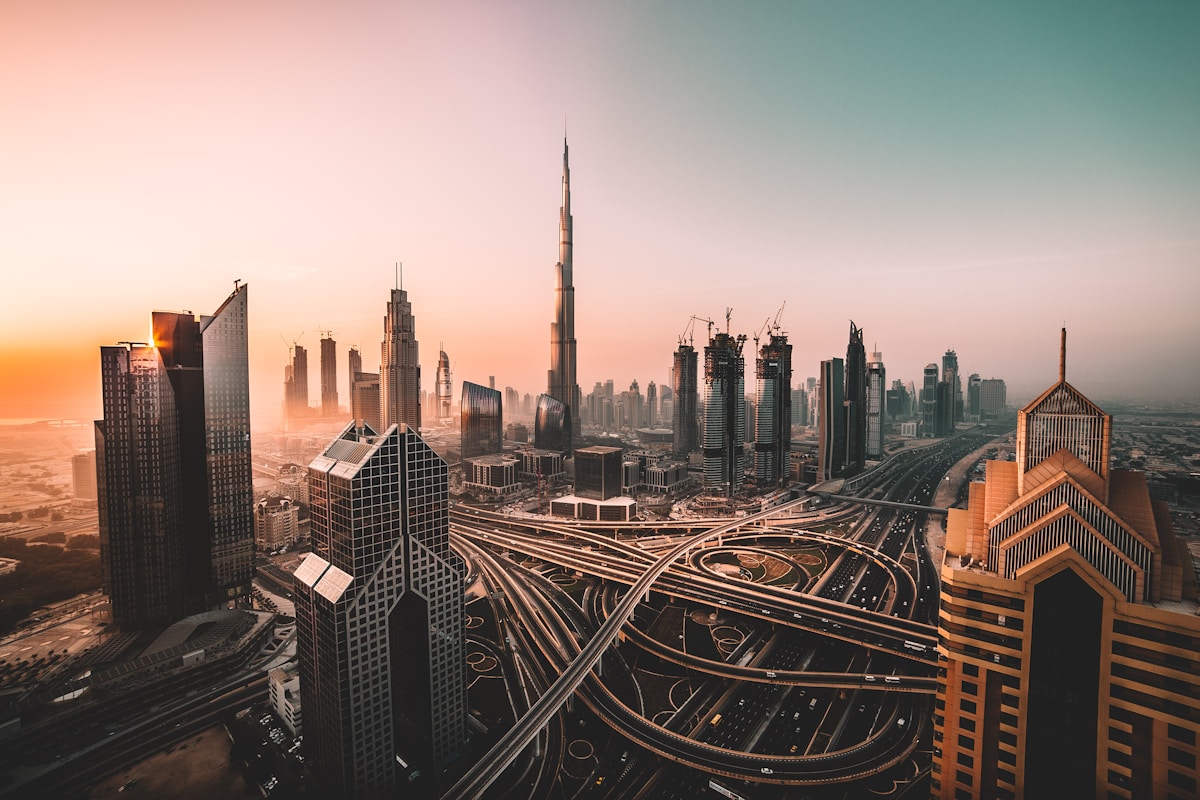
In the Emirates, as across the Gulf, ambitious visions drive rapid transformation—turning desert into global business hubs. But that transformation increasingly depends on educational pathways, with thousands of Emirati and expatriate students from the UAE pursuing higher education in the United States annually.
The UAE has historically been among the top sources of international students to US universities from the Middle East region. According to Institute of International Education data, Emirati students contribute hundreds of millions of dollars to the US economy through tuition and living expenses, while gaining expertise critical to the UAE's economic diversification goals.
F-1 student visa applications require in-person interviews at US embassies or consulates, a requirement that cannot be waived for most first-time student visa applicants. With limited alternative interview locations available in the region and embassy appointment backlogs already significant, extended closures compound the challenge.
Students facing July start dates typically need to complete visa processing by late May or early June to allow time for travel arrangements and pre-semester orientation programs. The current timeline leaves minimal margin for delays, raising the prospect that some students may need to defer enrollment to spring 2027 semester.
"We had a number of quiet weeks with ceasefire," the Reddit poster noted, expressing frustration that the diplomatic thaw has not translated into resumed consular services.
Education consultants in Dubai and Abu Dhabi report fielding increasing inquiries from concerned students and families. Some are exploring options to schedule visa interviews at US embassies in neighboring countries, though appointment availability remains limited across the region.
The situation illustrates how regional diplomatic tensions ripple through daily life even in the UAE, which has maintained relatively stable relations with the United States and has not been directly involved in recent regional conflicts. The Emirates' position as a business and education hub means its residents are particularly affected by service disruptions at Western diplomatic missions.
US State Department guidance has advised visa applicants to monitor embassy websites for updates on appointment availability, but specific timelines for resuming full consular operations have not been provided. The department typically prioritizes emergency services and citizen assistance during closure periods, with routine visa processing subject to delays.
For UAE-based students, the uncertainty extends beyond immediate visa concerns to broader questions about educational planning and career timing. Many have already paid tuition deposits, arranged housing, and made other commitments based on expected fall enrollment.
Universities in the United States have generally been accommodating regarding late arrivals or deferred enrollment, recognizing the extraordinary circumstances affecting international students from conflict-affected regions. However, deferral can complicate financial aid packages, housing arrangements, and academic sequencing for students with specific program requirements.
The situation also affects the education sector within the UAE, as some students may opt to pursue alternatives at local institutions or British universities with UAE campuses if US visa timelines become untenable. This could accelerate an existing trend toward diversification of international education destinations among Gulf students.
As the May timeline progresses without clarity on embassy reopening schedules, students and education professionals in the UAE are calling for US diplomatic services to prioritize student visa processing to minimize disruption to academic timelines and preserve educational exchange relationships.