
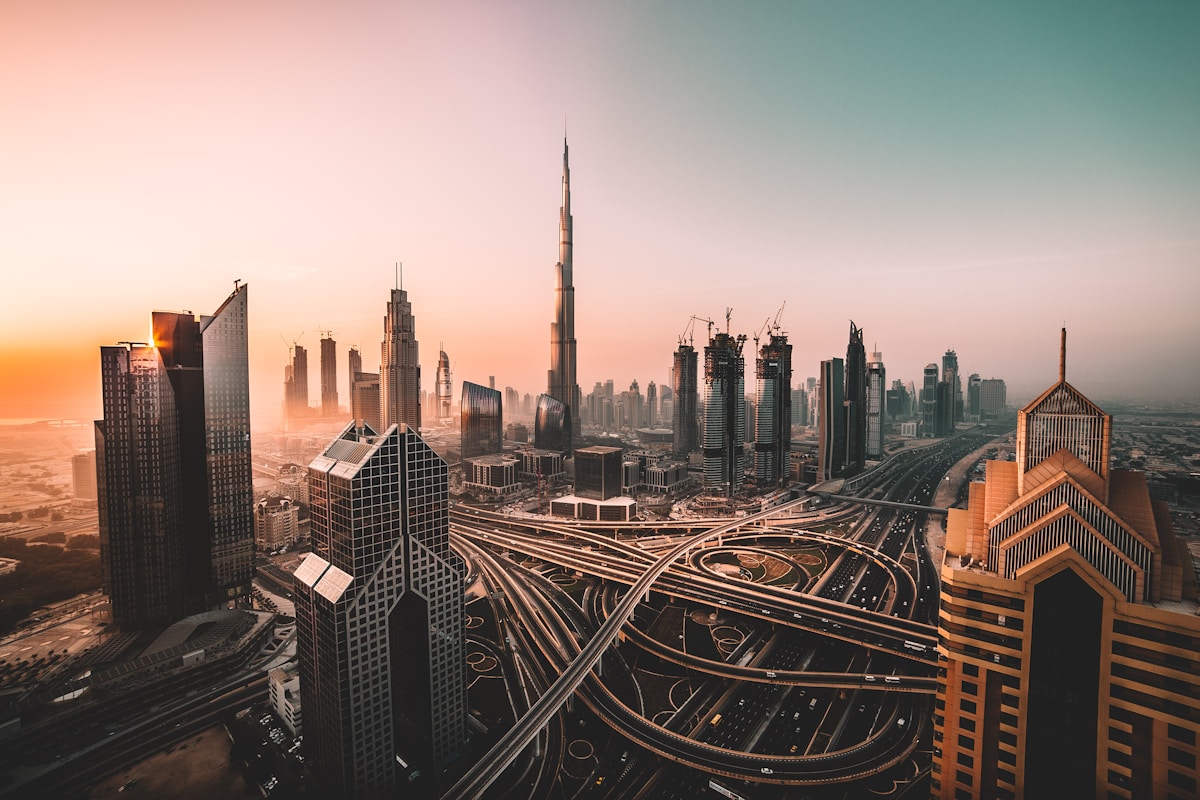
Anxiety is spreading among small-scale property investors in the UAE following a wave of deportation news circulating online, with concerns mounting that regional tensions could undermine the Emirates' reputation as a safe investment haven.
A property owner posting on the UAE subreddit described experiencing "sleepless nights" after purchasing an apartment with life savings in cash last year. The investor, who identified as belonging to a nationality facing increased deportation scrutiny, expressed fears of being forced to sell at a loss if deportations continue.
"I considered UAE as a safe haven for my investment, although with my limited funds and life savings, I purchased an apartment fully paid in cash last year," the post read. "Now I am extremely worried as I belong to a country whose citizens are being sent back without any reason."
The investor's dilemma reflects broader concerns about investor confidence in the Emirates during a period of heightened regional tensions. While the UAE has long positioned itself as a stable business environment insulated from Middle Eastern conflicts, the current geopolitical climate is testing that narrative.
In the Emirates, as across the Gulf, ambitious visions drive rapid transformation—turning desert into global business hubs. That transformation has relied heavily on attracting foreign investment and talent, with property ownership serving as a key incentive for expatriates who make up nearly 90% of the UAE's population.
The Dubai property market has been a cornerstone of the UAE's economic diversification strategy, with government initiatives like golden visas and long-term residency permits tied to property investment. Real estate investment of AED 2 million or more qualifies investors for 10-year residency visas, a program designed to provide security and attract capital.
However, the current uncertainty highlights a fundamental vulnerability in the kafala sponsorship system that governs residency across the Gulf. Property ownership does not guarantee residency status if employment or visa sponsorship is terminated, leaving investors potentially exposed despite significant financial commitments.
"If these things continue, then the remaining investor confidence would be shattered," the investor wrote, expressing concerns shared by others in online forums dedicated to UAE expatriate life.
The situation comes as Dubai property prices have shown volatility amid regional tensions. While the market saw strong growth in 2025 driven by safe-haven demand, recent geopolitical developments have introduced new uncertainties for smaller investors without diversified portfolios.
Real estate industry observers note that while large institutional investors and high-net-worth individuals may weather short-term uncertainty, smaller investors who have committed substantial personal resources face greater vulnerability. The "limited funds and life savings" scenario described in the Reddit post represents a segment of the market that could be particularly sensitive to policy changes or security concerns.
The UAE government has not issued statements addressing deportation concerns specifically related to property investors. The country's legal framework provides various residency pathways, but the discretionary nature of visa decisions leaves some investors feeling exposed during periods of regional tension.
For smaller investors facing similar dilemmas, the choice between selling at a loss during uncertain markets or waiting out potential policy changes represents a test of the UAE's long-term commitment to maintaining its reputation as a secure investment destination.
As the Emirates continues positioning itself as a regional business hub and financial center, how authorities address these investor concerns could prove significant for maintaining the confidence that has driven decades of property market growth.