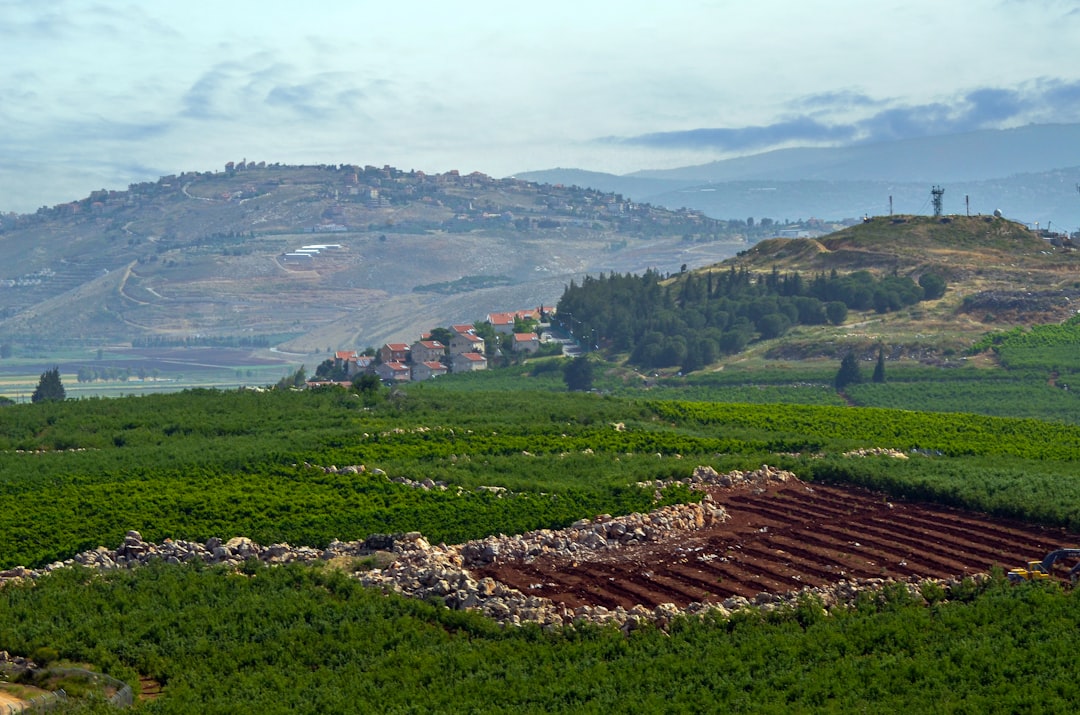
More than 17,000 farmers in southern Lebanon have been cut off from their land as the Israeli military incursion into Khiam continues to devastate the region's agricultural sector, transforming olive groves and citrus orchards into active battlefields.
Since the offensive began, over 490 million square meters—22% of Lebanon's entire agricultural land—has been damaged or destroyed, according to a report by LBC News. Of this total, 470 million square meters lie in the south, with the remainder spread across the Bekaa Valley and Mount Lebanon regions.
A farmer from Sardah, located east of the occupied Hamames area south of Khiam, has been unable to access his orchards for weeks. He is among more than 70% of southern farmers who have been forced to flee, while those who remain face danger and military restrictions that prevent them from tending their land.
In this region, today's headline is yesterday's history repeating.
The hardest-hit crops are olive and citrus trees, which form the backbone of southern Lebanese agriculture along both the coast and the highlands. These perennial crops represent not just economic assets but generational investments—trees that take years to mature and decades to reach peak production.
The destruction stems from multiple sources: artillery shelling, fires, bulldozing operations, and the spraying of toxic substances and pesticides. Phosphorus bombardment—internationally controversial due to its incendiary effects—has also been documented. Even farmers who might risk returning face land access restrictions imposed by military operations.
What is certain, according to agricultural assessments, is that Lebanon has so far avoided a broader food crisis by relying on production from the Bekaa Valley and northern regions, supplemented by imports. But the long-term economic toll remains incalculable.
Estimating recovery costs is "difficult because they are linked to developments on the ground, damage assessments, and the feasibility of rehabilitating the land," the LBC report noted. For many farmers, the question is not merely financial but existential: whether decades of agricultural work can ever be restored.
The systematic destruction of agricultural infrastructure in southern Lebanon echoes patterns seen in previous conflicts in the region, where farmland becomes collateral damage—or deliberate targets—in military campaigns. The 2006 war between Israel and Hezbollah similarly devastated southern agriculture, with recovery taking years and some land remaining unusable due to unexploded ordnance.
As for whether agricultural production in the south will recover, the LBC report concluded bluntly: "the answer lies in politics and security." Without a stable ceasefire and demilitarization of farming areas, the 17,000 farmers remain separated from their life's work, watching from a distance as another season passes without harvest.
The agricultural devastation compounds Lebanon's economic crisis, which has already seen the currency collapse and poverty rates soar above 80%. For a country where agriculture employs roughly 15% of the workforce and contributes significantly to food security, the loss of 22% of arable land represents both an immediate humanitarian concern and a long-term development setback.