Washington and Quito jointly announced a precision strike against drug trafficking infrastructure in rural Ecuador - but the target turned out to be an ordinary farm, not a cartel facility.
The airstrike, conducted as part of ongoing bilateral counter-narcotics cooperation between the United States and Ecuador, was initially presented by both governments as a successful operation against organized crime networks operating along the Ecuador-Colombia border region.
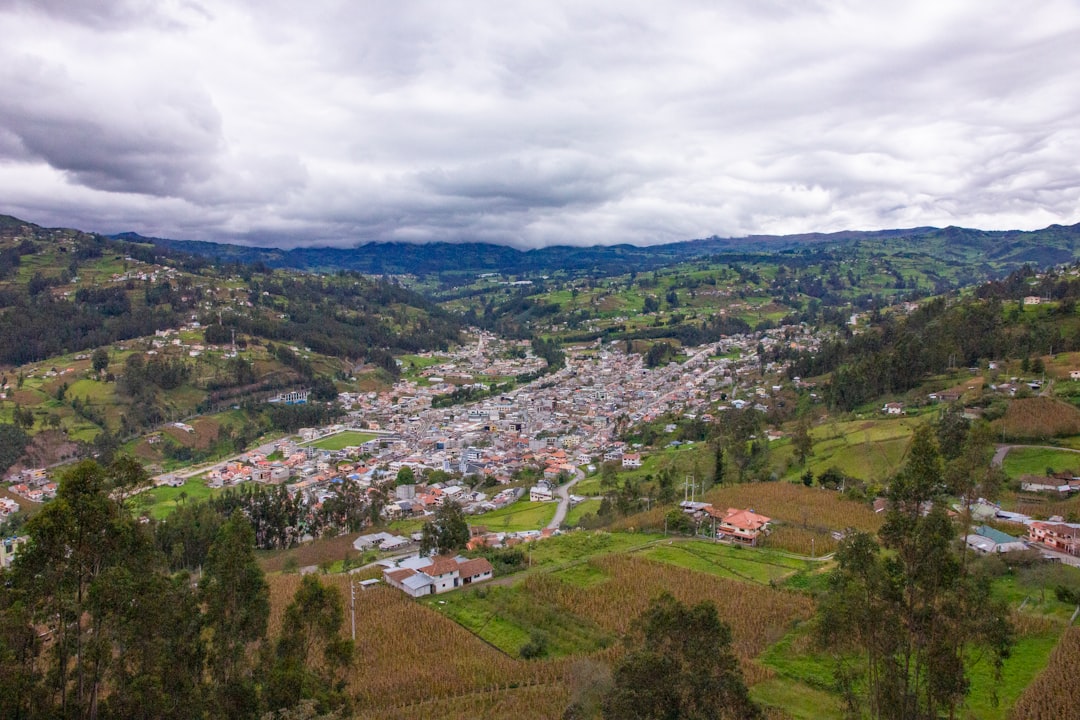
According to reporting by Folha de S.Paulo, the reality on the ground tells a very different story. The coordinates provided for the strike led military aircraft to a legitimate agricultural property, raising urgent questions about intelligence failures and targeting protocols.
This is not an isolated incident - it's the drug war's collateral damage made literal. For decades, Latin America has absorbed the costs of Washington's counter-narcotics strategy: militarized borders, displacement, extrajudicial killings disguised as combat operations, and now, apparently, farms mistaken for cocaine laboratories.
The Ecuadorian government of President Daniel Noboa has faced mounting pressure to explain how such a fundamental error occurred. Was Quito complicit in misleading the public about the operation's success? Or was Ecuador itself misled by faulty US intelligence?
Civil society organizations across Ecuador are demanding accountability. The country has seen a dramatic escalation in violence over the past two years as drug trafficking organizations battle for control of cocaine routes to Europe and the United States. Noboa has staked his presidency on restoring security, including through deepened military cooperation with Washington.
But this incident exposes the risks of that strategy. When joint operations target the wrong people - when a farm becomes a "successful strike" in official communiqués - trust erodes. Rural communities already caught between cartels and security forces now must also fear being bombed by their own government in partnership with a foreign power.
Ecuador is not Afghanistan or Yemen, yet the playbook looks disturbingly familiar: military strikes based on questionable intelligence, official narratives contradicted by facts on the ground, and civilian harm rationalized as the price of the war on drugs.
The US Southern Command, which coordinates American military operations across Latin America, has not issued a public statement addressing the targeting failure. Neither has the Ecuadorian Ministry of Defense provided clarity on the chain of command that authorized the strike or the process used to verify the target.
Twenty countries, 650 million people, and yes, we're more than your neighbor's problems. But when Washington exports its wars to our soil and our governments sign on without demanding transparency or accountability, somos nuestra propia historia becomes a question, not a declaration.
Ecuadorian civil society groups are calling for an independent investigation into the incident, full disclosure of the targeting criteria used, and compensation for any damage to the farm. They're also demanding that Ecuador renegotiate the terms of military cooperation with the United States to include stricter oversight and verification protocols.
The silence from both Quito and Washington is deafening - and telling.