Canada has officially met NATO's long-standing target of spending 2% of GDP on defence, ending years of criticism from American allies and marking a significant policy shift for a nation that has historically underfunded its military.
The milestone, confirmed by CTV News, comes as global security threats intensify and Arctic sovereignty concerns mount. The achievement represents Canada's most substantial defence investment in decades, driven by Russian aggression in Ukraine, Chinese military expansion, and climate change opening new northern shipping routes.
In Canada, as Canadians would politely insist, we're more than just America's neighbor—we're a distinct nation with our own priorities. For years, Washington pressed Ottawa to increase military spending, with former President Trump frequently singling out Canada for failing to meet NATO commitments. Prime Minister Mark Carney's government has now silenced those critics while addressing uniquely Canadian security needs.
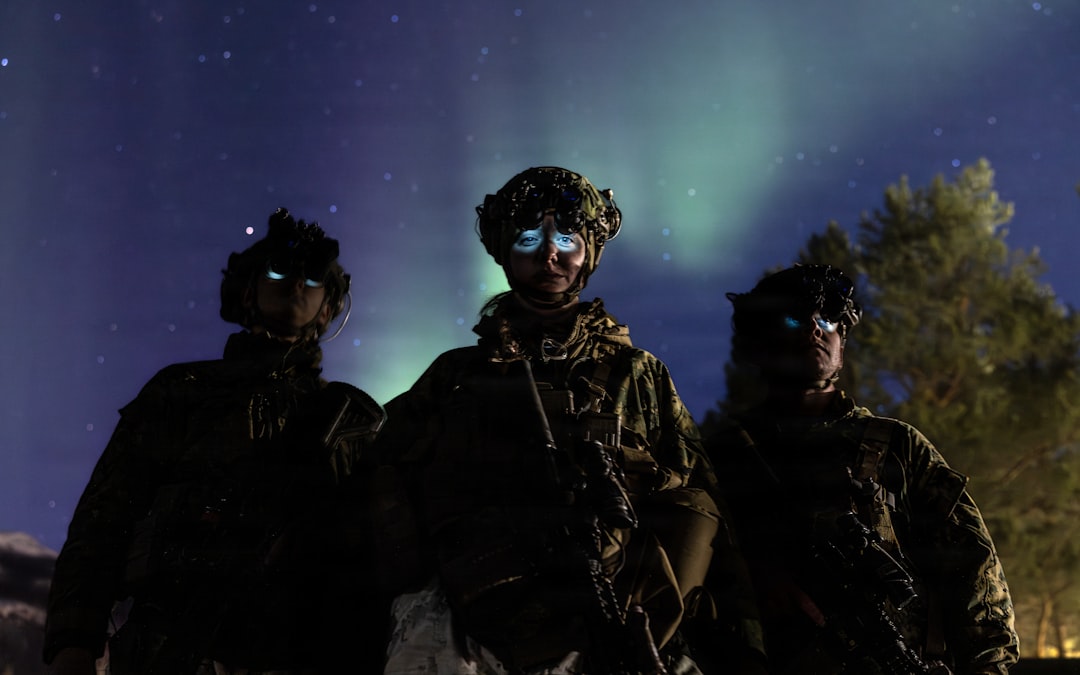
The spending increase will fund new Arctic patrol vessels, northern military bases, and upgraded equipment for the Canadian Armed Forces. Significantly, the investment includes partnerships with Indigenous communities in Canada's North, recognizing their role as "stewards of sovereignty" in the Arctic.
Provincial reactions reveal Canada's regional dynamics. Atlantic Canada welcomed shipbuilding contracts, while Western provinces questioned whether defence spending should take priority over healthcare and infrastructure. Quebec politicians emphasized that military expansion must respect provincial jurisdictions and include French-language capabilities.
Defence analysts note the 2% target represents a floor, not a ceiling. Russia's renewed Arctic activity and melting ice caps opening the Northwest Passage to year-round shipping mean Canada faces sovereignty challenges unlike any NATO ally. The United States has never recognized Canadian control over Arctic waters, creating an awkward dynamic where Ottawa must defend its northern border against both adversaries and its closest ally's legal claims.
The investment also addresses recruitment and retention crises within the Canadian Armed Forces, which have struggled to fill positions even as international commitments expand. New funding will improve compensation, housing, and support services for military families.
Critics argue that reaching 2% through accounting adjustments—including veterans' benefits and Coast Guard spending that other nations exclude—represents creative bookkeeping rather than genuine capability enhancement. However, government officials insist the funding translates to real operational improvements, not just statistical compliance.
The timing aligns with broader Canadian efforts to assert independence in foreign policy. As Canada pivots toward stronger European ties and reduces reliance on American markets, defence spending demonstrates that autonomy requires investment. You cannot be a middle power without power.
For Indigenous communities in the North, the investment brings both opportunities and concerns. While economic benefits and employment are welcome, First Nations leaders emphasize that Arctic sovereignty must include Indigenous sovereignty—recognition of traditional territories and governance rights, not just military installations on their land.
The 2% achievement marks a turning point in Canadian defence policy, ending decades of underinvestment. But meeting the target is only the beginning. The question now is whether Canada can sustain this commitment while addressing domestic priorities, or whether the 2% figure becomes a ceiling that leaves Canadian forces perpetually underprepared for the Arctic century ahead.