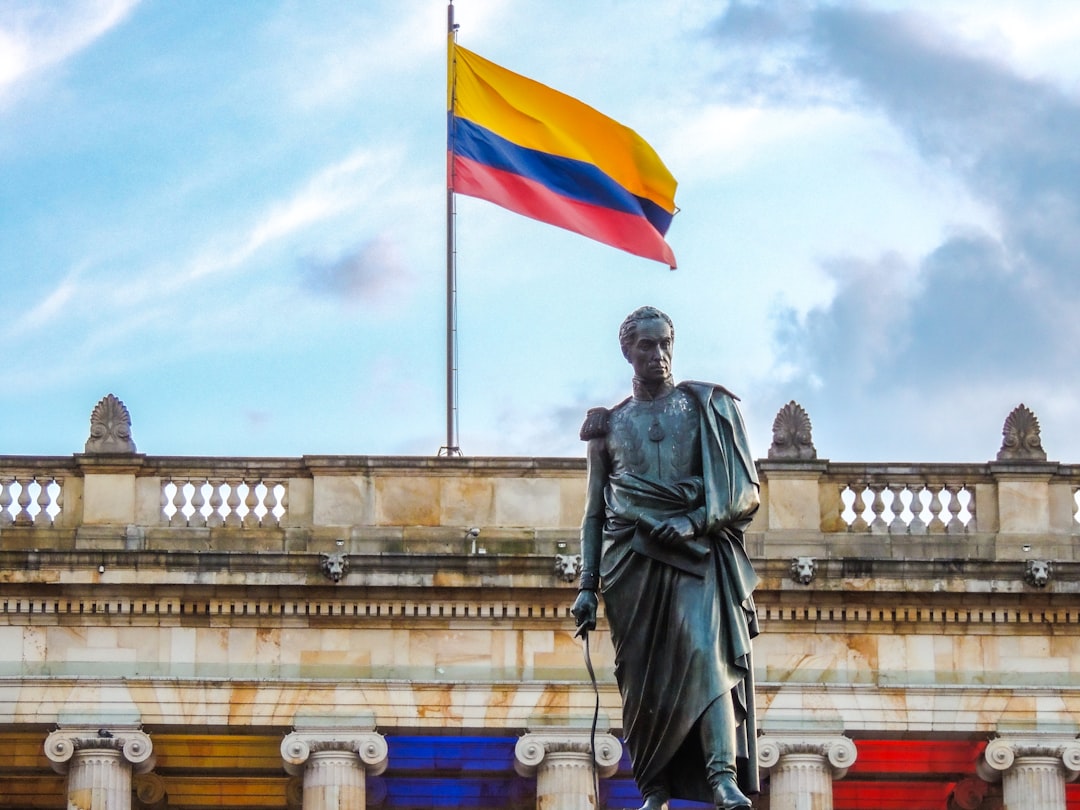
Colombia's Gustavo Petro delivered an extraordinary warning Sunday night: criminal networks, corrupt media, and establishment forces are conspiring to overthrow his government in what he's calling a "narco-coup."The leftist president, who took office as Colombia's first progressive leader in 2022, posted a video to social media outlining what he described as a coordinated campaign to destabilize his administration through a combination of narcotrafficking money, media manipulation, and political pressure."Narcotraficantes, las redes sociales, periodistas comprados de la media hegemónica, militares golpistas," Petro declared. Drug traffickers, social networks, bought journalists from the mainstream media, coup-plotting military officers - this is how they plan to bring down progressivism in Colombia.But is this a genuine threat to Colombia's fragile democracy, or political theater from a president under pressure?The claims come as Petro faces mounting challenges. His ambitious "Total Peace" negotiations with armed groups have stalled. Violence is surging - Colombia recorded its highest homicide rate in a decade in 2025, with more than 13,800 murders. And his approval ratings have dropped as economic reforms face fierce resistance from the country's powerful business elite.Colombia's establishment has never been comfortable with a former guerrilla in the presidential palace. Petro was a member of the M-19 movement in his youth, and the country's traditional political class - backed by powerful landowners, military hardliners, and conservative media - has opposed him from day one.But crying "coup" is a familiar tactic in Latin American politics. Nicolás Maduro in Venezuela has claimed foreign coups for years while crushing domestic opposition. Evo Morales in Bolivia called his 2019 ouster a coup, though he'd violated constitutional term limits. The left-wing playbook often conflates legitimate political opposition with anti-democratic plotting.Yet Colombia's history also gives Petro reason to worry. The country's narco-paramilitary structures have deep ties to political and economic elites. Paramilitary leaders have testified to funding congressional campaigns and ordering assassinations of progressive politicians. The 1989 murder of presidential candidate Luis Carlos Galán showed how far those forces will go.And the region is watching. Left-wing governments across Latin America - Lula in Brazil, López Obrador in Mexico, Gabriel Boric in Chile - have all faced institutional resistance from conservative forces unwilling to accept electoral defeats. Brazil's 2022 post-election highway blockades, backed by Bolsonaro supporters, came dangerously close to a breakdown.The question for Colombia isn't whether powerful interests oppose Petro - they clearly do. It's whether those interests are actively conspiring to overthrow him, or whether Petro is using coup rhetoric to rally his base and deflect from policy failures.What's undeniable: democracy in Latin America remains fragile, progressive governance faces extraordinary resistance, and the line between legitimate opposition and anti-democratic subversion is often blurred by those on both sides.Twenty countries, 650 million people. Colombia's crisis is nuestra propia historia - the eternal struggle between those who want to transform the region and those determined to preserve the old order, by any means necessary.
|