Ukrainian drone strikes targeting Russia's critical oil export infrastructure are delivering economic damage that exceeds the impact of Western sanctions, according to Estonian experts analyzing the campaign's strategic effectiveness.
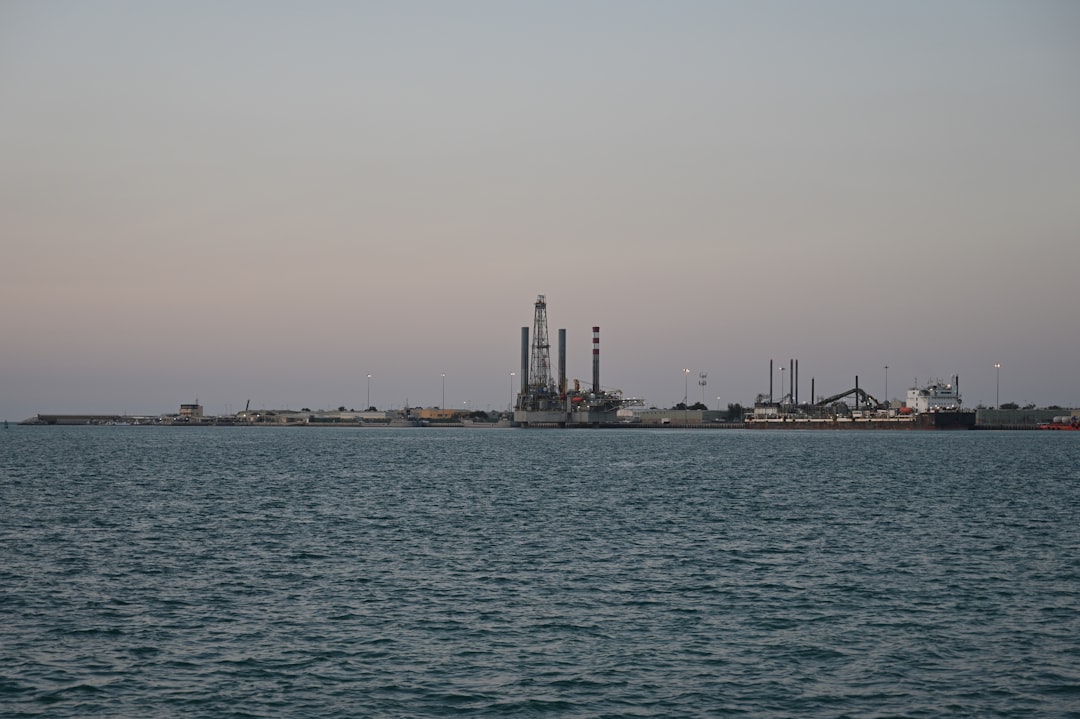
For the third consecutive day, Ukrainian forces struck the Ust-Luga oil terminal on the Baltic Sea, part of a systematic effort to disable Russia's western oil export routes. The attacks have halted over 40% of Russian oil export capacity—approximately 1.4 million barrels per day from a previous total of 3.5 million barrels exported via maritime routes.
"No sanctions have been as effective as what Ukraine is now accomplishing," Alan Vaht, energy expert and Terminal board member, told Estonian public broadcaster ERR. The campaign is inflicting daily losses of $50-55 million on the Kremlin at a time when global oil prices have risen due to tensions in the Middle East—windfall profits Russia cannot now capture.
In the Baltics, as on NATO's eastern flank, geography and history create an acute awareness of security realities. The smoke plume from burning oil facilities at Ust-Luga stretched over a thousand kilometers, visible Saturday in Estonia's northeastern regions—a reminder of how close these strategic targets lie to NATO territory.
Cascading Production Crisis
The disruption extends far beyond port closures. Economist Raivo Vare explained that Russia's inland refineries produce massive quantities of fuel oil as a byproduct. With Baltic Sea ports unable to export this material, storage facilities are rapidly filling.
"When fuel oil accumulates excessively, production stops. This prevents diesel, gasoline, and petroleum output—affecting over 50% of exports," Vare said. The bottleneck forces refineries to curtail operations, reducing fuel supplies for both civilian markets and military operations.
Ukrainian targeting has been methodical: first strikes on refineries like KINEF in Kirishi, then disruption of the southern branch of the Druzhba pipeline to Central Europe, and now systematic attacks on Baltic Sea loading infrastructure. An estimated 2.5 million barrels of oil per day are now trapped within the system, with onshore storage facilities nearing capacity.
Political Pressure on Orbán and Fico
The infrastructure crisis puts Moscow in desperate need of alternative export routes. The Druzhba pipeline through Ukraine—currently closed—represents the fastest solution to relieve systemic pressure. Analysts suggest the Kremlin is applying intense behind-the-scenes pressure on Hungary's Viktor Orbán and Slovakia's Robert Fico to compel Kyiv to reopen the pipeline.
This context helps explain recent unprecedented actions by both leaders, including blocking new EU sanctions against Russia and obstructing financial assistance to Ukraine. The pipeline reopening would provide Moscow with crucial relief from accumulating production bottlenecks.
Long-Term Damage to Production Capacity
With nowhere to send crude oil, Russia faces the prospect of shutting down Siberian wells—a move with potentially irreversible consequences. Western sanctions have restricted access to technologies required to restart such wells, meaning temporary shutdowns could become permanent production losses. Replacing specialized Western loading equipment at damaged ports will likely take months.
Vaht noted this compounds Russia's fiscal pressures: oil and gas revenues declined from €242 billion in 2022 to a projected €200 billion in 2025—an 18% drop. The Central Bank of Russia recently began liquidating physical gold reserves to cover budget shortfalls, and Ukrainian strikes deepen the liquidity crisis.
Unprecedented Workforce Dissent
In a rare display of public discontent, workers at Ust-Luga began protesting after the port closure, prompting police intervention. "Such dissent hadn't occurred before," Vare observed, suggesting the economic pain is reaching populations previously insulated from the war's costs.
The campaign represents a significant shift in Ukrainian strategy. Previously, NATO allies discouraged strikes on Russia's crude oil export capacity, fearing global price spikes. However, under changing geopolitical circumstances—and with attention diverted by US actions in Iran—this policy appears to have evolved.
For Estonia, Latvia, and Lithuania, the development reinforces a long-held view: economic pressure works when applied systematically to critical infrastructure. The three Baltic states have consistently advocated for stronger measures against Russia's war economy, drawing on their experience as former Soviet republics who understand Kremlin strategic thinking.
The strikes demonstrate that precision targeting of economic chokepoints can achieve what broad sanctions have struggled to deliver—direct, measurable damage to Russia's ability to sustain its military operations. While European nations may face higher energy costs as a result, the campaign offers a template for economic warfare that NATO's eastern flank members have long argued was necessary.