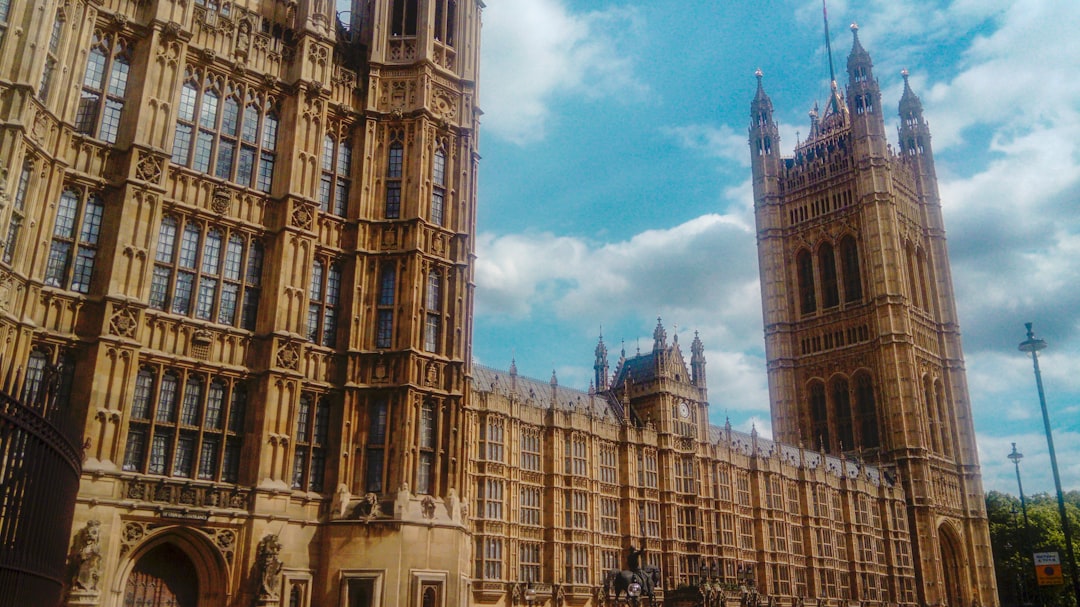
The UK government announced plans to examine requiring clear labeling of AI-generated content as part of broader copyright reforms. The move aims to combat disinformation and deepfakes while helping consumers distinguish between human and machine-created content.
This is significant because it represents a concrete regulatory approach to a problem everyone acknowledges but nobody wants to solve: how do you handle synthetic content at scale?
The UK proposal would mandate disclosure when content is AI-generated, similar to how advertisements must be labeled or sponsored content must be marked. The details are still being worked out, but the principle is transparency rather than prohibition. You can use AI to generate content, but you have to tell people you did.
Whether this actually works in practice is another question entirely.
The technical challenge is enforcement. How do you verify that content is AI-generated? Current detection tools are unreliable and easy to circumvent. Watermarking can be stripped. Metadata can be altered. Self-reporting relies on good faith compliance, which is optimistic at best.
The practical challenge is scope. Does this apply to all AI assistance or just fully autonomous generation? If I use Grammarly to fix spelling, does that need disclosure? What about AI-enhanced photos? Algorithmically generated music? The line between "AI-assisted" and "AI-generated" is blurry and getting blurrier.
Still, attempting disclosure requirements is better than pretending the problem doesn't exist. The US approach has been to debate whether AI should be regulated at all while Silicon Valley lobbies against meaningful oversight. Europe and now the UK are actually trying to implement frameworks, even if those frameworks are imperfect.
The stated rationale is combating disinformation and deepfakes. That's legitimate. We've already seen AI-generated fake news, synthetic images of politicians, and deepfake videos spread widely before being debunked. Labels won't stop bad actors, but they might create legal liability and platform accountability.
There's also a copyright angle. If AI-generated content doesn't receive the same copyright protections as human-created work, labeling becomes important for establishing ownership and rights. The is bundling this with broader copyright reforms, suggesting they're thinking about it systematically rather than as a one-off regulation.