A Swiss firm is constructing what they claim is the world's most powerful redox-flow battery to stabilize renewable energy grids. While lithium batteries grab headlines, flow batteries might be the real solution for grid-scale storage - they just don't have the marketing budget.
Let me explain why this matters and why almost nobody is covering it.
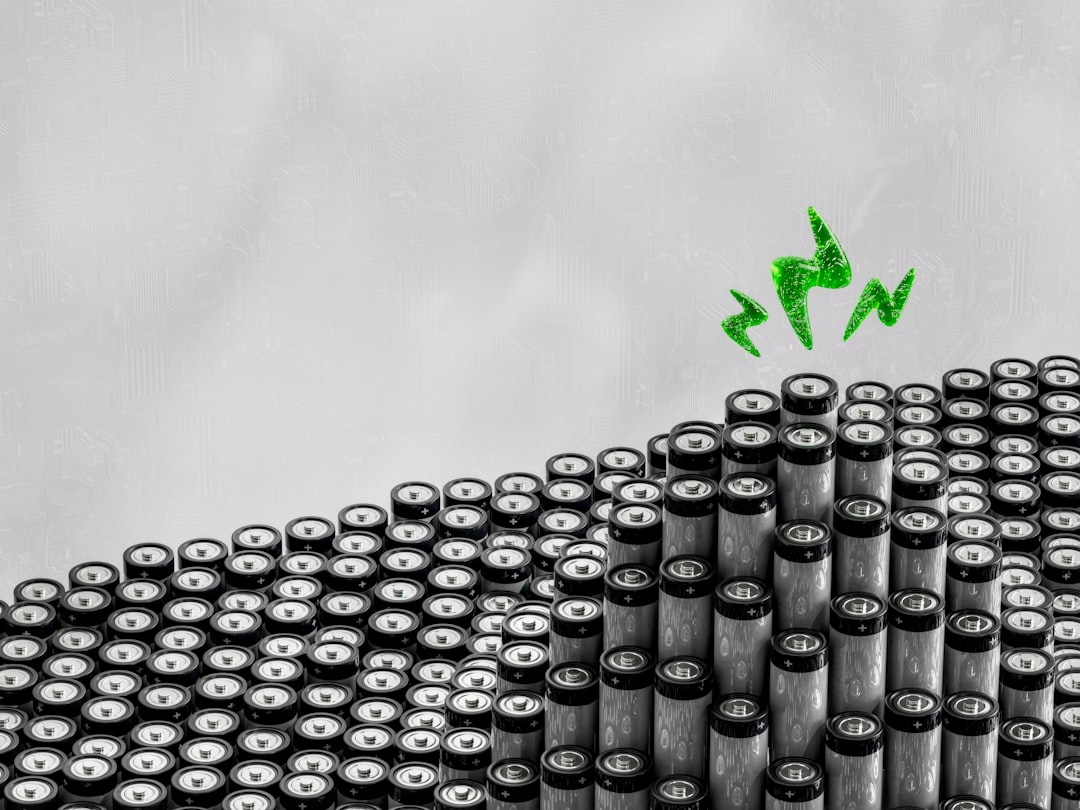
Everyone talks about lithium batteries because they power our phones, laptops, and cars. The technology is familiar. The companies making them are household names. The use cases are visible in our daily lives.
But for grid-scale energy storage - the infrastructure that makes renewable energy actually viable - lithium has serious limitations:
Degradation: Lithium batteries lose capacity with every charge cycle. For a grid battery doing daily cycles, that's a problem.
Fire risk: Lithium battery fires are spectacular and hard to extinguish. When you're storing megawatt-hours in one location, that's a real concern.
Cost at scale: Lithium works great for small batteries. At grid scale, the economics get challenging.
Resource constraints: There's only so much lithium, cobalt, and nickel available. Using it for grid storage competes with using it for vehicles.
Flow batteries solve these problems with a completely different approach. Instead of storing energy in solid electrodes, they store it in liquid electrolytes in external tanks. The bigger the tanks, the more energy you store. The power output is determined by the size of the cell stack, independent of the storage capacity.
This separation of power and energy is the key advantage. Need to store 8 hours of output from a solar farm? Just make bigger tanks. Need higher peak power? Add more cell stacks. With lithium, those two variables are coupled.
Flow batteries also:
- Don't degrade meaningfully over time - Can be cycled infinitely without capacity loss - Don't catch fire - Use more abundant materials - Can maintain full capacity for 20+ years
The Swiss project is significant because it's moving from pilot scale to commercial deployment. This is a 10+ megawatt-hour system designed to help stabilize both the Swiss and European power grids as they integrate more renewable energy.