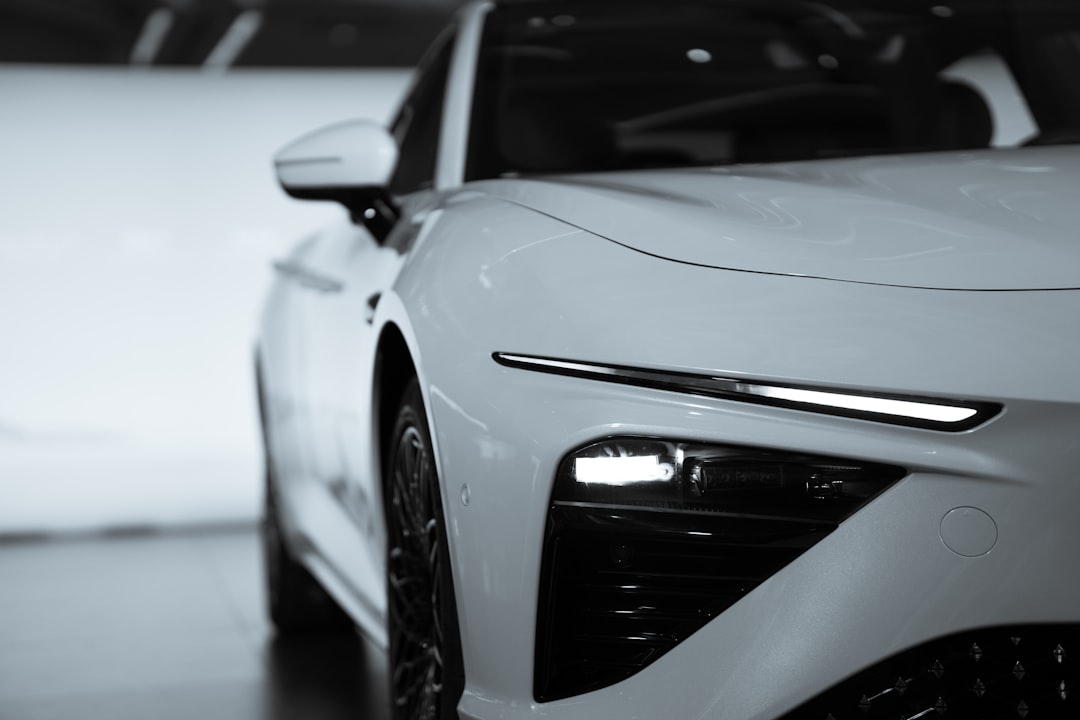
Rivian's R2 just got EPA certification, and it beats the Tesla Model Y on efficiency - the metric that determines real-world range and operating costs. For a startup's second-generation vehicle to outperform Tesla on core engineering metrics is genuinely impressive.
Let me explain why efficiency matters more than the headline range numbers that dominate marketing materials.
When EV manufacturers advertise range, they're usually talking about the biggest battery option in ideal conditions. But what actually matters for daily driving is efficiency - how many miles you get per kilowatt-hour. Better efficiency means:
Lower operating costs: Electricity isn't free. More efficient EVs cost less to charge.
Faster charging: If you only need 60 kWh to go 300 miles instead of 75 kWh, charging stops are shorter.
Real-world range: Efficiency matters more in cold weather, with headwinds, at highway speeds - all the conditions that kill advertised range.
Battery longevity: Less stress on the battery for the same performance means longer life.
The R2 achieving better efficiency than the Model Y tells us Rivian learned from their expensive mistakes with the R1T and R1S. Those first-generation vehicles were engineering showcases - quad motors, massive batteries, impressive off-road capability. They were also expensive, heavy, and not particularly efficient.
The R2 is what happens when a startup survives its first product cycle and actually learns. They:
- Optimized the platform for manufacturability - Reduced weight through smarter engineering - Improved aerodynamics - Refined the powertrain for efficiency, not just performance
This is harder than it sounds. Most hardware startups don't survive to generation two. They run out of money, get acquired, or fail to iterate on their initial product. Rivian had a near-death experience in 2022-2023, restructured, and came out with a better product.
The Model Y comparison is significant because it's the benchmark. Tesla has been optimizing EV powertrains for 15+ years. They have more data, more scale, more vertical integration. For Rivian to match or beat them on efficiency is a statement that they've figured out the fundamentals.
Of course, the real test is whether they can manufacture this at scale. Efficiency doesn't matter if they can only build 10,000 units a year. Rivian has struggled with production ramps before. The R2 is designed to be easier to manufacture, but there's a difference between design intent and factory reality.
Pricing will also be critical. The R2 is supposed to be Rivian's mass-market vehicle, but "mass-market" in EVs still means $45,000+. At that price point, it's competing with the Model Y, Hyundai Ioniq 5, Ford Mustang Mach-E, and increasingly, used EVs that offer better value.
But here's what I respect: Rivian didn't chase specs for the sake of marketing. They didn't add a third motor or a bigger battery to claim the highest numbers. They focused on fundamental engineering - efficiency, manufacturability, cost reduction. That's how you build a sustainable company.
The efficiency win over the Model Y might not generate headlines like 0-60 times or range records. But it's the kind of incremental, unglamorous improvement that actually matters. If Rivian can scale production and hit their target pricing, this could be a real competitor.