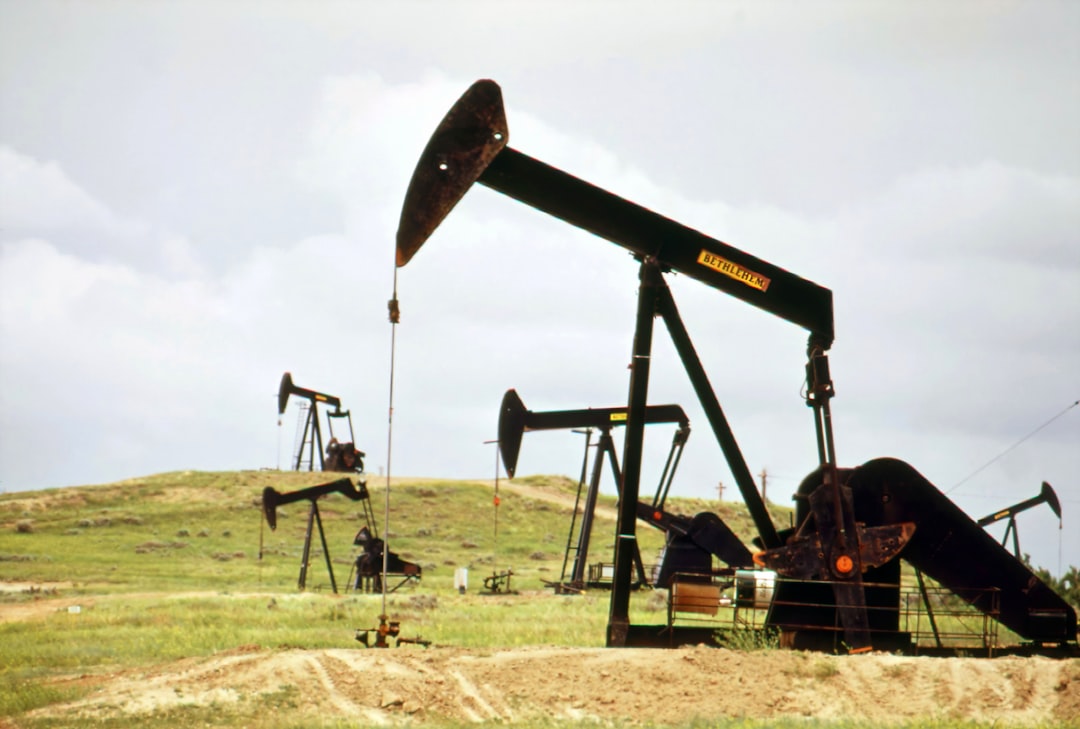
The British government has quietly watered down planned sanctions on Russian oil products, delaying a ban on diesel and jet fuel made from Russian crude and imported via third countries, as fuel prices surge following the effective blockade of the Strait of Hormuz.
The Foreign Office will now "phase in" new restrictions over coming months rather than impose an outright ban, citing concerns over supply disruption and price rises. The decision marks a significant retreat from sanctions first announced in October and comes despite the BBC revealing in 2024 that millions of barrels of Russian-origin fuel continued entering Britain through loopholes.
Vladyslav Vlasiuk, Ukraine's sanctions commissioner, said he understood "the rationale behind the UK's decision" but disagreed with the approach. "Our concern relates specifically to temporary exemptions that may still generate additional revenues for Russia's war machine," he posted on social media.
The Centre for Research on Energy and Clean Air estimated that approximately £1.8 billion worth of oil products made from Russian crude had been imported to the UK via India and Turkey since the first oil ban was imposed in December 2022. The delayed ban effectively allows continued imports of jet fuel from India, which refines substantial quantities of Russian crude.
As they say in Westminster, "the constitution is what happens"—precedent matters more than law. This policy shift follows the pattern established when the United States government issued sanctions waivers last month, a move that drew sharp criticism from European allies.
The Foreign Office insists the delay does not constitute a "waiver" and maintains that "targeted" short-term licences have been issued "within the refined oil import ban to support flexibility in UK supply and global markets." Officials say the rules will be reviewed regularly and "will allow for the full ban to be phased in without causing instability."
Yet the timing exposes the gap between Labour's rhetoric on supporting Ukraine and the realities of energy policy. The conflict in the Middle East has effectively halted transport through the Strait of Hormuz, through which more than half of Europe's jet fuel normally passes. European jet fuel prices have nearly doubled since the US-Israel war with Iran began.
The government faces a politically awkward choice: maintain tough sanctions on Russia whilst risking further fuel price increases, or quietly relax restrictions whilst claiming continued solidarity with Kyiv. Keir Starmer's administration appears to have chosen the latter, betting that phased implementation will avoid public backlash.
Critics note the contradiction between Britain's self-image as Ukraine's "stalwart ally"—repeatedly emphasised by ministers—and willingness to delay measures that would genuinely hurt Russia's war economy. The Kremlin earns substantial revenue from oil exports, even when the crude is refined elsewhere before reaching Western markets.
Parliamentary sources suggest the decision reflects Treasury concerns about inflation more than Foreign Office strategy. With inflation still above target and fuel duty frozen yet again, ministers fear that spiking petrol and aviation fuel costs could derail Labour's economic messaging.
The policy also highlights Britain's post-Brexit energy vulnerability. Unlike EU member states, the UK cannot easily coordinate sanctions policy across a bloc or share energy security burdens. Downing Street must balance competing pressures—supporting Ukraine, managing inflation, and maintaining fuel supplies—without the collective bargaining power it once enjoyed.
Environmental campaigners argue the delay undermines both sanctions effectiveness and climate commitments. By continuing to import refined products made from Russian crude, Britain effectively subsidises Moscow's war effort whilst claiming climate leadership.
For Ukraine, the British decision represents another erosion of Western resolve. Whilst London continues supplying weapons and training Ukrainian forces, the sanctions retreat sends a message that economic convenience ultimately trumps strategic commitment. Ukrainian officials note the irony: Britain talks tough on Russia whilst quietly loosening the financial pressure.
The government's approach reflects the uncomfortable reality of sanctions policy in an interconnected global energy market. Cutting off Russian oil entirely requires either accepting higher prices or finding alternative suppliers quickly. With Middle Eastern supplies disrupted, neither option appears politically palatable to ministers worried about cost-of-living pressures and upcoming elections.
This episode may prove a turning point in Britain's Ukraine policy—the moment when rhetoric about unwavering support collided with domestic political constraints. As fuel prices rise and economic pressures mount, Westminster's commitment to sanctions will face continuing tests. The question is whether future backsliding will be as quietly managed as this one.