The United States Justice Department has unveiled criminal charges against Raúl Castro, Cuba's 94-year-old former president, marking an unprecedented escalation in hemispheric tensions under the Trump administration.
Castro stands accused of murder for allegedly ordering Cuban military jets to shoot down two unarmed civilian aircraft on February 24, 1996 - an incident that killed four members of Brothers to the Rescue, a Miami-based humanitarian organization that searched for Cuban rafters fleeing the island.
The indictment arrives on Cuba's Independence Day, a symbolic choice that underscores Washington's intent. Secretary of State Marco Rubio, the son of Cuban exiles, delivered a pointed Spanish-language video message directly to the Cuban people hours before the charges were announced.
"The real reason you don't have electricity, fuel, or food is because those who control your country have plundered billions of dollars, but nothing has been used to help the people," Rubio said in remarks reported by Axios.
The 1996 shootdown has haunted US-Cuba relations for three decades. Brothers to the Rescue flew regular missions over the Florida Straits, dropping life rafts and alerting the Coast Guard to refugees. Havana claimed the planes violated Cuban airspace - an assertion Washington has always disputed, noting the aircraft were over international waters.
Four men died: Carlos Costa, Pablo Morales, Mario de la Peña, and Armando Alejandre Jr. Their families have sought justice for decades, and this indictment represents the first time a sitting or former Cuban leader has been formally charged by the US government.
The timing is no accident. The Trump administration has deployed a multi-layered pressure campaign against Cuba, targeting the island's crumbling economy and its ties to Venezuela and Nicaragua. Energy shortages have left much of Cuba in darkness for days at a time, and food scarcity has driven protests across the island.
Rubio framed his message as an offer: a "new relationship" between Washington and the Cuban people - but only after the communist government falls. "We understand you are not free to choose your own destiny," he said, speaking past the regime to the population itself.
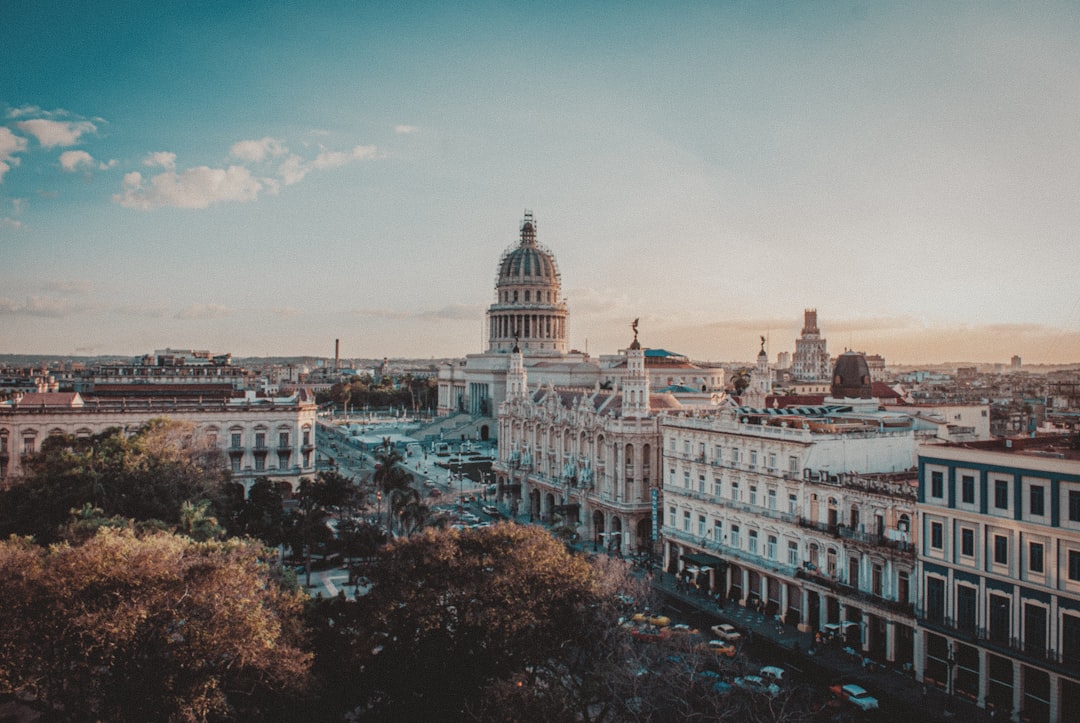
The indictment poses a legal and diplomatic quandary. Castro, who stepped down from the presidency in 2018, remains in Cuba and has no extradition treaty with the United States. The charges are largely symbolic, but they signal that the Trump administration views regime change - not diplomatic engagement - as its Cuba policy.
Regional reaction will be telling. Latin American governments, even those critical of Havana, have historically resisted US interventionism in the hemisphere. Mexico and Brazil have maintained ties with Cuba despite pressure from Washington, and both have pushed for dialogue over confrontation.
But the indictment also speaks to a political constituency in Florida, where Cuban-American voters remain a powerful force. Rubio, a longtime Cuba hawk, has championed aggressive measures against the Castro regime throughout his career. His message on Independence Day - delivered in Spanish, aimed at the island - was as much about domestic politics as it was about foreign policy.
Havana has not yet responded publicly to the charges, though Cuban state media has denounced the Trump administration's "blockade" and accused Washington of using the island as a political tool.
For the families of the four men killed in 1996, the indictment brings a measure of recognition, if not justice. Miriam de la Peña, the sister of one of the victims, told reporters years ago that she wanted the world to remember her brother not as a statistic, but as a man who died trying to save others.
Twenty countries, 650 million people. Somos nuestra propia historia - and Washington is writing a chapter it believes will outlast the Castros.