
The producer of Dark Horse, a biographical film about former Brazilian President Jair Bolsonaro, has admitted receiving R$61 million ($11 million) from Daniel Vorcaro, owner of the collapsed Master Bank who faces criminal charges for financial crimes—a revelation that connects three major Brazilian scandals and threatens the 2026 presidential campaign of Flávio Bolsonaro.
The admission by the production company came after leaked audio recordings revealed Senator Flávio Bolsonaro personally pressing Vorcaro for film financing, creating a direct link between Brazil's most prominent opposition political family and a banker indicted for running what prosecutors call a massive money laundering operation through São Paulo municipal contracts.
According to reporting by UOL, the production company confirmed the R$61 million transfer after initially denying any connection to Vorcaro. The funds allegedly flowed through an associated NGO that held irregular contracts with the São Paulo municipal government, including a questionable R$16.5 million Wi-Fi services contract featuring falsified invoices.
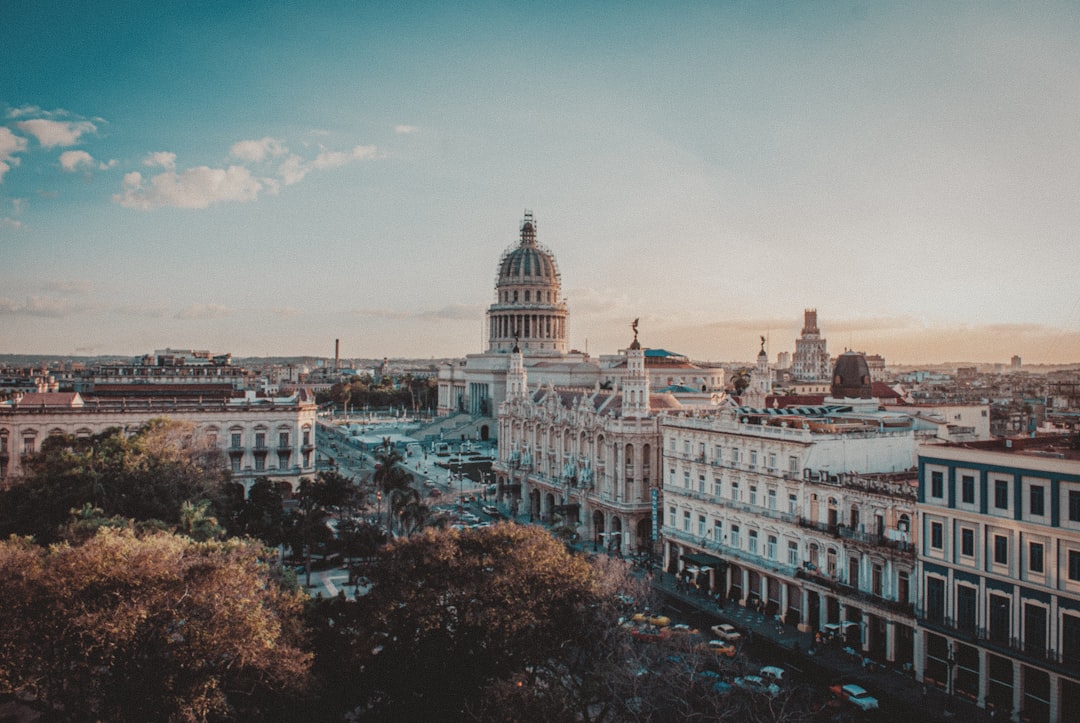
In Brazil, as across Latin America's giant, continental scale creates both opportunity and governance challenges. The scandal spans from São Paulo's municipal government through Brasília's Senate chambers to film production in Rio de Janeiro, illustrating how financial impropriety can thread through multiple jurisdictions in a federal system where oversight remains fragmented.
"The Novo party was betrayed," said Romeu Zema, governor of Minas Gerais, commenting on revelations that Flávio Bolsonaro maintained close ties with Vorcaro despite earlier denying any relationship. The Novo party briefly considered Flávio as a potential ally before the scandal broke.
The Dark Horse film project, which tells the story of Jair Bolsonaro's rise from military officer to president, has become a symbol of what critics call the intersection of political propaganda and financial crime. The R$61 million price tag dwarfs typical Brazilian political documentary budgets—for comparison, the 2010 biographical film about President Luiz Inácio Lula da Silva cost approximately R$12 million.
The timing of the financing is particularly damaging for Flávio Bolsonaro's presidential ambitions. Leaked audio shows the senator, then preparing his 2026 campaign launch, personally negotiating with Vorcaro for film funding just one day after the banker was released from custody on separate charges. Senate expense records show Flávio received reimbursement for a trip to São Paulo that coincided precisely with Vorcaro's release date.
"Allies of Flávio admit reconsidering support for his presidential candidacy if new facts emerge about the Master case," reported O Globo, citing growing unease within the Liberal Party about the scandal's electoral implications.
Social media analysis by consultancy Arquimedes found that 54% of mentions of Flávio Bolsonaro since May 13 have been negative, compared to 40.5% in the period before the audio leaks. The negative sentiment represents a 13.5 percentage point deterioration in just one week—though the senator has not yet experienced significant follower losses on his social media accounts.
The Master Bank scandal itself involves allegations that Vorcaro operated a sophisticated money laundering scheme using municipal service contracts as fronts. The São Paulo Wi-Fi contract with the NGO linked to the film production company featured R$16.5 million in irregular invoices, according to municipal audit findings. Prosecutors are investigating whether public funds were systematically diverted to finance political projects including campaign-oriented films.
Brazilian campaign finance law permits private financing of political documentaries, but requires full transparency about funding sources and prohibits money derived from criminal activity. The Vorcaro connection raises questions about whether the Bolsonaro film violated these provisions—particularly given that Master Bank was already under investigation when the financing occurred.
The cultural production angle adds a novel dimension to Brazilian campaign finance scandals. Rather than direct donations to candidates or parties, the Bolsonaro operation allegedly used documentary filmmaking as a vehicle for political financing, creating a propaganda product while potentially laundering funds through the entertainment industry's complex financial structures.
"The revelation deepens questions about Flávio's credibility, an especially important attribute for undecided voters," explained Pedro Bruzzi, partner at Arquimedes consulting. "Beyond the content of the allegations, what damaged him was changing his story throughout the crisis."
Flávio Bolsonaro initially denied knowing Vorcaro, then acknowledged "brief contact," and finally was contradicted by his own audio recordings pressing the banker for funds. This evolution of explanations has proven particularly corrosive to his campaign positioning as a law-and-order candidate following his father's political brand.
The scandal intersects with Brazil's 2026 presidential race, where recent polling shows President Lula leading Flávio Bolsonaro 46.8% to 38.1% in a potential runoff. The Master Bank revelations threaten to widen that gap by associating the Bolsonaro brand with financial impropriety at precisely the moment when Flávio seeks to inherit his father's political movement.
The case also highlights São Paulo's role as Brazil's financial and political nexus, where enormous municipal budgets create opportunities for corruption. As Latin America's largest city with a budget exceeding many Brazilian states, São Paulo's contracting processes have repeatedly become vehicles for political financing schemes that exploit the gap between formal oversight mechanisms and enforcement capacity.
Prosecutors are now investigating whether additional Bolsonaro family members or associates knew about or benefited from the Vorcaro financing arrangement. The investigation could expand to examine other cultural projects that received funding from sources later found to involve criminal proceeds.
For Brazil's democracy, the scandal underscores persistent challenges in regulating political finance despite reforms enacted after the massive Lava Jato corruption investigations of the 2010s. The use of cultural production as a financing vehicle represents an evolution in how political money moves through Brazilian institutions—one that current regulatory frameworks may not adequately address.
As Brazil prepares for elections that will shape its role as Latin America's largest economy and most influential BRICS member, the Bolsonaro film scandal illustrates how personal corruption allegations can intersect with broader questions about democratic accountability, financial regulation, and the integrity of political competition in the world's fourth-largest democracy.