
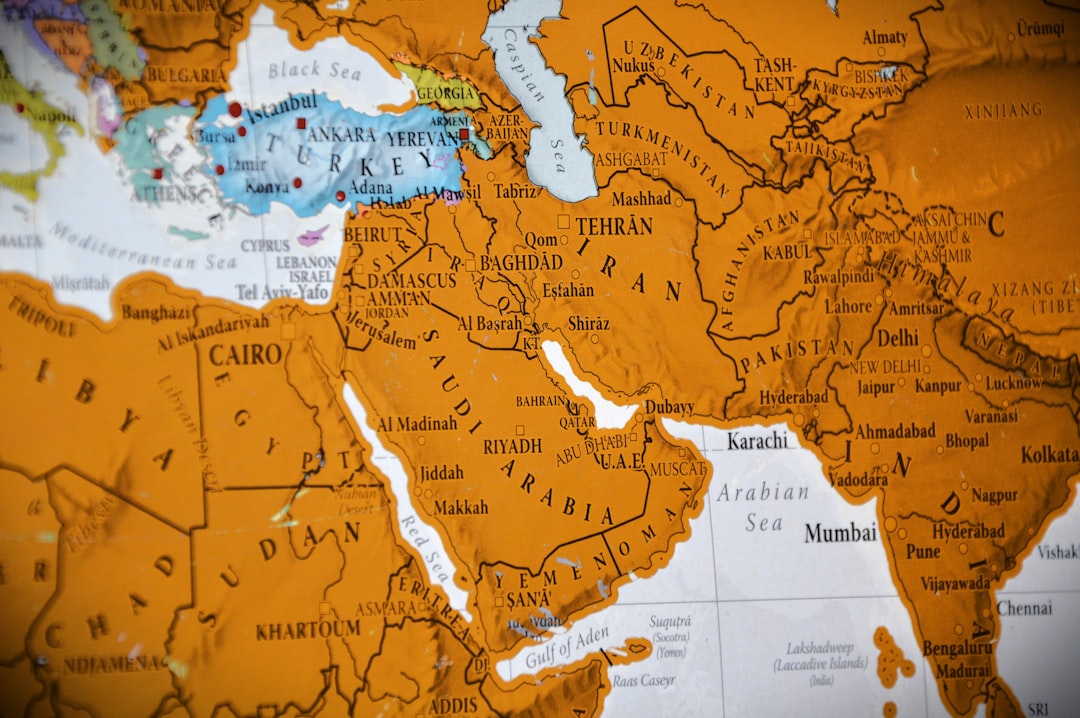
The United Arab Emirates finds itself navigating increasingly difficult diplomatic terrain as its 2020 normalization with Israel through the Abraham Accords collides with escalating U.S.-Israeli military confrontation with Iran—forcing a recalibration of the pragmatic foreign policy that has defined Emirati statecraft for decades.
"Why UAE is in bed with Israel, but won't make a deal with Iran," asked a widely-discussed post in UAE online communities this week, reflecting public questioning of the strategic choices that have aligned Abu Dhabi with Jerusalem and Washington while maintaining cooler relations with Tehran across the Persian Gulf.
The question highlights a fundamental shift in UAE foreign policy from the era of founding father Sheikh Zayed bin Sultan Al Nahyan, who carefully avoided formal ties with Israel while maintaining channels with various regional powers. Today's leadership has embraced a more assertive regional posture that brings both economic opportunities and strategic risks.
In the Emirates, as across the Gulf, ambitious visions drive rapid transformation—turning desert into global business hubs. That transformation now requires navigating a regional security environment that threatens the stability upon which the business model depends.
The Abraham Accords, signed in September 2020, formalized diplomatic relations between the UAE and Israel, making the Emirates the third Arab state (after Egypt and Jordan) to normalize ties with the Jewish state. The agreement, brokered by the administration, promised economic dividends through expanded trade, tourism, and investment—benefits that have indeed materialized with .