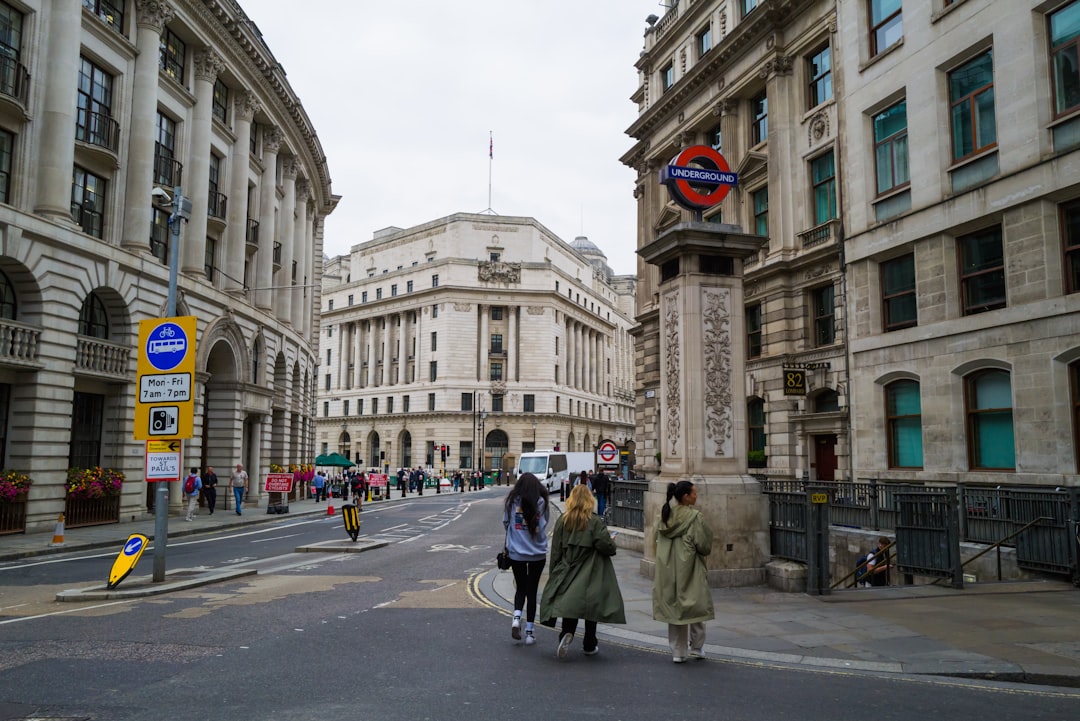
Decades of economic decline have pushed one-fifth of Britain's population into poverty, fueling a political transformation that has seen the far-right Reform UK party surge in support, according to ABC News Australia.
The stark statistics reveal a nation grappling with sustained economic malaise: approximately 13 million people now live below the poverty line in the United Kingdom, representing the highest rate since comparable records began. Real wages have stagnated for over a decade, while housing costs, energy bills, and food prices have surged, creating what economists describe as a "cost of living catastrophe."
The economic distress has coincided with a dramatic shift in the political landscape. Reform UK, led by Nigel Farage, has capitalized on working-class discontent with both the Conservative and Labour establishments. Recent polling suggests the party could win dozens of parliamentary seats in the next election, a prospect that would have seemed impossible just two years ago.
To understand today's headlines, we must look at yesterday's decisions. Britain's current predicament stems from a series of economic shocks and policy choices dating back to the 2008 financial crisis, compounded by austerity measures, the disruption of Brexit, and the pandemic's economic fallout. The result has been the longest sustained decline in living standards since the Industrial Revolution.
The poverty crisis is particularly acute in post-industrial regions of northern England, the Midlands, and coastal towns that have never recovered from deindustrialization. In some constituencies, more than 30 percent of children live in households below the poverty line, according to the Joseph Rowntree Foundation.
"The social contract has broken down," said Professor Sarah Thompson of the London School of Economics, who studies political economy. "People worked hard, played by the rules, and found themselves worse off than their parents. That creates fertile ground for political disruption."
Reform UK's platform—focused on immigration restriction, rejection of net-zero climate policies, and a promised economic "reset"—has resonated particularly with voters who feel abandoned by mainstream parties. The party has successfully positioned itself as the voice of "forgotten Britain," drawing comparisons to populist movements that have reshaped politics across Europe and the United States.
The surge in support for Reform UK has created a political crisis for both major parties. Prime Minister Keir Starmer's Labour government, elected on promises of economic renewal, has struggled to deliver tangible improvements in living standards. The Conservatives, meanwhile, face an existential threat as their traditional working-class voter base defects to Reform UK.
The combination of economic hardship and political volatility has raised concerns about Britain's social cohesion and democratic stability. As the poverty crisis deepens, the political consequences appear only to be intensifying.