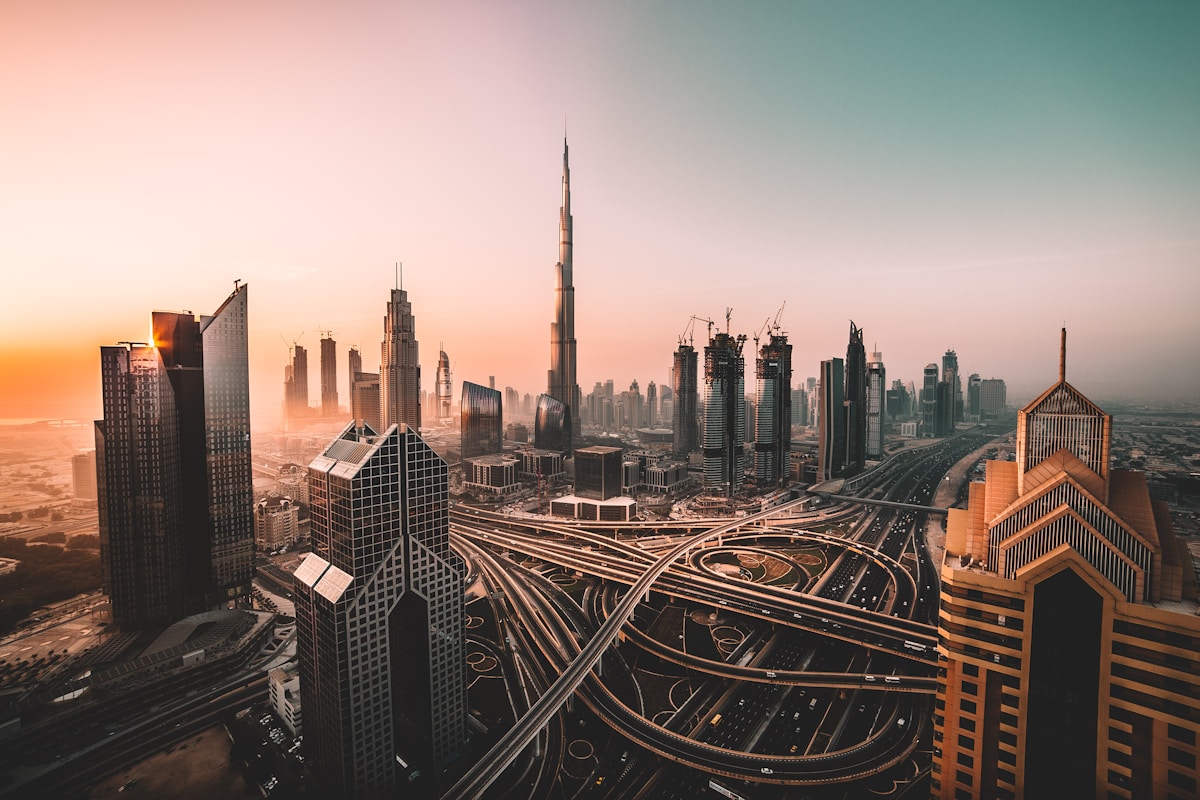
Dubai — The United Arab Emirates has intensified its crackdown on Filipino workers who spread disinformation on social media, a development that exposes the vulnerability of Southeast Asia's 2.3 million overseas workers in the Gulf to their host countries' increasingly strict digital governance rules.
Philippine authorities and labor groups report that UAE officials have warned Filipino nationals against sharing or creating fake news content, with violations potentially resulting in deportation, fines, or criminal charges under the country's cybercrime laws. The warnings come as the UAE broadens enforcement of regulations that criminalize the spread of false information, rumors, or content deemed harmful to national security.
For the over 700,000 Filipino workers in the UAE—the largest concentration of overseas Filipino workers (OFWs) in a single country—the stakes are existential. Remittances from the Gulf constitute a lifeline for millions of families back home, flowing into the Philippine economy at a rate of roughly $3.5 billion annually from the UAE alone.
"One viral post can cost you your job, your visa, and your family's future," said Maria Santos, a domestic worker in Abu Dhabi who asked that her real name not be used. "We're told to stay silent, even when we see our friends sharing things that aren't true."
The crackdown intersects uncomfortably with the Philippines' own struggle against rampant disinformation. The country has become a global hotspot for fake news, particularly on platforms like Facebook, where political operatives and trolls have weaponized fabricated content to influence elections and public opinion. Many Filipino workers abroad remain deeply engaged with domestic politics through social media, often sharing sensational or unverified claims.
But what might pass as free speech—or at least unenforced speech—in Manila can trigger serious legal consequences in the Gulf. The UAE's cybercrime law imposes fines of up to 2 million dirhams ($545,000) and prison sentences for spreading false information.
The issue extends beyond the UAE. Across the Gulf Cooperation Council states—, , , , and —Filipino workers face similar regulatory environments where governments closely monitor online activity. Southeast Asian labor-exporting nations have long grappled with how to protect their workers' rights abroad while respecting host country sovereignty.