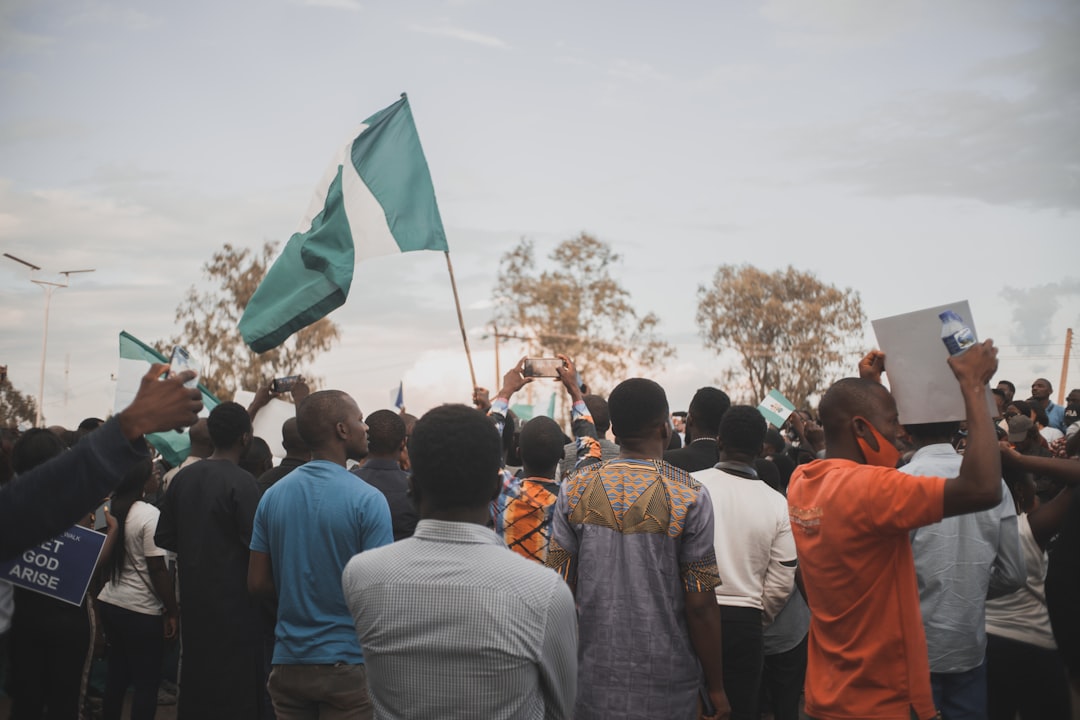
Abuja witnessed a political earthquake Sunday as Peter Obi and Musa Rabiu Kwankwaso formally joined the Nigeria Democratic Congress (NDC), reshaping the landscape for the 2027 presidential race and potentially ending years of fragmented opposition.
The two heavyweight politicians, who split the opposition vote in 2023's contested election, will be received by NDC National Leader and former Bayelsa Governor Henry Seriake Dickson and National Chairman Moses Cleopas at a 2pm declaration ceremony in the capital. The announcement, confirmed by broadcaster Oseni Rufai, comes after months of denials about merger talks.
The move consolidates Nigeria's opposition forces in a way unprecedented since the formation of the All Progressives Congress (APC) coalition that unseated the People's Democratic Party (PDP) in 2015. Obi, who energized young urban voters with his Labour Party insurgency in 2023, and Kwankwaso, who commands significant support across northern Nigeria through his New Nigeria People's Party base, together polled over 12 million votes in the last election—enough to seriously challenge President Bola Tinubu's APC if united.
In Nigeria, as across Africa's giants, challenges are real but entrepreneurial energy and cultural creativity drive progress—and Nigerian voters have shown remarkable appetite for political entrepreneurship when credible alternatives emerge.
"This represents growing confidence in the NDC nationwide," party leaders said in the media invite. Yet political analysts caution that elite bargaining over presidential tickets has historically fractured opposition coalitions in Nigeria's complex federal system, where ethnic and regional calculations often trump ideological alignment.
The central question facing Nigerian voters: Can this merger deliver genuine opposition unity, or will it collapse into the familiar pattern of elite horse-trading over positions? The 2023 election saw Obi dominate in southeastern states and Lagos while Kwankwaso swept Kano and parts of the northwest—complementary regional strengths that could prove formidable if harnessed effectively.
Nigerian civil society groups welcomed the development cautiously. "Voters gave opposition parties a clear mandate to unite and provide alternatives to failed governance," said Yinka Odumakin, a democracy activist based in Lagos. "The question is whether this is about building institutions or just recycling the same political class."
The NDC merger comes as President Tinubu's administration faces mounting criticism over fuel subsidy removal, naira devaluation, and soaring inflation that has pushed millions of Nigerians deeper into poverty. The opposition coalition will need to articulate clear economic alternatives beyond personality-driven campaigns to capitalize on public frustration.
Both Obi and Kwankwaso are leaving the African Democratic Congress (ADC), where they had been negotiating a potential alliance. The shift to NDC suggests backroom negotiations concluded that the party offers stronger institutional infrastructure for a 2027 presidential bid.
Nigeria's young, politically engaged population—over 60% of the country's 200+ million people are under 25—demonstrated unprecedented voter registration and turnout in 2023, driven largely by Obi's campaign. Whether this new coalition can maintain that momentum while also appealing to traditional power brokers will determine if Nigeria's opposition has finally found a formula to challenge the ruling party's dominance.