
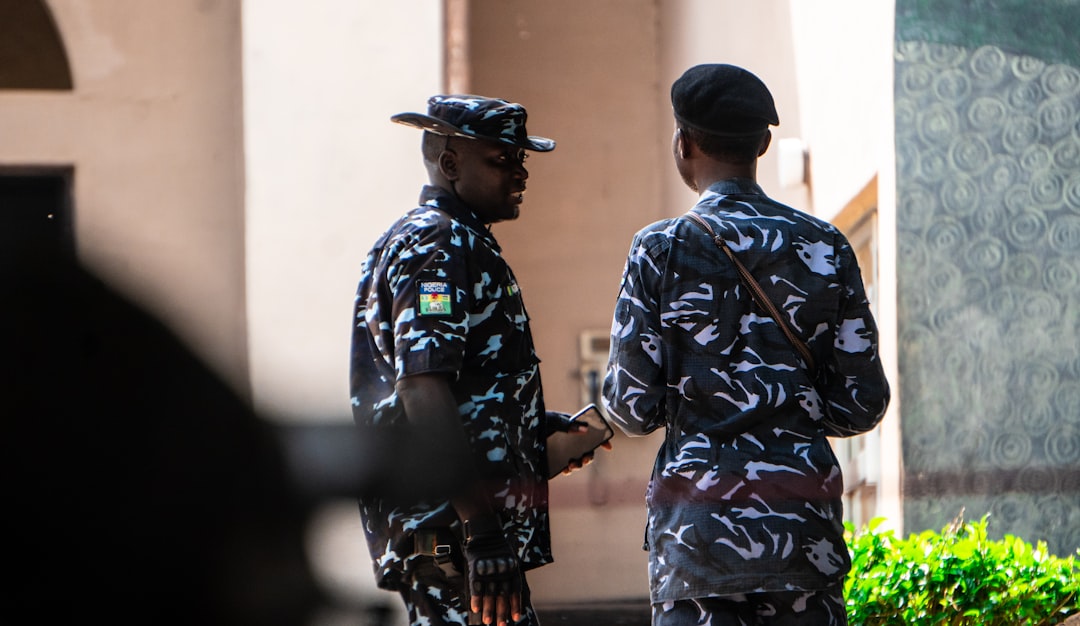
Governors across Nigeria's troubled northwest region have declared an end to negotiations with armed bandits, marking a dramatic policy reversal that will directly affect millions of Nigerians living under the threat of kidnapping, cattle rustling, and village raids.
The announcement represents a fundamental shift away from the controversial amnesty and dialogue programs that several states—including Zamfara, Katsina, and Sokoto—have pursued over the past three years with mixed results. Instead, governors are committing to what they describe as "renewed efforts to restore peace" through military-led operations.
For communities caught between bandit violence and military responses, the policy shift brings both hope and anxiety. Previous military campaigns in the northwest have sometimes resulted in collateral damage to civilian populations, while negotiation approaches have been criticized for emboldening armed groups and creating moral hazard.
"We've tried talking to them, we've tried amnesty programs, we've tried community mediation," said Amina Yusuf, a civil society leader in Katsina whose organization works with displaced persons. "What communities need now is not just another security strategy, but a comprehensive approach that includes economic development, education, and addressing the root causes of banditry."
The northwest security crisis has its roots in farmer-herder conflicts, unemployment, proliferation of weapons from regional conflicts, and the breakdown of traditional governance structures. Armed groups have evolved from cattle rustlers into sophisticated criminal enterprises controlling territory, imposing taxes, and operating kidnapping-for-ransom schemes that have paralyzed rural economies.
In Nigeria, as across Africa's giants, challenges are real but entrepreneurial energy and cultural creativity drive progress—yet in the northwest, that progress has been severely constrained by insecurity that has closed schools, disrupted agriculture, and forced hundreds of thousands into displacement camps.
The governors' hardline shift follows growing criticism that negotiation approaches were merely enriching bandits while providing temporary respite rather than lasting solutions. Several states had paid ransoms and provided amnesty packages including cash and vehicles to repentant bandits, only to see violence resume within months.
Yet security experts caution that military approaches alone have historically failed to resolve the crisis. "We've been deploying troops to the northwest for over a decade," said Bulama Bukarti, a security analyst based in Abuja. "Without addressing governance gaps, youth unemployment, and the political economy of violence, military operations will only scatter armed groups temporarily rather than dismantling them."
The federal government has deployed thousands of troops and established joint security operations, but the region's vast ungoverned spaces and porous borders with Niger make it difficult to contain armed groups. The proliferation of weapons and the interconnection between banditry, terrorism, and communal conflicts further complicate security responses.
For communities in affected areas, the immediate concern is protection. "My children haven't attended school in two years because of bandit attacks," said Hajiya Hauwa Ibrahim, a farmer displaced from her village in Zamfara. "I just want to be able to farm my land and send my children to school without fear. Whether it's through negotiations or military action, we need something that actually works."
The governors' announcement lacks specific details about what the hardline strategy will entail, how civilian protection will be ensured, or what resources will be allocated. Previous military operations have sometimes resulted in human rights violations, extrajudicial killings, and collective punishment of communities suspected of harboring bandits.
Nigerian civil rights organizations are calling for accountability mechanisms and civilian oversight of security operations. "A hardline approach cannot mean abandoning rule of law and human rights protections," said Audu Bulama Bukarti, a legal advocate. "Communities need security, but they also need justice and accountability from both bandits and security forces."
The policy shift also raises questions about alternatives that have received less attention: investing in rural development, creating economic opportunities for young men vulnerable to recruitment, strengthening traditional governance institutions, and addressing the climate-driven land conflicts between farmers and herders that sparked much of the violence.
As Nigeria's northwest governors pursue their hardline strategy, affected communities are hoping for more than just another security announcement—they're hoping for sustained commitment, adequate resources, and a comprehensive approach that finally breaks the cycle of violence that has defined their region for far too long.