The United Arab Emirates publicly named six civilians killed in Iranian missile and drone strikes, revealing that the victims came from Palestine, Pakistan, Bangladesh, and Nepal—a stark reminder that the Emirates' expatriate workforce, not Emirati nationals, bore the immediate human cost of escalating regional conflict.
The Ministry of Foreign Affairs identified the victims as Alaa Nader Awni from Palestine, Murib Zaman Nizar, Muzaffar Ali Ghulam, and Ismail Salim Khan from Pakistan, Ahmed Ali from Bangladesh, and Dibas Shrestha from Nepal. According to Khaleej Times, the government's decision to publicly identify the victims signals the gravity of the situation and represents an unusual level of transparency during an active security crisis.
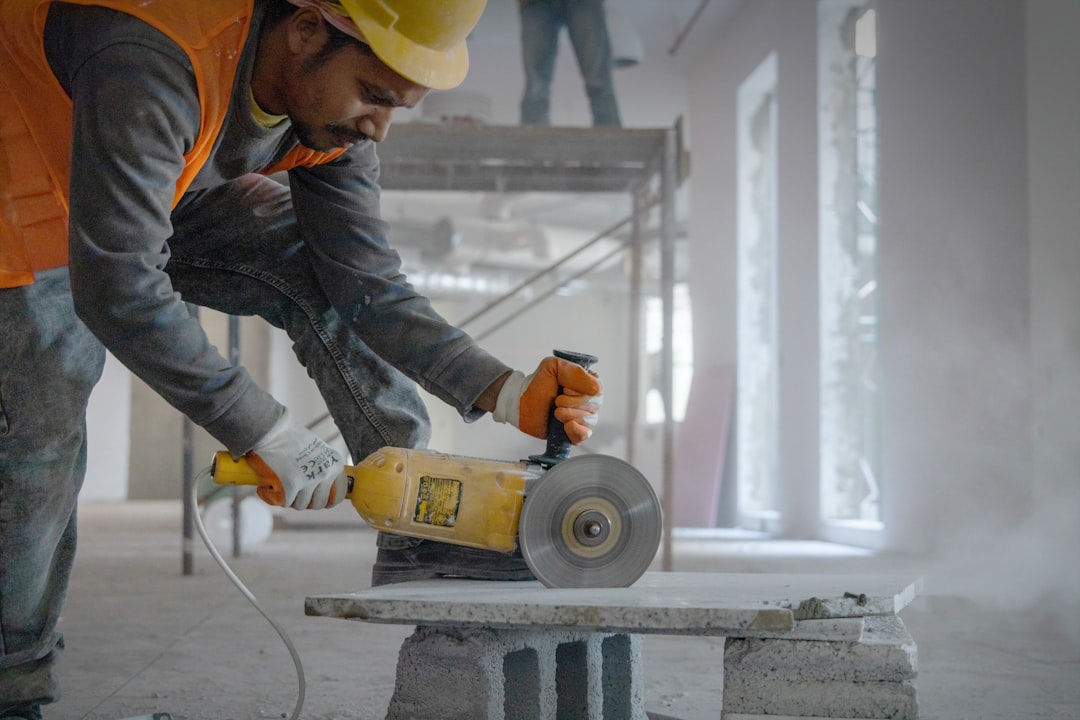
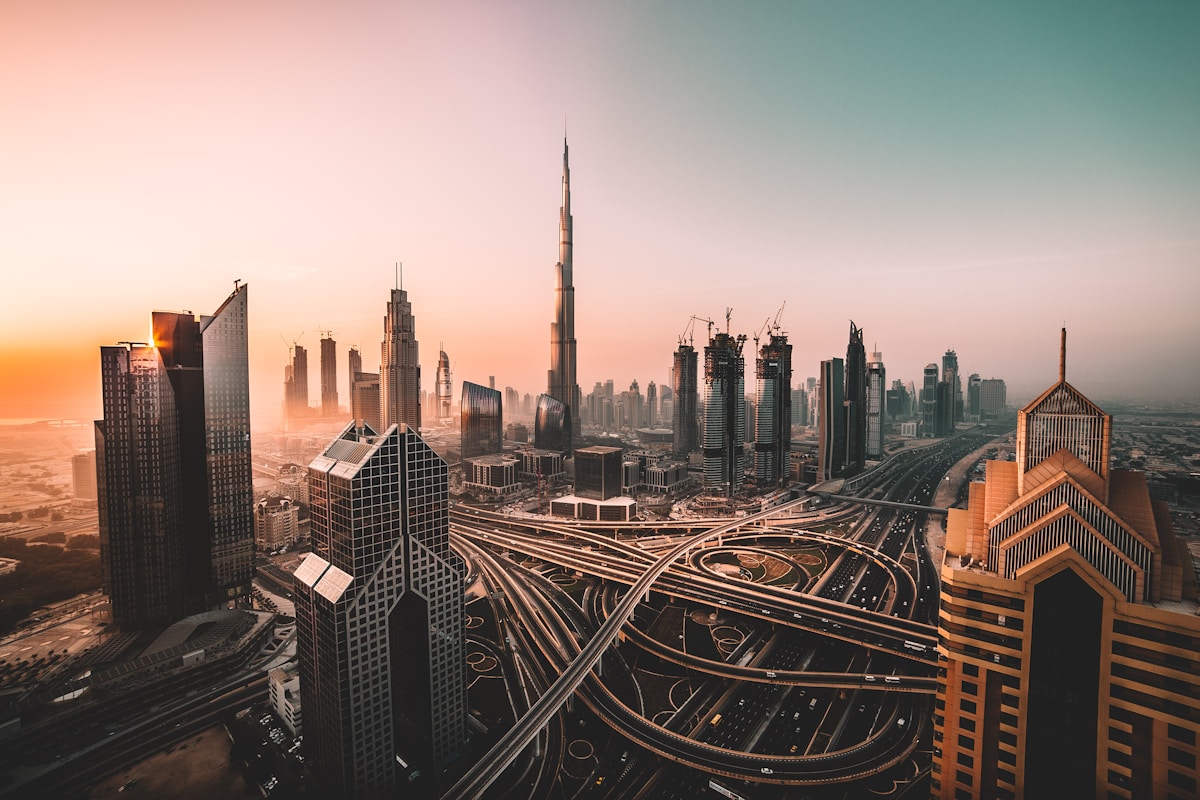
The victims reflect the demographic reality of the UAE's economy: over 88% of the Emirates' population consists of expatriate workers, many from South and Southeast Asia, who built Dubai's skyline and operate its service economy. These are precisely the workers whose labor transformed the UAE from desert sheikhdoms into a global business hub—and who now find themselves in the crossfire of a conflict they did not create.
The Iranian strikes, which Tehran has framed as retaliation for UAE facilities allegedly supporting U.S. and Israeli operations, have exposed the vulnerability of the Emirates' entire economic model. Dubai's success depends on the perception of stability and security, attracting millions of expatriate workers and international businesses with the promise of a safe environment removed from regional conflicts. The deaths of civilian workers—not military personnel or Emirati nationals—undermine that foundational narrative.
In the Emirates, as across the Gulf, ambitious visions drive rapid transformation—turning desert into global business hubs. Yet this transformation has also made Dubai and Abu Dhabi strategic targets. The UAE's close security partnerships with Western powers, particularly the United States and increasingly with Israel through the Abraham Accords, have brought economic benefits but also increased exposure to regional threats.
The government's response reflects this tension: official statements condemn Iran's "continued attacks" while emphasizing that civilian areas have been struck, but authorities have not announced any fundamental shift in security policy or diplomatic alignment. For now, the strategy appears to be weathering the crisis while maintaining the appearance of business as usual—even as residents across Dubai report hearing explosions and interceptions throughout the city.
The human cost, however, cannot be managed through strategic communications. Six families across four countries are now grieving losses sustained not on a battlefield but during what should have been ordinary workdays in a city marketed as a global safe haven. The Emirates built their modern economy on expatriate labor; now that labor force is absorbing the risks of the UAE's regional political positioning.