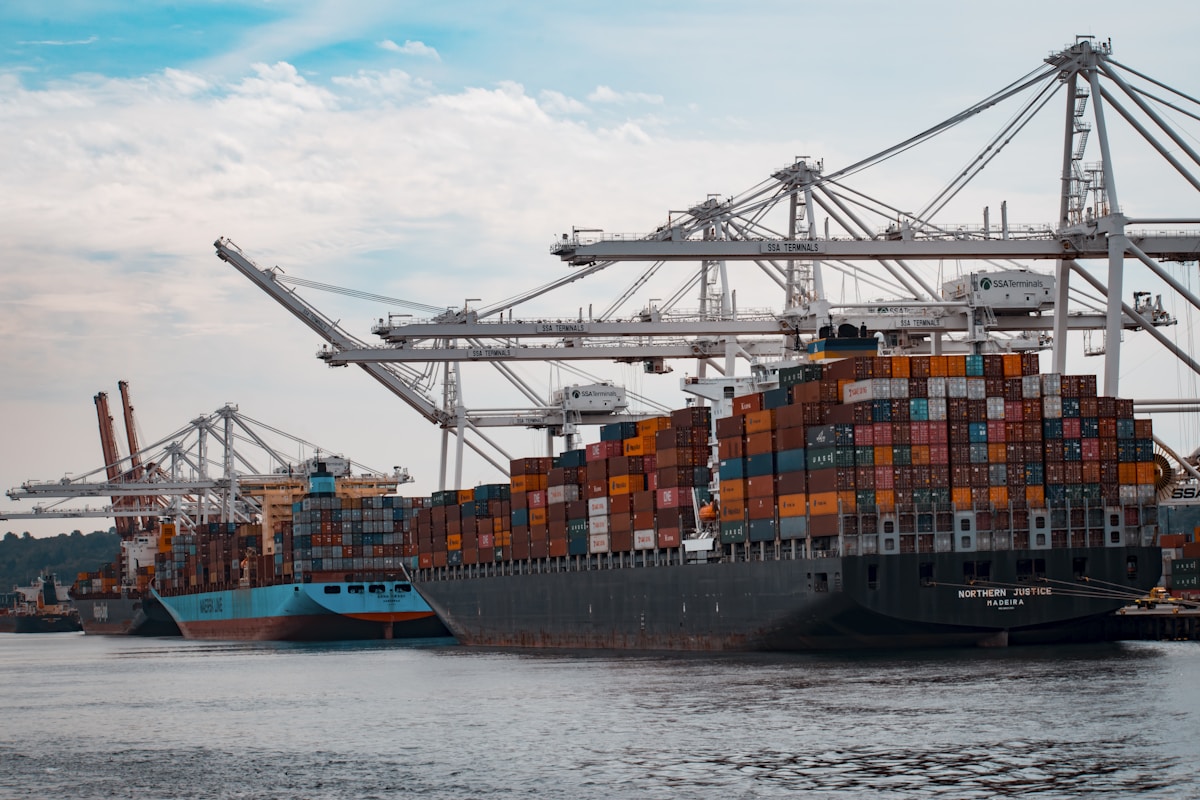
The Trump administration is moving forward with plans to raise tariffs on South Korean imports, delivering a stark message that even treaty allies hosting tens of thousands of US troops cannot escape America's new protectionist trade regime.
The decision, reported by the Korea JoongAng Daily, comes despite intensive diplomatic efforts by Seoul to secure exemptions based on the US-Korea alliance and the strategic importance of Korean semiconductor and defense exports to American supply chains.
The tariff threat exposes fundamental tensions in the US-Korea relationship. South Korea hosts approximately 28,500 American troops, serves as the frontline deterrent against North Korean aggression, and operates as a crucial Pacific ally in countering Chinese influence. Yet these strategic considerations apparently carry little weight in Trump's transactional approach to trade policy.
For Seoul, the implications extend far beyond immediate economic costs. If alliance commitments cannot secure trade exemptions, what value does the security partnership hold? Korean officials have carefully avoided public criticism, but private frustration runs deep over being treated identically to nations without comparable strategic ties.
The timing amplifies Korean anxieties. South Korea's export-dependent economy already faces headwinds from slowing Chinese demand and intensifying technological competition. American tariffs threaten key sectors including automobiles, electronics, and steel—industries that employ millions of Koreans and anchor regional economies.
Semiconductors present a particular dilemma. Korea dominates global memory chip production through Samsung and SK Hynix, products essential to American technology companies and defense systems. Tariffs on these components would raise costs for US firms while providing minimal protection to domestic producers that don't exist at comparable scale.
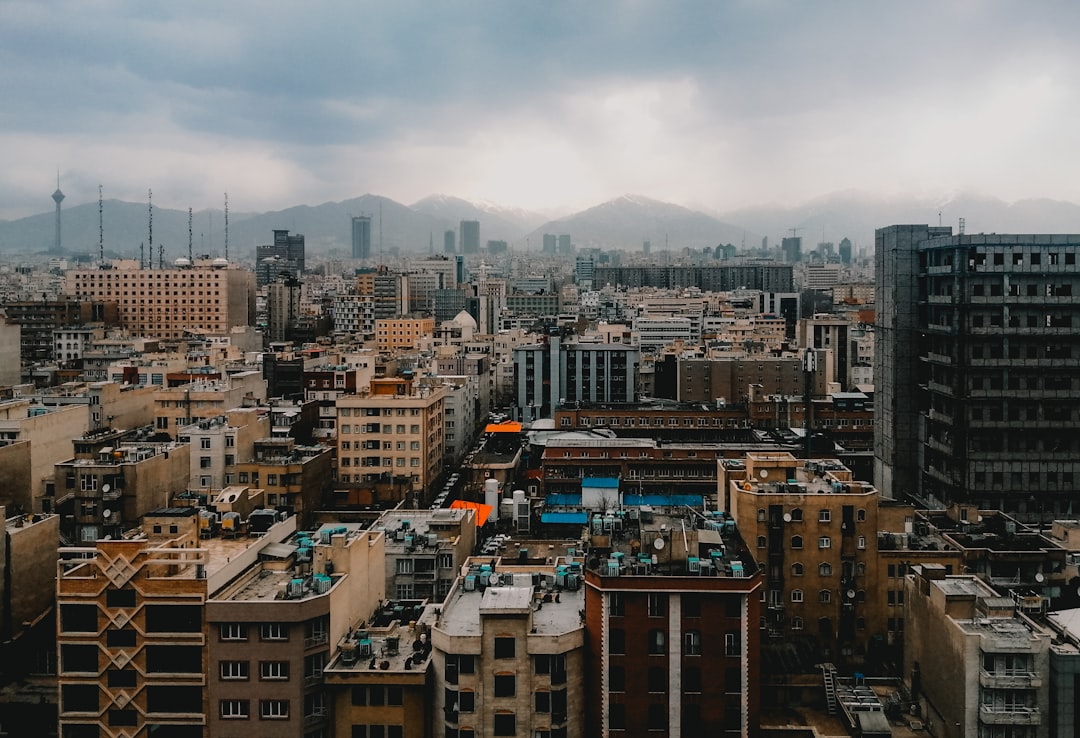
In Korea, as across dynamic Asian economies, cultural exports and technological leadership reshape global perceptions—even as security tensions persist. But K-Pop's soft power and semiconductor dominance cannot overcome protectionist economics when Washington prioritizes bilateral trade deficits over strategic partnerships.
The episode reveals broader trends in US alliance relationships. Japan, Germany, and the European Union face similar tariff threats despite long-standing security partnerships. The post-World War II architecture linking trade liberalization to security cooperation appears to be fracturing under nationalist pressure.
Seoul's response options remain limited. Retaliatory tariffs would harm Korean consumers and risk escalation with a far larger economy. Seeking alternative markets offers partial relief but cannot fully replace American demand. Accepting the tariffs while securing side agreements represents the most likely outcome.
The political dimension cannot be ignored. Korean opposition parties will use the tariff failure to criticize the government's diplomatic approach, arguing that Seoul's accommodating stance toward Washington yields no tangible benefits. This could complicate future alliance management on issues like defense cost-sharing.
Longer term, the tariff episode may accelerate Korean efforts to diversify economic partnerships and reduce dependence on any single market. Enhanced cooperation with ASEAN nations, deeper integration with China despite geopolitical tensions, and pursuit of new free trade agreements all become more urgent.
For American strategic planners, the question becomes whether short-term trade advantages justify straining relationships with crucial Pacific allies. Korea's value to US interests extends far beyond bilateral trade balances—a reality that economic nationalism may be obscuring at precisely the wrong moment.