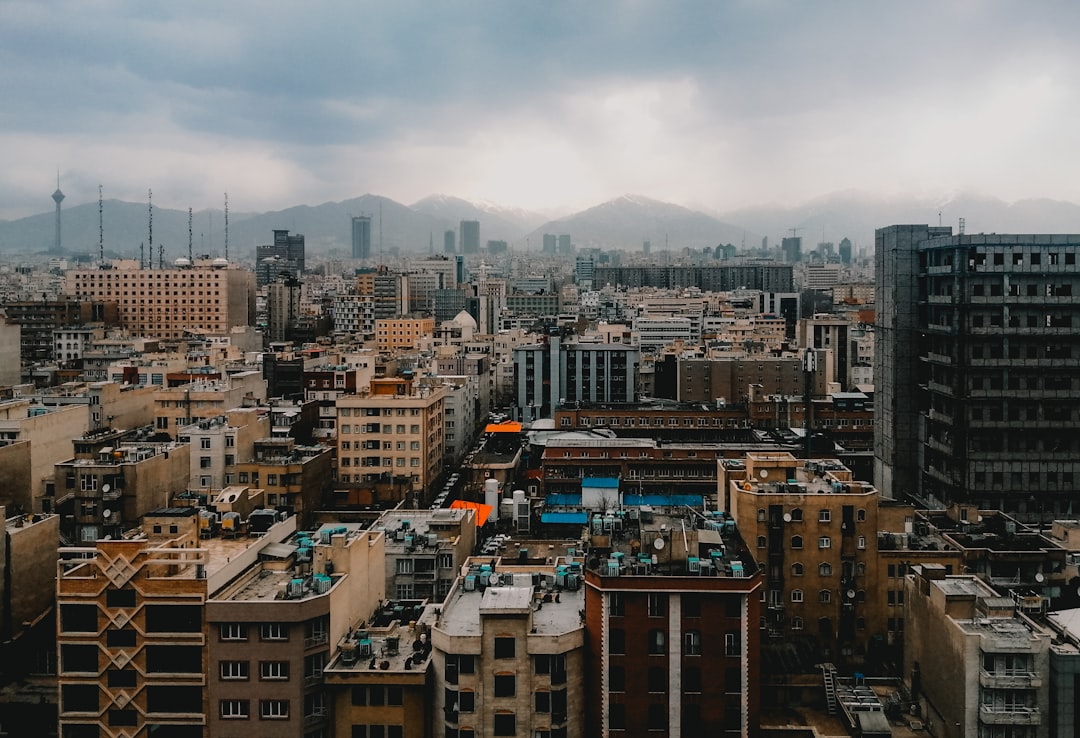

China is moving to strengthen its air quality regulations following a remarkable decade-long campaign that dramatically reduced urban smog levels, offering lessons for developing economies balancing industrialization with environmental protection.
The proposed regulatory tightening comes after Beijing, Shanghai, and dozens of major cities achieved air quality improvements that once seemed impossible. A decade ago, these megacities regularly recorded hazardous pollution levels that grounded flights, closed schools, and sent residents scrambling for masks. Today, blue-sky days have become commonplace rather than celebrated anomalies.
The transformation reflects coordinated policy interventions at unprecedented scale. China implemented stringent industrial emissions controls, phased out millions of high-polluting vehicles, transitioned residential heating from coal to natural gas and electricity, and shuttered or relocated heavy industry from urban centers. The government invested massively in renewable energy, with China now accounting for over half of global solar panel manufacturing and leading in wind power deployment.
Air quality monitoring data documents the progress. Average PM2.5 concentrations—fine particulate matter that penetrates lungs and bloodstream—declined by over 40% in major cities between 2015 and 2025. Beijing, once synonymous with toxic air, saw PM2.5 levels fall from yearly averages exceeding 80 micrograms per cubic meter to below 35, approaching the World Health Organization's interim target.
The health benefits prove substantial. Research estimates that improved air quality prevented hundreds of thousands of premature deaths from respiratory and cardiovascular diseases over the past decade. Children growing up in Chinese cities today breathe dramatically cleaner air than their older siblings, reducing developmental impacts from pollution exposure.
Yet significant challenges remain. While major cities achieved impressive reductions, many smaller industrial cities and rural areas still face severe pollution. Winter heating seasons continue producing pollution spikes as coal combustion increases. And current levels, though vastly improved, still exceed WHO guidelines for safe air quality.
The proposed regulatory tightening addresses these gaps. New standards would impose stricter emissions limits on industrial facilities, tighter vehicle standards, and expanded monitoring in previously under-regulated regions. The measures aim to extend progress achieved in flagship cities to the 300 million residents of smaller urban centers.
In climate policy, as across environmental challenges, urgency must meet solutions—science demands action, but despair achieves nothing. China's air quality transformation demonstrates that determined policy action can reverse environmental degradation even amid continued economic growth.
The approach offers instructive lessons for developing economies facing similar industrialization-versus-environment tensions. India, Indonesia, Nigeria, and others grapple with worsening urban air quality as industrial activity intensifies. China's experience shows that waiting until wealth increases before addressing pollution proves unnecessary—coordinated policy interventions can deliver rapid improvements.
Critical factors enabled China's success. The centralized governance system allowed rapid policy implementation without the legislative gridlock hindering democratic systems. Massive state capacity mobilized resources for monitoring, enforcement, and clean technology deployment. And importantly, public pressure—citizens demanding "airpocalypse" solutions—created political imperative for action.
Technology transfer and financing mechanisms can help other nations replicate success elements. The Green Climate Fund and development banks can finance clean technology adoption. Chinese manufacturers now export affordable solar panels, electric buses, and air quality monitoring equipment to developing markets. South-South cooperation enables knowledge sharing without colonial dynamics.
The air quality victory also delivers climate co-benefits. Measures reducing particulate pollution—transitioning from coal, improving industrial efficiency, electrifying transport—simultaneously cut greenhouse gas emissions. China's clean air policies contributed to its recent achievement of peaking carbon emissions ahead of its 2030 target, demonstrating that local environmental priorities can align with global climate goals.
Challenges persist. Ozone pollution has increased even as particulate matter declined, requiring additional nitrogen oxide controls. And economic pressures periodically tempt backsliding, particularly during industrial slowdowns when environmental enforcement relaxes.
Yet the trajectory remains encouraging. China's willingness to strengthen regulations following initial success—rather than declaring victory prematurely—signals commitment to continued progress. For the hundreds of millions breathing cleaner air, the benefits prove undeniable. And for developing nations watching, the case study offers evidence that prosperity and breathable air need not remain mutually exclusive.