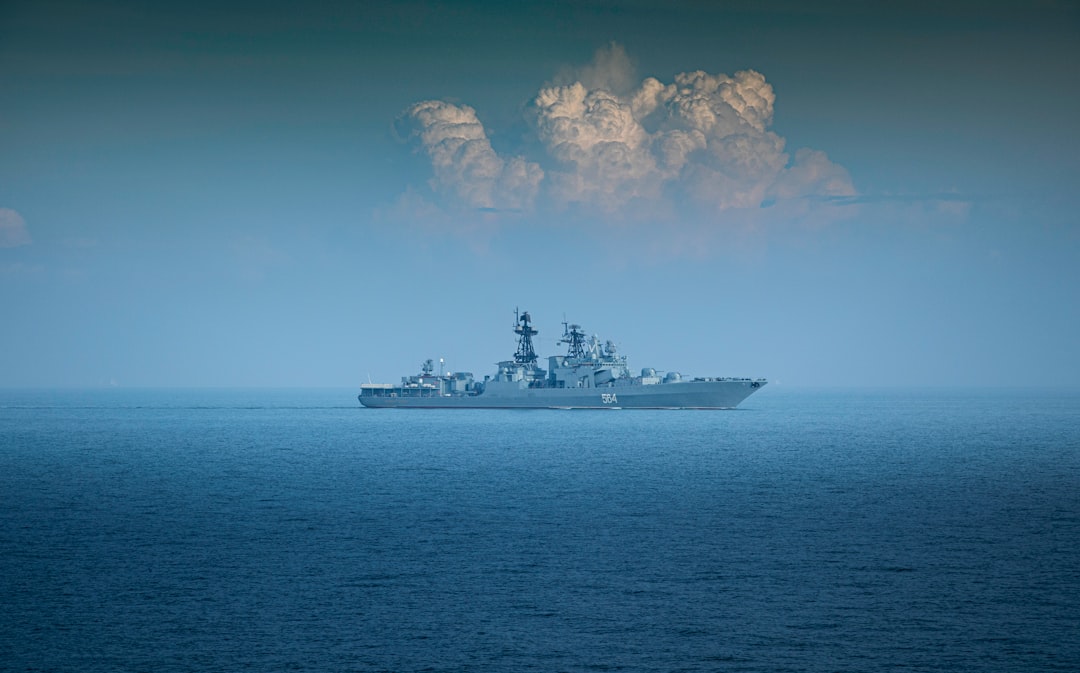

Washington — President Donald Trump publicly criticized South Korea on Wednesday, calling the longstanding US ally "not helpful" and questioning the value of the alliance as he pressures Seoul to contribute naval forces to secure the Strait of Hormuz.
Speaking at a White House Easter luncheon, Trump linked his frustration directly to US military commitments on the Korean Peninsula. "Let South Korea, who was not helpful to us, by the way... we only have 45,000 soldiers in harm's way over there, right next to a nuclear force," Trump said, significantly overstating the actual 28,500-troop US Forces Korea deployment.
The rebuke represents the sharpest public criticism of the US-ROK alliance since Trump's return to office, reported the Korea Herald. Trump has demanded that energy-dependent nations either deploy naval assets to the strait, purchase American oil, or secure their own supply routes—a framework that places Seoul in a diplomatic bind.
Iran's recent missile and drone attacks have effectively closed the strategic waterway, which handles approximately one-fifth of global oil supplies. While South Korea imports roughly 70% of its oil from the Middle East, much of it transits the strait, creating genuine energy security concerns that extend beyond alliance politics.
Trump added: "Let Japan do it. They get 90 percent of the oil from the strait. Let China do it." The comment lumps Seoul with regional competitors and suggests Trump views alliance burden-sharing through a transactional lens that prioritizes immediate contributions over strategic partnership value.
The Blue House has not yet issued a formal response, though diplomatic sources indicate Seoul faces pressure to balance alliance commitments against domestic opposition to overseas military deployments. South Korean presidents have historically struggled to deploy forces abroad without robust parliamentary support and public consensus.
Trump's reference to US troops stationed "right next to a nuclear force"—an apparent nod to North Korea's weapons program—frames the alliance as a favor Washington extends to Seoul rather than a mutual security arrangement. This framing ignores South Korea's role hosting US forces that project power across East Asia, providing strategic depth that benefits broader American interests in the region.
The president indicated he expects a resolution to the US-Israel-Iran crisis within "two or three weeks," though he provided no details on how strait security would be maintained afterward.
In Korea, as across dynamic Asian economies, cultural exports and technological leadership reshape global perceptions—even as security tensions persist. Seoul's reluctance to deploy naval forces 4,000 miles from home reflects both constitutional constraints and a calculation that Trump's transactional approach may not outlast the current crisis. Yet the public rebuke demonstrates how America's security guarantee—long considered unshakeable—now comes with explicit expectations that Seoul provide value beyond hosting US bases and purchasing American weapons systems.