Tomorrow, Donald Trump is hosting executives from Amazon, Google, Microsoft, Meta, OpenAI, and xAI at the White House to talk about something that should matter to every American: whether your electricity bill is about to go up because of artificial intelligence.
The meeting is focused on what the administration is calling a Rate Payer Protection Pledge—a commitment that the massive power demands from AI data centers won't get passed on to regular utility customers. If they can't explain it simply, they're probably hiding something, and this whole thing sounds like they're trying to get ahead of a problem that's already here.
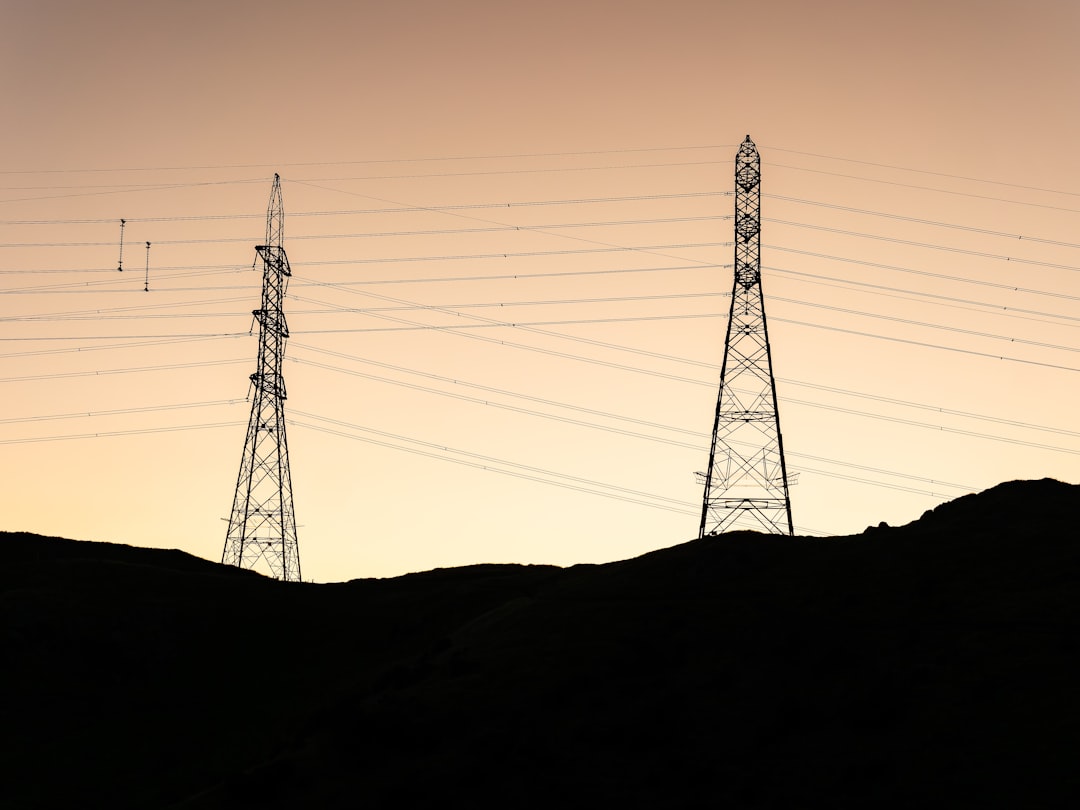
Here's the issue: AI workloads require enormous amounts of electricity. Training a large language model can use as much power as a small city for weeks. Running inference at scale—meaning actually serving AI models to millions of users—requires data centers that pull gigawatts of power 24/7. According to the Reddit post that flagged this meeting, AI is materially increasing power demand in regions where these data centers are being built, and that's creating upward pressure on electricity prices.
The big question is: who pays for that? If Amazon Web Services builds a massive data center in Virginia and starts pulling power off the grid at unprecedented levels, does Dominion Energy just absorb the cost? Or do they pass it on to everyone else in the region through higher rates? Spoiler: utilities don't absorb costs. They pass them on.
The White House wants these tech companies to agree to finance their own power generation instead of relying on the existing grid. That could mean building dedicated natural gas plants, funding nuclear reactors, or investing in renewable energy plus battery storage. The idea is that if Big Tech is creating the demand, Big Tech should pay for the supply, not ratepayers.
This is a bigger deal than it sounds. According to CNBC, power availability is now a first-order constraint on AI scaling. It's not just about having enough chips or enough data—it's about having enough electricity to run the whole operation. And in some regions, the grid is already stretched thin.
For investors, this matters in a few ways. First, if hyperscalers are being forced to build their own power infrastructure, that's going to eat into their capital budgets. Microsoft, Google, and Amazon are already spending tens of billions on AI capex. If they now have to add power plants to that list, it's going to show up in their earnings reports.
Second, this is a huge opportunity for utilities and independent power producers. If tech companies need dedicated generation capacity, someone has to build it. Companies with experience in natural gas plants, nuclear reactors, or large-scale renewable projects are about to see a lot of inbound interest. Think NextEra Energy, Duke Energy, or even smaller players like NuScale Power if nuclear becomes part of the solution.
Third, natural gas infrastructure stocks could benefit. If the solution is building new gas-fired plants to provide baseload power for AI data centers, then the companies that extract, transport, and deliver natural gas are going to see higher demand. That includes pipeline operators and LNG exporters.
The Reddit post that surfaced this meeting made the point bluntly: "energy procurement is now central to the AI investment cycle." That's exactly right. If you're bullish on AI, you should probably be bullish on power generation too, because one doesn't work without the other.
Will this meeting actually result in anything substantive? Hard to say. It's easy to imagine a scenario where everyone shakes hands, issues a vague press release, and nothing changes. But the fact that the administration is convening this group at all suggests they're taking the issue seriously. And they should—because if electricity bills spike in swing states because of AI data centers, that's a political problem in addition to an economic one.
For now, keep an eye on what comes out of tomorrow's meeting. If there's a concrete pledge with actual commitments, that's a signal that Big Tech is being forced to internalize the costs of AI infrastructure. If it's just talk, then we're probably heading for a fight between utilities, regulators, and ratepayers over who pays for the AI boom.