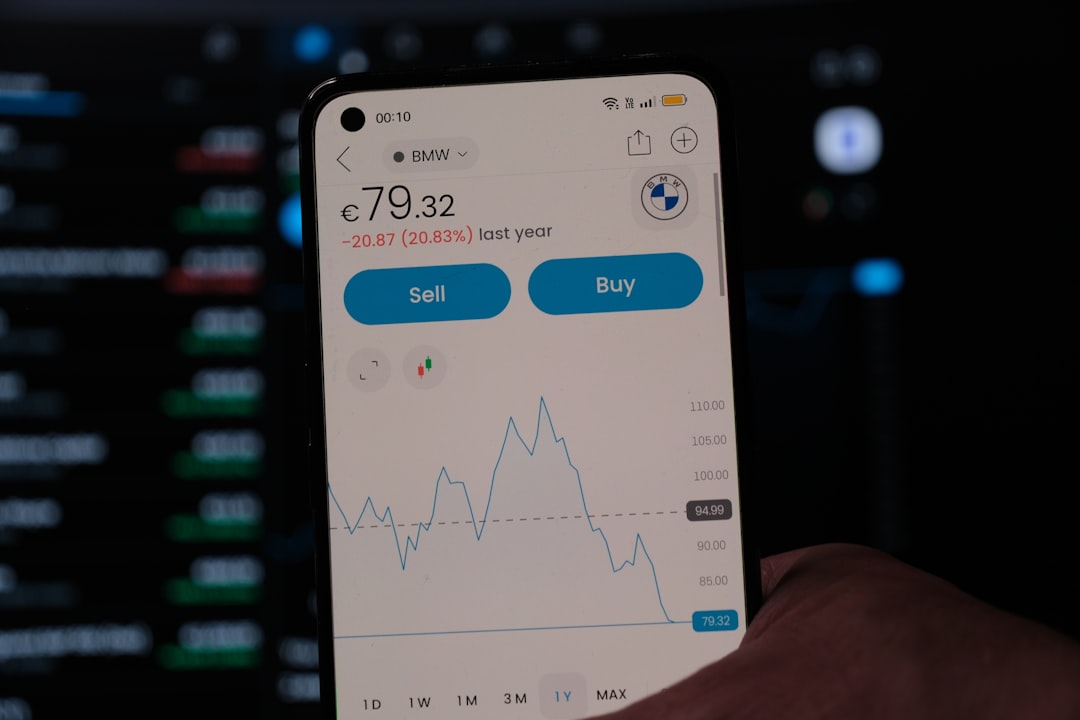
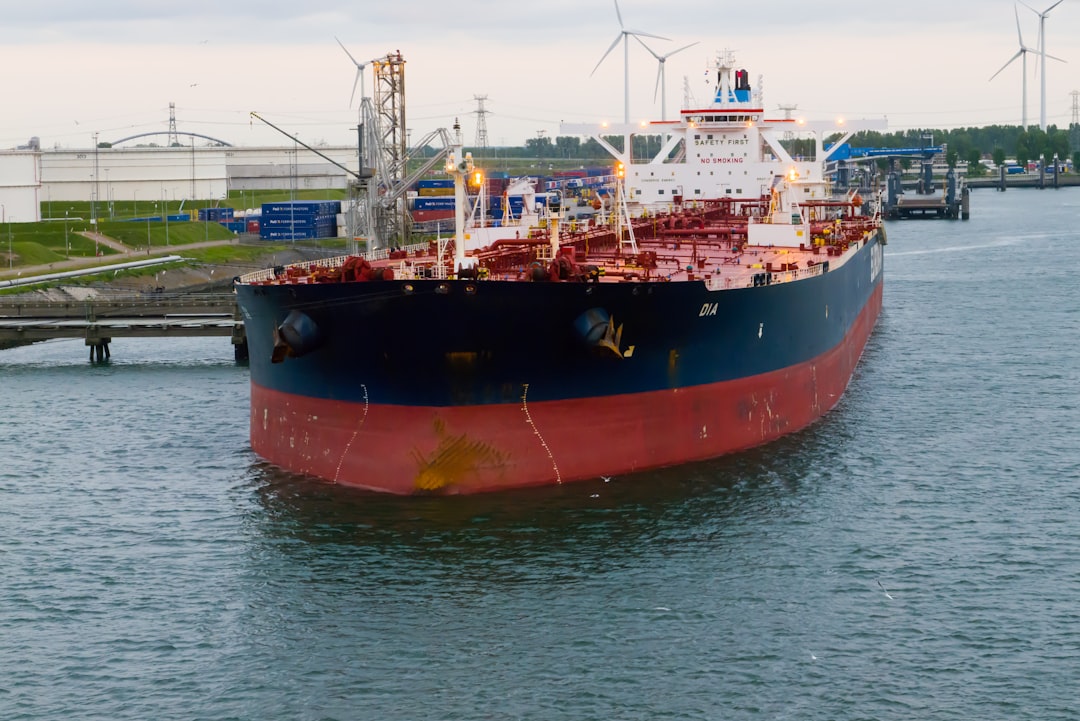
Here's a question that should keep you up at night if you own energy stocks: why are oil tankers backing up in the Strait of Hormuz like it's the Suez Canal all over again, crude prices are climbing toward $90 a barrel, and yet oil stocks are flat or down?
According to a detailed analysis posted on Reddit's investing forum, tanker traffic through the Strait has ground to a near-standstill. Ships waiting to enter the Persian Gulf, ships waiting to leave, and almost nothing actually moving through. The poster sourced maritime tracking data showing a massive backlog, which means roughly 20 million barrels per day of oil—about 20% of global supply—is stuck.
You'd think that would be rocket fuel for oil stocks. Supply disruption plus rising crude prices should equal higher profits for companies like Exxon, Chevron, and ConocoPhillips. But when you check the market, those stocks have been drifting lower or treading water. What gives?
The most likely explanation is that the market is pricing in a demand shock, not a supply shock. Yes, oil is getting stuck in the Strait, but investors are worried that if this drags on, it's going to crater global economic growth. Higher oil prices act like a tax on consumers and businesses. If crude goes to $100 or $120, that doesn't just mean more revenue for oil companies—it means recession risk, lower GDP growth, and ultimately lower demand for oil.
The other possibility is that traders don't believe the bottleneck is going to last. The U.S. has already deployed destroyers to escort ships through the Strait and offered insurance coverage to any tankers willing to make the trip. If that program gains traction and tankers start moving again in a week or two, then the supply disruption was temporary and oil prices will fall back down. In that case, buying oil stocks now would be chasing a short-term spike.
There's also a technical explanation: hedging. Major oil companies hedge their production, which means they lock in prices months or even years in advance. So even if spot crude goes to $90, that doesn't immediately translate to higher earnings if most of their production is already sold at $70. Investors who know this aren't willing to bid up the stocks until they see actual earnings guidance revised higher.
Here's the thing, though: if you believe the Iran situation is going to escalate rather than de-escalate, and if you think oil is heading to $100+, then oil stocks are on sale right now. The Reddit poster who flagged the tanker data is long XOM, COP, and CVX calls, betting that the disconnect between crude prices and equity prices won't last.
I'm not saying that's the right play—timing oil markets is notoriously hard, and geopolitical situations can reverse overnight. But the logic makes sense. If crude sustains above $90 for a quarter or two, these companies are going to print money, and the stocks will catch up. The question is whether you have the stomach to hold through the volatility.
One more wrinkle: energy stocks as an inflation hedge. If the Fed is keeping rates high because they're worried about oil-driven inflation (which they are), then energy might be one of the few sectors that benefits. Bonds are getting crushed, growth stocks are expensive, and cash is earning 5% but getting eroded by inflation. Energy stocks offer a way to benefit from higher commodity prices while collecting a decent dividend yield.
The editor's note on this story was blunt: find better sourcing than Imgur for oil tanker data. Fair point. But the broader question stands: why is there such a massive disconnect between what's happening in physical oil markets and what's happening in equity markets? Either the stocks are mispriced, or the market knows something that isn't obvious yet.
If you're thinking about taking a position, the safest way to play this is probably through an ETF like XLE, which gives you exposure to the whole sector without betting on any single company. That way, if one company has refining issues or a production miss, you're not wiped out. And if the whole sector rallies because crude goes to $100, you participate in the upside.
Bottom line: oil tankers are stuck, crude is climbing, and oil stocks are cheap. That's either a screaming buy signal or a value trap. Which one it is depends entirely on how long this Middle East crisis lasts.