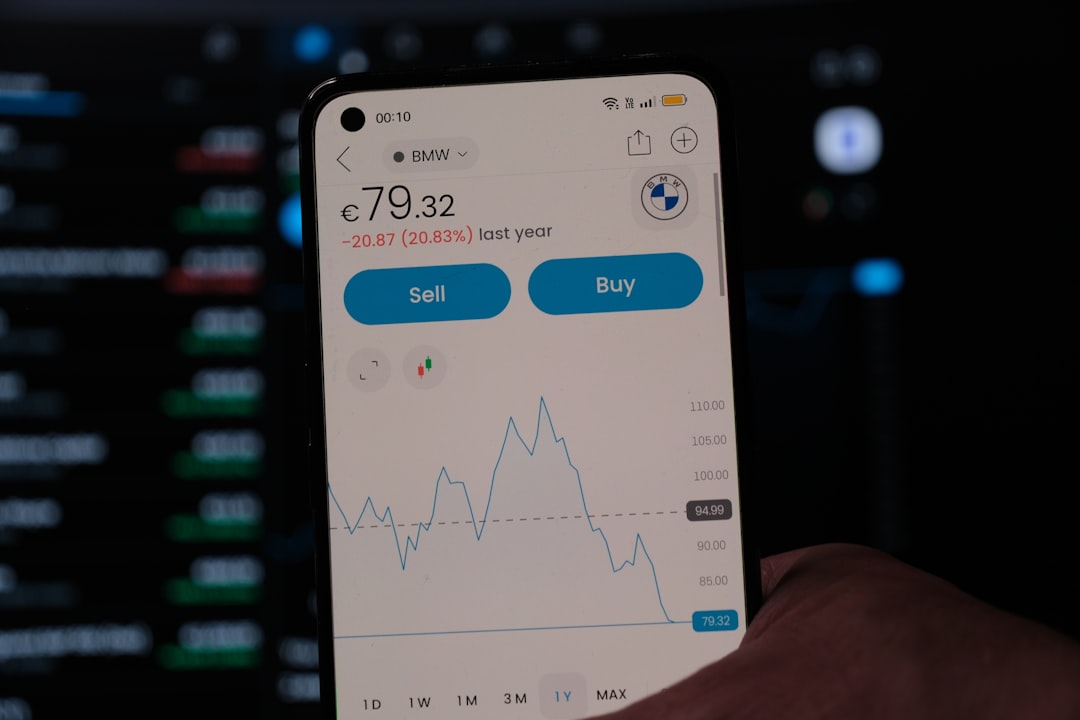
The KOSPI, South Korea's main stock index, just had a day it would rather forget. It plunged 10% on Tuesday, marking its worst single-day drop since the Lehman Brothers collapse in 2008. If you own any international ETFs or have exposure to semiconductor stocks, you felt this one.
The immediate cause? Fear. Specifically, fear about the Middle East war spiraling out of control and choking off global oil supplies. South Korea imports nearly all of its oil, and when crude prices spike, the entire economy takes a hit. Add in some panic selling and algorithmic trading amplifying the moves, and you get a circuit breaker-triggering crash.
But here's the part that matters for U.S. investors: this wasn't just a Korea problem. Japan's Nikkei 225 dropped 4%, Hong Kong's Hang Seng fell 2.5%, and Asian markets across the board were bleeding red. According to CNBC, this marked the biggest two-day drop for the KOSPI since the global financial crisis.
So should you be worried? That depends on what you own and how you're positioned. If you have a globally diversified portfolio through something like VXUS or VEA, you're taking a hit right now. Those funds have heavy exposure to Asian equities, and days like this hurt. The question is whether this is a temporary panic or the start of something worse.
Here's what makes this different from a garden-variety selloff: semiconductor stocks got hammered. Companies like Samsung and SK Hynix—both based in South Korea—are critical suppliers for everything from iPhones to data centers. If their stock prices are cratering, it's not just because of oil. Investors are worried about demand destruction, supply chain disruptions, and the possibility that a prolonged conflict could hit global tech manufacturing.
The good news, if you can call it that, is that this looks more like a panic-driven selloff than a structural collapse. South Korea's economy is still fundamentally strong. Corporate earnings haven't imploded. The central bank has room to cut rates if needed. This isn't 2008 where the financial system was on the brink—this is a market freaking out about geopolitical risk.
For long-term investors, the playbook here is boring but correct: don't panic sell. If you were comfortable with your international allocation last week, nothing fundamental has changed. Yes, a 10% drop in one day is scary. But if you're investing for retirement in 20 or 30 years, single-day moves don't matter. What matters is whether the underlying businesses are still sound, and for most of the companies in the KOSPI, they are.
That said, if you've been meaning to rebalance and you're overweight international equities, this might be a good reminder to check your allocation. A 10% crash can turn a 30% international allocation into a 27% allocation real fast, but if you were already pushing 40% or 50%, you might want to trim and shift some money back to U.S. equities or bonds.
The other thing to watch: whether this spreads. If European and U.S. markets start following Asia down in a sustained way, that's a different story. But as of Tuesday afternoon in New York, U.S. stocks were holding relatively steady. That suggests investors see this as a regional issue, not a global meltdown.
Bottom line: a 10% single-day drop is dramatic, but it's not a reason to blow up your portfolio. If you own international stocks, you signed up for this kind of volatility. The trade-off for higher long-term returns is occasionally watching your account balance crater for reasons that have nothing to do with the companies you own. That's just how it works.