Washington — President Donald Trump has publicly acknowledged that the United States attempted to covertly arm Iranian protesters through Kurdish intermediaries during demonstrations that erupted in January, weeks before the current military campaign against Iran was launched.
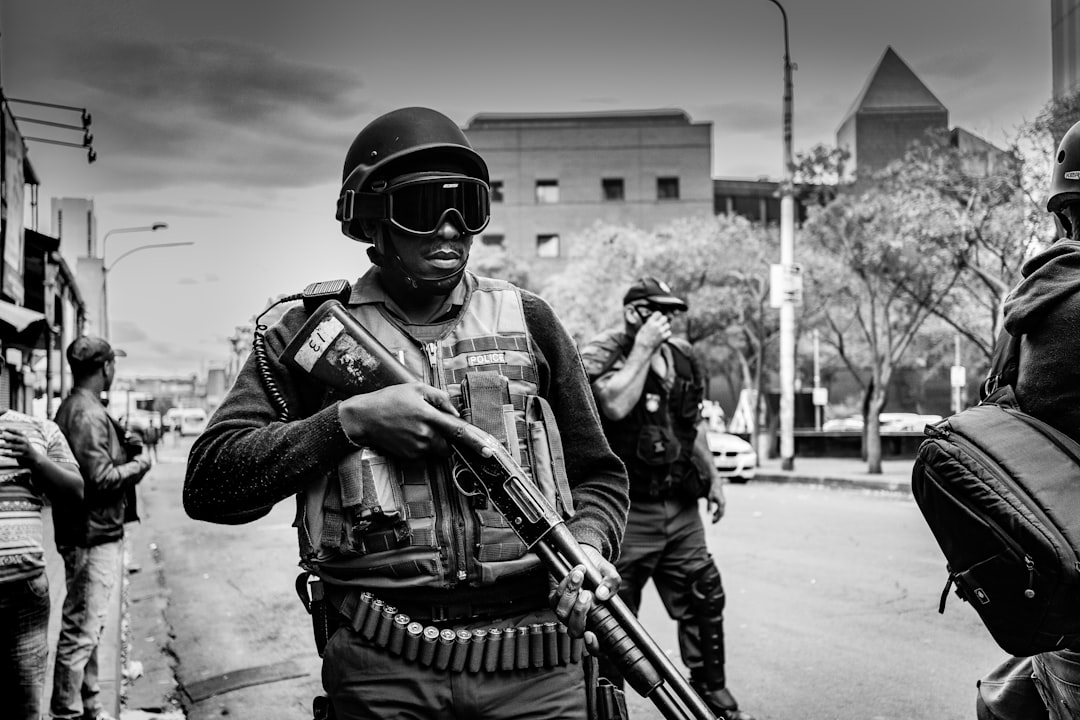
"We sent guns to the protesters, a lot of them," Trump told Fox News late Sunday, though he claimed the Kurds kept the weapons for themselves rather than distributing them to demonstrators. The admission represents an extraordinary validation of Tehran's longstanding assertion that foreign actors sought to weaponize civil unrest.
In Iran, as across revolutionary states, the tension between ideological rigidity and pragmatic necessity shapes all policy—domestic and foreign. The Trump administration's disclosure illuminates how Western powers sought to exploit legitimate economic grievances, triggered by decades of sanctions, to destabilize the Islamic Republic through armed intervention.
Several Iranian Kurdish opposition groups denied receiving weapons from Washington, according to Rudaw, a broadcaster based in Iraq's semi-autonomous Kurdish region. The denial raises critical questions about the ultimate destination of American arms—whether they reached other opposition factions within Iran or were diverted elsewhere in the region's complex web of proxy networks.
The covert operation occurred even as Washington maintained diplomatic engagement with Tehran, underscoring the dual-track approach that characterized pre-war US policy. The protests, among the largest in decades, erupted over rising living costs exacerbated by sanctions that have choked Iran's economy since the Trump administration withdrew from the 2015 nuclear agreement.
Media reports during the January demonstrations, including by Israel's Channel 12, claimed that protesters were being armed by "foreign actors"—assertions that Iranian officials emphasized but which Western powers dismissed as conspiracy theories. Trump's admission transforms that narrative entirely.