
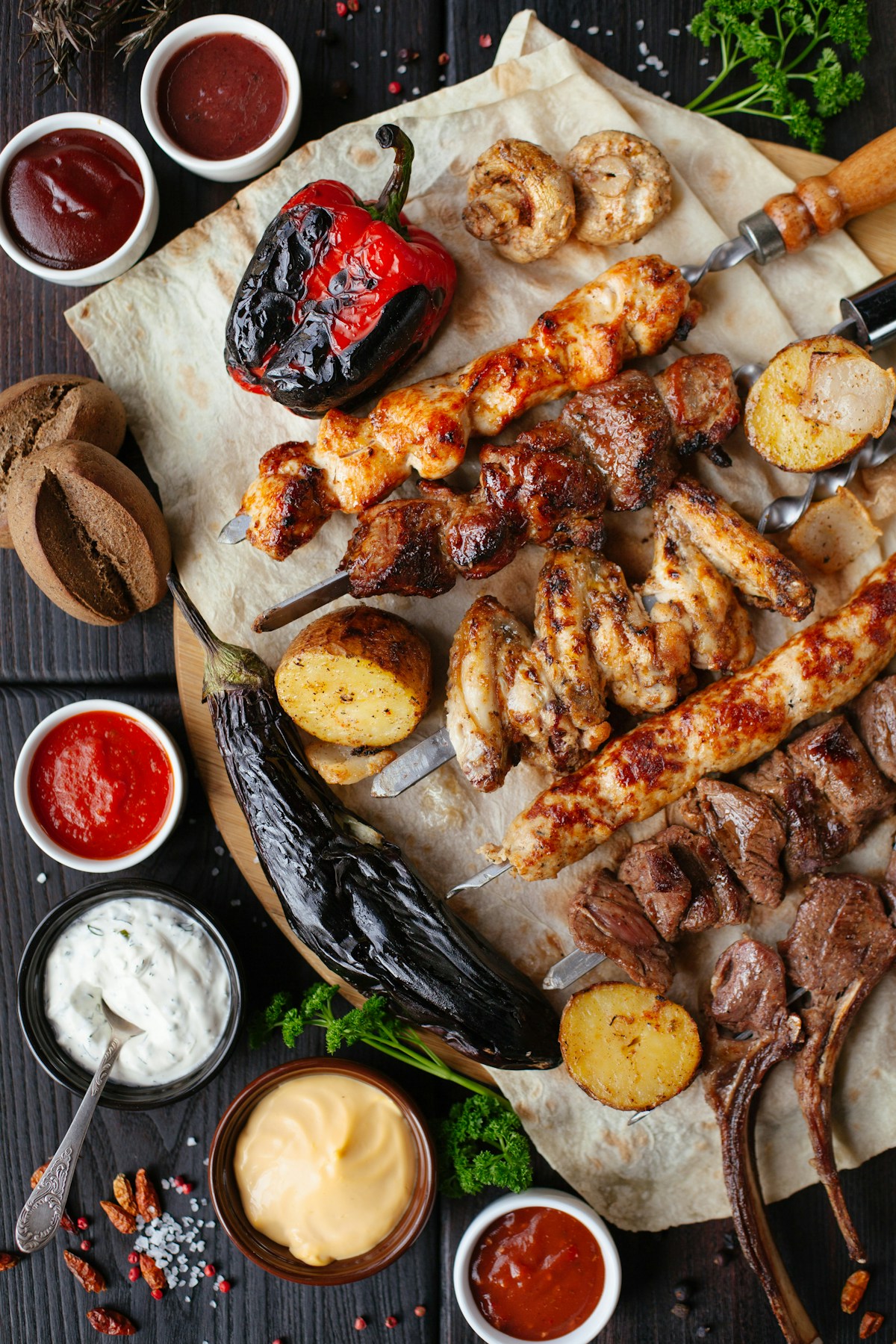
Nigerian street food has become so embedded in Saudi Arabia that suya is known by its Hausa name "tsire" and marks a deeper cultural integration story than typical migrant communities achieve.
A video documenting suya's Saudi popularity revealed surprising details about northern Nigerian communities that have established multi-generational roots in the kingdom. Hausa, Fulani, and Kanuri families have lived in Saudi Arabia long enough that some adopted surnames reflecting their origins: Hausawi, Fulata, and Bornawi.
The surname adoption signals integration beyond temporary labor migration. These families didn't just work in Saudi Arabia—they became part of Saudi society while maintaining Nigerian cultural identity. The names serve as permanent markers of Nigerian heritage for generations born in the kingdom.
The question emerges: why did suya achieve such popularity while other Nigerian cuisines remained niche? The answer likely combines religious pilgrimage patterns, labor migration from northern Nigeria to the Gulf, and suya's compatibility with Saudi food culture. Grilled meat fits naturally into Middle Eastern culinary traditions, easing acceptance.
Northern Nigerian Muslim communities have maintained presence in Saudi Arabia for generations, drawn by Hajj pilgrimage and economic opportunities. Unlike circular migration where workers return home, many Hausawi and Fulata families settled permanently, achieving Saudi citizenship while preserving cultural practices like tsire preparation.
The depth of integration contrasts with other Nigerian diaspora communities. Despite significant Yoruba Muslim populations in Saudi Arabia—many also drawn by Hajj—they haven't established the same visible, multi-generational presence with distinctive naming patterns. The Tuareg community, despite cultural and religious links, similarly lacks comparable institutional presence.
In Nigeria, as across Africa's giants, challenges are real but entrepreneurial energy and cultural creativity drive progress. The suya-Saudi story demonstrates how Nigerian cultural exports succeed globally when they align with local tastes while maintaining authentic identity.
The Hausa community's success in establishing lasting Saudi presence raises questions about migration patterns and integration strategies. What enabled northern Nigerians to transition from temporary workers or pilgrims to permanent residents claiming Saudi citizenship? Why did their integration produce distinctive surnames while other Muslim Nigerian communities remained more transient?
One factor may be timing—northern Nigerian migration to Saudi Arabia has deeper historical roots than southern communities, providing generations to establish institutional presence. Language proximity between Arabic and Hausa commercial vocabulary might also ease integration compared to Yoruba or Igbo speakers.
The cultural pride in Nigerian cuisine shines through the tsire phenomenon. Rather than abandoning Nigerian food traditions for Saudi cuisine, Hausawi communities maintained and popularized their street food, successfully marketing Nigerian flavors in a foreign context. The persistence demonstrates cultural confidence alongside integration.
Nollywood's global reach and Afrobeats' international success represent Nigerian cultural power, but tsire in Saudi Arabia shows how grassroots cultural exports—street food, naming traditions, community institutions—can achieve lasting influence without government support or corporate investment.
The story challenges narratives of Nigerian emigration as purely desperation-driven "japa." Northern Nigerian communities in Saudi Arabia built something more permanent: multi-generational presence, citizenship, cultural integration while maintaining distinct identity. Their success offers a counterpoint to brain drain stories dominating current emigration discourse.
For young Nigerians watching suya conquer Saudi Arabia, the message is complex. Nigerian culture has global appeal and diaspora communities can thrive abroad—but the northern Nigerian success in Saudi Arabia took generations of building, not quick escape.