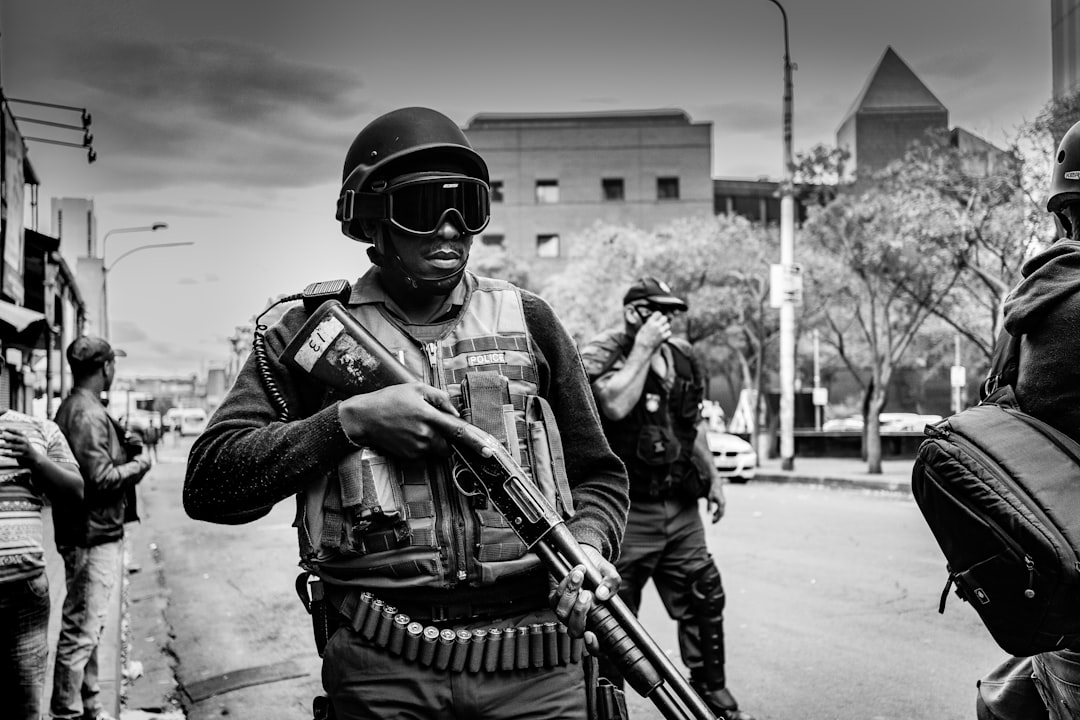
Residents of Westbury, a historically troubled Johannesburg suburb, are questioning when promised military deployment will arrive to address escalating gang violence that has terrorized the community for years.
The situation, covered by eNCA, highlights a troubling trend in South Africa's security landscape: military deployment becoming the default response to policing failures in communities ravaged by crime.
Westbury has long struggled with drug trafficking, gang warfare, and violence that has claimed hundreds of lives over the past decade. The predominantly Coloured working-class community sits in the shadows of Johannesburg's wealthier northern suburbs, emblematic of the spatial inequality that persists three decades after apartheid's end.
Community members interviewed expressed frustration not just with the violence itself, but with the failure of conventional policing to provide sustainable security. Residents report that SAPS (South African Police Service) presence remains inconsistent, investigations languish unsolved, and gang leaders operate with seeming impunity despite community knowledge of their identities.
The call for military deployment reflects this desperation. When civilian police fail, communities turn to the South African National Defence Force as a last resort. Yet this trend raises profound questions about the militarization of domestic security and whether armed soldiers can address the root causes of gang violence.
Security analysts have long warned that military deployment treats symptoms rather than causes. Soldiers can provide temporary suppression of violence through overwhelming force and curfews, but they cannot investigate crimes, build community trust, or address the socioeconomic conditions—unemployment, addiction, lack of opportunities—that fuel gang recruitment.
Moreover, military deployments are expensive and unsustainable. The SANDF already faces budget constraints, aging equipment, and personnel challenges. Extended domestic deployments strain military readiness for actual defense functions and create dependency in communities that need functional civilian policing instead.
The Westbury situation also reflects broader governance failures. South Africa spends billions annually on policing, yet communities consistently report that police are either absent, corrupt, or ineffective. The police-to-population ratio has declined over the past decade even as violent crime rates remain stubbornly high in many areas.
Some residents expressed concern that military deployment might bring different problems. Heavy-handed tactics, limited accountability mechanisms, and the risk of human rights violations have characterized some previous SANDF domestic deployments, particularly in gang-affected Cape Flats communities where soldiers have been accused of excessive force.
Yet the desperation is real. Parents keep children indoors after dark. Schools operate under threat. Businesses close early or shut down entirely. The daily reality of living in a war zone—for that is what gang-controlled areas effectively become—makes any intervention seem preferable to the status quo.
In South Africa, as across post-conflict societies, the journey from apartheid to true equality requires generations—and constant vigilance. The militarization of policing represents a troubling regression to security approaches that prioritize force over community partnership.
What Westbury truly needs is sustained investment in functional policing: trained detectives who solve cases, visible patrols that build community relationships, anti-corruption measures that restore public trust, and prosecution that actually holds gang leaders accountable. This requires political will, budget allocation, and institutional reform far more difficult than simply deploying soldiers.
The community also needs economic opportunity. Gang recruitment thrives where legitimate employment options are scarce. Young people join gangs not just for ideology but for survival—for money, protection, and identity in communities where society offers little else. Addressing this requires job creation, skills training, addiction treatment, and youth programs that provide alternatives to gang life.
Critics also point to the spatial legacy of apartheid. Westbury, like the Cape Flats and other crime-ravaged areas, was deliberately designed as a marginal community—close enough to white areas to provide labor, far enough to be invisible. This geographic marginalization persists, with wealthier neighborhoods receiving responsive policing while working-class communities make do with whatever resources remain.
The question of when soldiers will arrive thus misses the larger point: Why are soldiers necessary at all? Why has civilian governance so thoroughly failed that communities beg for military intervention? These are the questions South Africa must confront if it hopes to break cycles of violence that make a mockery of constitutional promises of safety and dignity.
Until then, Westbury residents will keep waiting—for soldiers, for safety, for the functional democracy they were promised when apartheid ended but that remains frustratingly out of reach.