The Trump administration is systematically dismantling climate science infrastructure, ordering the destruction of $387 million worth of ocean-monitoring equipment and shuttering atmospheric research facilities in what critics describe as deliberate sabotage of climate data collection.
According to Bloomberg reporting, the administration has targeted both elite atmospheric science hubs and critical ocean observation systems, with the explicit goal of eliminating the government's capacity to track climate change impacts.
"Ripping up $387 million worth of ocean-monitoring equipment? Tearing apart an elite atmospheric science hub? For the Trump administration, as with the cruelty, the ignorance is the point," observers noted.
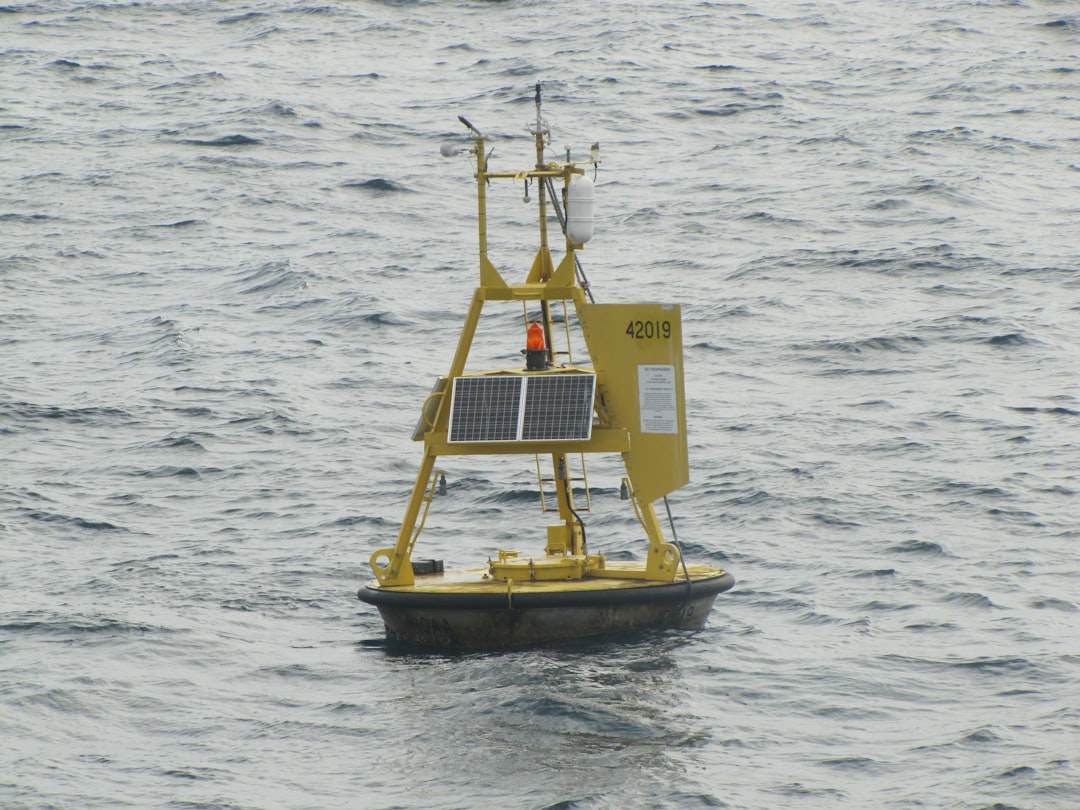
The ocean monitoring equipment slated for destruction includes sophisticated buoys, sensors, and autonomous vehicles that track sea temperature, salinity, currents, and ocean acidification across all major ocean basins. These systems provide irreplaceable data for climate models, weather forecasting, and understanding ocean ecosystem changes.
In climate policy, as across environmental challenges, urgency must meet solutions—science demands action, but despair achieves nothing. While political sabotage threatens climate monitoring, the scientific community, states, and international partners can preserve critical observation capacity through alternative funding and coordination.
The $387 million price tag represents not just equipment value but decades of calibration, baseline data establishment, and scientific protocols that cannot be quickly replicated. Destroying this infrastructure creates multi-year gaps in climate records that fundamentally compromise scientists' ability to track warming impacts.
"You can't just turn these systems back on later," oceanographers emphasized. "Continuity of observation is essential for detecting trends and separating signals from noise. Gaps in the data record permanently damage our understanding."
The atmospheric science facilities facing closure include research centers that monitor greenhouse gas concentrations, aerosol composition, and atmospheric circulation patterns. These measurements provide ground truth for satellite observations and critical validation for climate models.