Global carbon dioxide emissions have plateaued over recent years, resulting in measurably slower atmospheric CO2 accumulation, according to analysis from climate scientist Zeke Hausfather—rare good news in climate science that validates clean energy progress while underscoring that stabilization alone remains insufficient.
The analysis reveals that while global emissions have not yet begun declining, the halt in growth represents a significant departure from decades of accelerating carbon output. This plateau correlates directly with renewable energy deployment, efficiency improvements, and coal displacement across major economies.
"Plateauing CO2 emissions have slowed atmospheric growth," Hausfather reported, emphasizing that the connection between emissions stabilization and atmospheric concentration changes proves observationally detectable in global monitoring data.
The findings provide empirical validation that clean energy transitions produce measurable climate benefits—a critical point as climate skeptics question whether renewable deployment meaningfully impacts atmospheric greenhouse gas levels.
In climate policy, as across environmental challenges, urgency must meet solutions—science demands action, but despair achieves nothing. The emissions plateau demonstrates that technological progress and policy action can bend the curve, even as the pace remains far too slow to meet Paris Agreement targets.
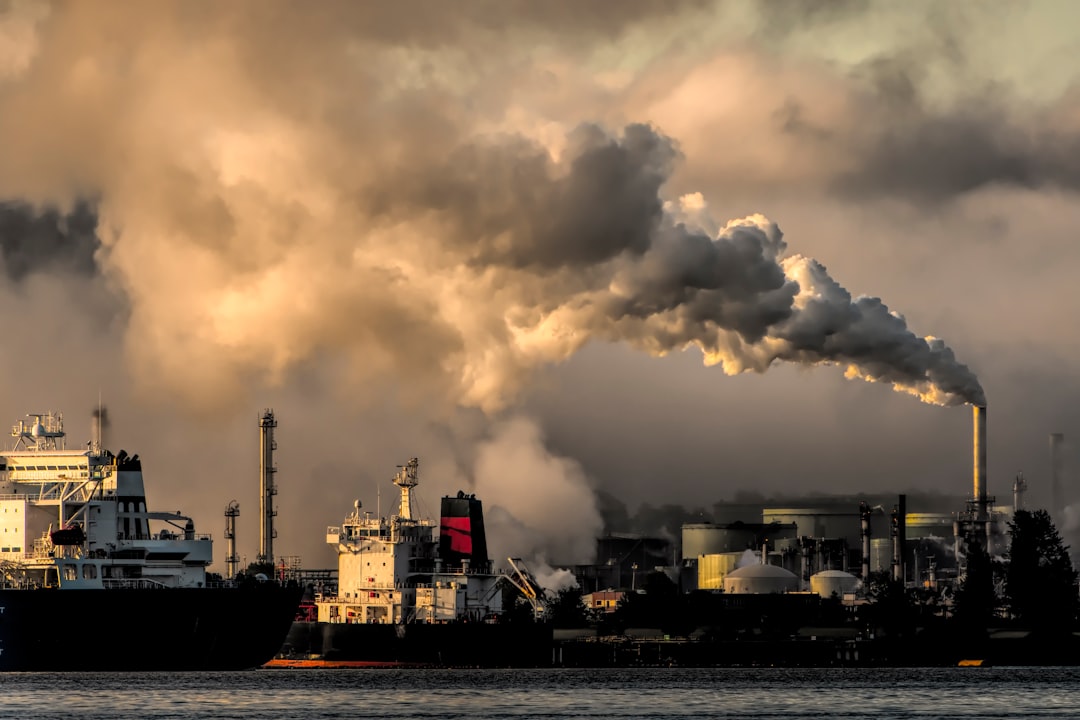
Global CO2 emissions reached approximately 37 billion tonnes annually in recent years, representing a plateau after decades of 2-3% annual growth. The stabilization reflects multiple factors including renewable electricity expansion, electric vehicle adoption, energy efficiency gains, and coal plant retirements.
China, the world's largest emitter, appears to have reached peak emissions as massive solar and wind deployment displaces coal generation faster than electricity demand grows. The European Union continues reducing emissions through aggressive climate policies and carbon pricing. Even the United States, despite political opposition to climate action, sees emissions declining as economic forces drive coal-to-renewable transitions.
However, climate scientists emphasize that plateau is not the same as decline. Stabilizing emissions means continuing to add roughly 37 billion tonnes of CO2 to the atmosphere annually—enough to drive further warming and atmospheric concentration increases, just at a slightly slower rate.
"We've stopped accelerating toward the cliff, but we're still driving toward it at full speed," climate advocates noted. "Stabilization is progress, but what we need is rapid reversal."
Atmospheric CO2 concentrations continue rising despite emissions plateau because of the long residence time of carbon dioxide in the atmosphere. Even stable emissions cause concentrations to accumulate, similar to how a bathtub continues filling even if you reduce but don't stop water flow.
Meeting Paris Agreement targets requires not just stabilizing but rapidly reducing global emissions—cutting them by roughly 50% by 2030 and reaching net-zero by mid-century to limit warming to 1.5°C. Current plateau represents only the first step in a much steeper trajectory.
The emissions stabilization stems largely from renewable energy economics rather than climate policy. Solar and wind now provide the cheapest electricity in most markets, making them economically rational choices independent of climate considerations. This economic inevitability explains how progress continues even in politically hostile environments.
"The renewable transition is happening because it makes economic sense, not just environmental sense," energy analysts emphasized. "That's why solar beat coal in the US despite an anti-renewable administration—the economics became overwhelming."
However, electricity sector decarbonization alone cannot deliver the emissions cuts required. Transportation, industry, agriculture, and buildings all demand parallel transformations. While electric vehicles gain market share, fossil fuel use in aviation, shipping, heavy industry, and heating remains largely unchanged.
Climate justice advocates stress that emissions plateau must not obscure equity dimensions. Developed nations must cut emissions far more rapidly than developing countries, both because of historical responsibility and to provide development space for nations still building basic infrastructure and escaping poverty.
"A global plateau driven by developed world emissions cuts while developing nations moderately increase emissions would represent climate justice," advocates argued. "But a plateau where wealthy nations maintain high per-capita emissions while pressuring poor nations to limit development is unacceptable."
The analysis also highlights the critical role of methane emissions reductions. While CO2 receives most attention, methane from fossil fuel production, agriculture, and waste causes significant near-term warming due to its potency as a greenhouse gas. Recent methane reduction initiatives could deliver substantial climate benefits over the next decade.
Some climate scientists argue that emissions may have already peaked and begun declining when measurement uncertainties and pandemic effects are accounted for. However, robust data confirming peak global emissions will require several more years of observation.
The psychological dimension of emissions plateau deserves attention. Climate advocates often emphasize worsening trends to maintain urgency, creating narratives of unrelenting deterioration. Evidence that clean energy progress produces measurable benefits could strengthen climate engagement by demonstrating that action works.
"People need hope alongside urgency," climate psychologists noted. "Showing that we can bend the emissions curve, even if not fast enough yet, proves that human societies can respond to climate science when politics allows."
Looking forward, the question becomes whether the current plateau represents a temporary stabilization before resumed growth, or the beginning of sustained emissions decline. The answer depends on whether renewable deployment accelerates further, electric vehicles achieve rapid adoption, and industrial decarbonization pathways mature.
Climate models suggest that maintaining the current plateau while developing nations pursue economic growth would still lead to dangerous warming levels. Only a rapid transition from plateau to steep decline can limit warming to Paris Agreement targets.
"We've proven we can stabilize global emissions while the world economy grows," climate economists noted. "Now we need to prove we can cut them rapidly while maintaining development and improving living standards. The technology exists—we need the political will."
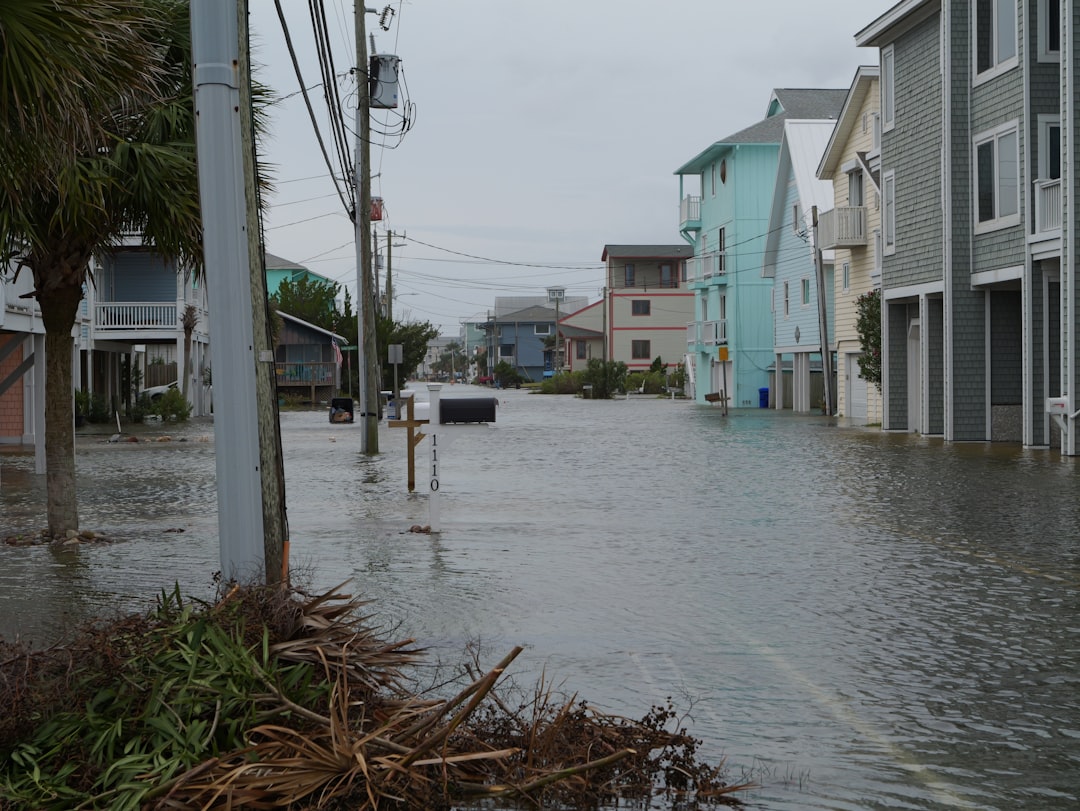
The emissions plateau intersects with accelerating climate impacts. Even as emissions growth slows, consequences of past emissions intensify through sea level rise, extreme weather, and ecosystem disruption. The gap between climate impacts and political response remains vast.
For climate advocates, the plateau represents both validation and renewed urgency. It proves that clean energy transitions produce real atmospheric benefits, undermining skeptic arguments. Simultaneously, it highlights how far current efforts fall short of what climate physics demands, requiring a massive acceleration of decarbonization across all economic sectors.