
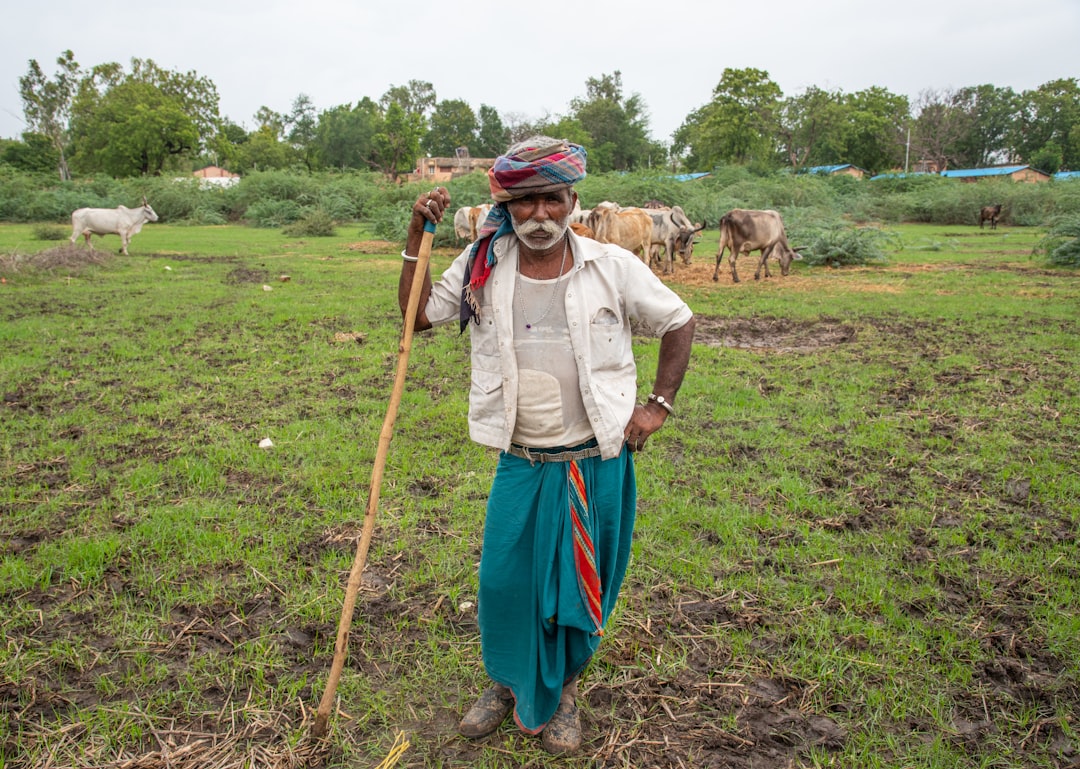
A tribal man in Odisha's Mayurbhanj district was forced to pay a ₹90,000 fine, shave his head, and host a community feast as punishment for marrying outside his caste, exposing the stark disconnect between India's constitutional guarantees of equality and the persistence of caste-based social controls in rural areas.
The incident, reported by the Times of India, occurred in a remote village where traditional community councils—known as panchayats—continue to enforce rigid caste hierarchies despite such bodies having no legal authority under Indian law. The man's marriage to a woman from a different caste triggered the traditional punishment mechanism, with village elders convening to impose penalties designed to humiliate and financially punish the couple.
In India, as across the subcontinent, scale and diversity make simple narratives impossible—and fascinating. India's constitution explicitly prohibits caste-based discrimination and guarantees the right to marry freely, yet an estimated 5% of marriages in the country are inter-caste unions, with the percentage even lower in rural and tribal areas where traditional power structures remain intact. The distance between constitutional India and village India measures not in kilometers but in centuries.
The ₹90,000 fine represents approximately six to twelve months of income for an average agricultural worker in Odisha, one of India's poorest states, making the punishment economically devastating for the family. The requirement to shave the head—a traditional mark of shame in many Indian communities—adds public humiliation to financial hardship, while the mandatory feast forces the punished individual to feed the very community that sanctioned him.
Tribal communities, officially classified as Scheduled Tribes under India's affirmative action framework, comprise roughly 8.6% of the nation's 1.4 billion population. While these communities have constitutional protections designed to preserve cultural autonomy and provide economic opportunities, the same legal framework has created complex questions about when cultural practices cross the line into human rights violations. Traditional governance systems that predate modern Indian statehood continue to wield enormous social power in remote areas where state presence remains limited.
Police sources told local media that authorities were investigating the incident but acknowledged the challenges of enforcement in areas where social ostracism can be more devastating than legal penalties. Victims of such punishments rarely file formal complaints, fearing complete isolation from their communities and loss of access to shared resources like water, grazing lands, and religious spaces.