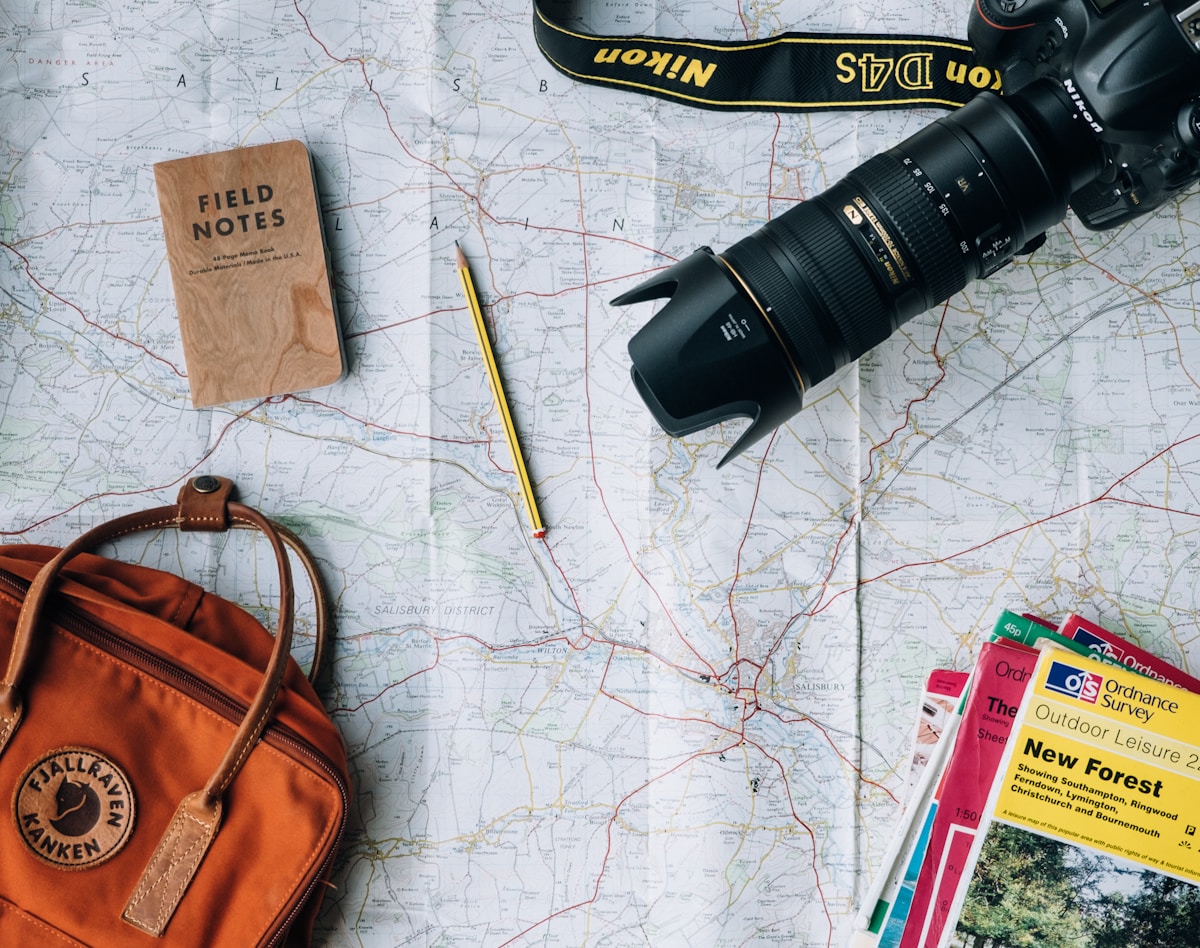
What if the best part of your trip isn't on your itinerary at all?A simple question posted to Reddit's travel community - "What's a travel habit you picked up that you'll never drop?" - sparked a conversation about one practice that seasoned travelers increasingly swear by: leaving one full day completely unplanned.The original poster explained their approach: "I always leave one full day completely unplanned. No reservations, no itinerary. Just pick a direction and figure it out. The best stories from every trip I've taken came from those days."What started as a backup weather day for hiking has evolved into a deliberate strategy. "I get to venture in places I would never get to see otherwise or do stuff which is not on a regular travel plan," they wrote.The post drew over 200 comments, with travelers sharing their own unplanned-day revelations and variations on the theme.Why It Works:Structured itineraries create efficiency but eliminate spontaneity. That random conversation with a local that leads to a hidden restaurant. The unmarked trail you spot from the bus. The festival happening in the town square that no guidebook mentioned. These moments require slack in your schedule.Over-planning also creates pressure. When every day is optimized, missing one sight feels like failure. An unplanned day removes that stress entirely - whatever happens is the plan.Variations on the Theme:One commenter always schedules their unplanned day mid-trip: "By day 4 or 5, I know what I'm curious about that didn't make the original itinerary." Another leaves mornings open but books dinner reservations: "Gives me a forcing function to explore during the day but ensures I eat somewhere good." Several mentioned the "yes day" approach: say yes to the first interesting opportunity you encounter, no matter what it is.The Planning Paradox:Ironically, this requires planning. You have to deliberately build unstructured time into a structured trip. You have to resist the urge to "optimize" that empty day on your calendar. You have to trust that unplanned doesn't mean wasted.One frequent traveler noted: "I used to pack every single day with activities because I felt guilty wasting time in a place I might never return to. Now I realize the 'wasted' day is often the one I remember most vividly."Another pointed out the practical benefit: "It's also a buffer for when something goes wrong or runs long. If your unplanned day stays unplanned, great. If you need it to make up for a rained-out hike or extend a great experience, it's there."The Memory Phenomenon:Multiple commenters observed that their strongest travel memories come from unplanned days. There's something about the unexpectedness that makes experiences stick. Planned activities can blur together; unexpected discoveries create distinct, vivid memories.For travelers feeling the pressure to see everything, do everything, and optimize everything, this thread offers permission to do the opposite. Leave space. Get lost. See what happens.Because the best travel stories don't come from guidebooks - they come from days when you put the guidebook away.
|