If you live near a major roadway, your kidneys are paying a price you can't see.
A 10-year study tracking hundreds of thousands of patients has found that exposure to traffic-related air pollution increases chronic kidney disease hospitalizations by up to four times compared to people living in cleaner air. The culprit: PM2.5 particles from vehicle emissions that enter the bloodstream, triggering kidney inflammation and accelerating organ aging.
The research, published in Nature Scientific Reports, is one of the largest longitudinal studies to establish a direct link between urban air pollution and kidney disease—a connection that's been suspected for years but never demonstrated at this scale.
Here's the mechanism: PM2.5 particles are so small (2.5 micrometers or less—about 1/30th the width of a human hair) that they slip past the body's natural filters. Once in the bloodstream, they don't just pass through. They accumulate in the kidneys, where they trigger inflammatory responses and oxidative stress that gradually damage the organ's delicate filtration structures.
Over years, this chronic exposure leads to premature kidney aging and, eventually, chronic kidney disease requiring hospitalization or dialysis.
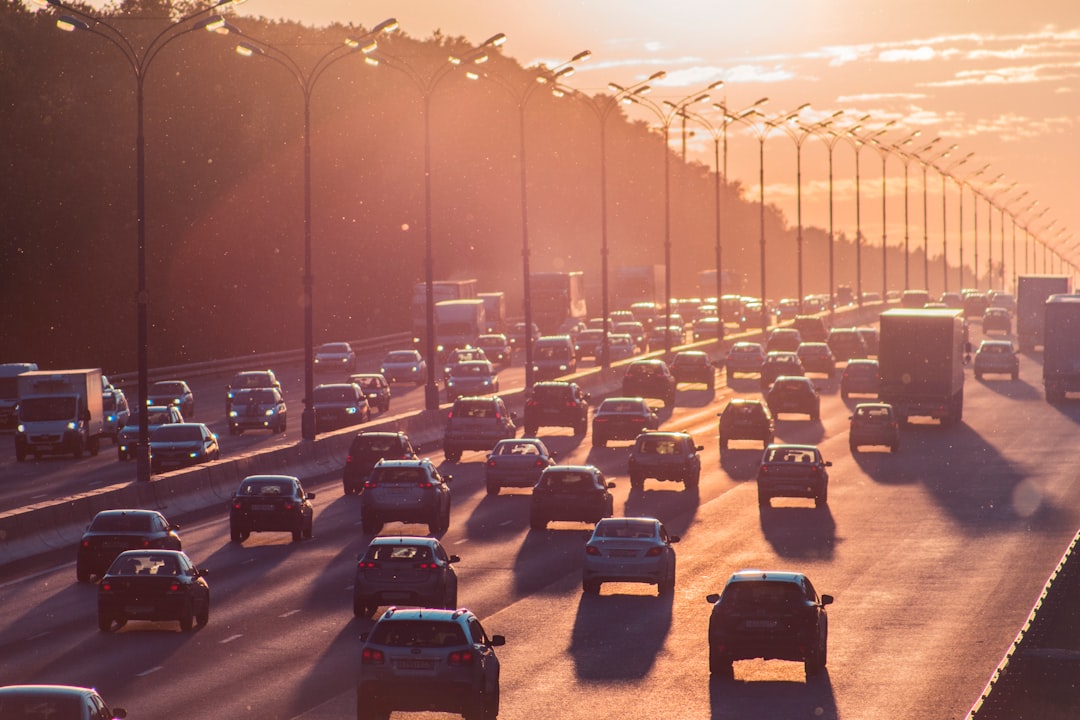
The study found the risk escalated with proximity to high-traffic areas. People living within 300 meters of major roadways faced the highest risk, while those living further away saw proportionally lower rates of kidney disease. It's a dose-response relationship—more pollution, more disease—which strengthens the case for causation rather than mere correlation.
Who's most at risk? Low-income communities, who are disproportionately located near highways and industrial zones. The same populations already burdened by higher rates of asthma, cardiovascular disease, and other pollution-related illnesses.
Now, before you panic if you live near a freeway: this is a statistical risk increase, not a guarantee. Genetics, diet, and other environmental factors also play roles. But the data is clear enough that urban planners and public health officials should be paying attention.
The researchers noted limitations. The study couldn't account for all confounding variables—diet, smoking, occupational exposures—and it focused on one geographic region. Still, the sheer size of the dataset and the consistency of the findings make this hard to dismiss.