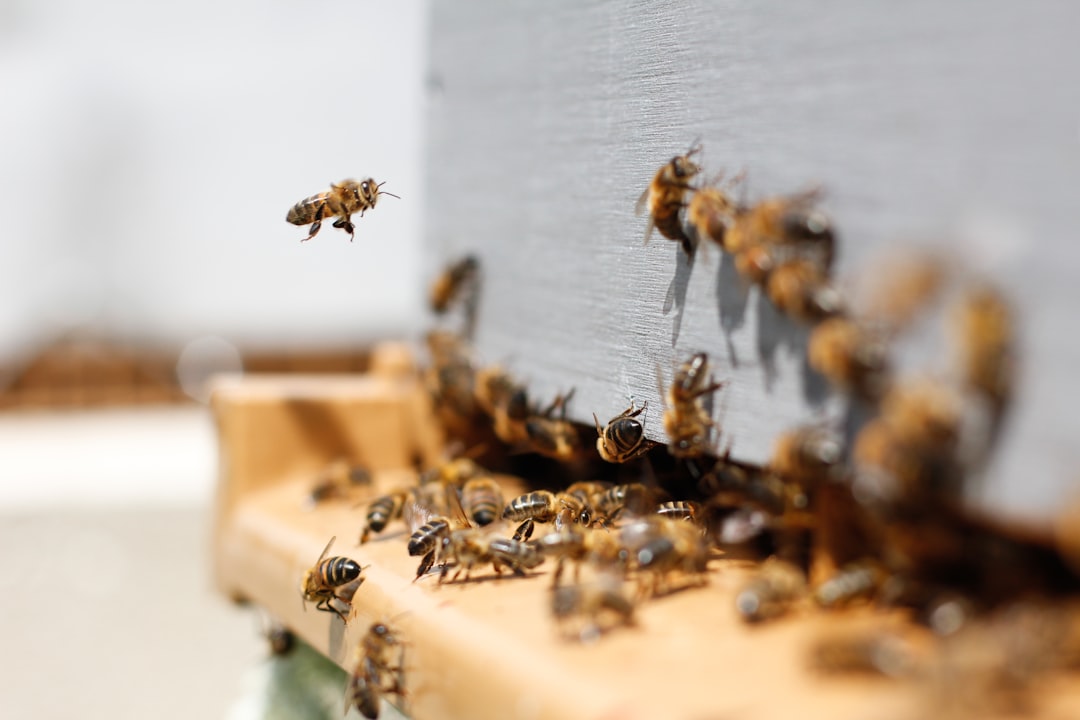
Honeybee colonies across North America have begun swarming several weeks ahead of historical patterns, alarming beekeepers and entomologists who recognize the timing shift as observable evidence of climate disruption cascading through pollinator ecosystems with immediate consequences for food security.
The premature swarms—when colonies split and thousands of bees depart with a new queen to establish separate hives—represent a phenological mismatch that threatens to desynchronize bees from the flowering plants they pollinate. Experts monitoring apiaries from California to New England report swarm activity beginning in early spring rather than late spring, driven by unseasonably warm temperatures that trigger biological cues evolved over millennia.
"This isn't just an interesting curiosity—this is happening right now, and it has real implications," one entomologist explained to The Guardian, noting that early swarms emerge before many native wildflowers and agricultural crops have bloomed, leaving bees without adequate forage during critical colony establishment periods.
The timing disruption illuminates a fundamental climate threat to ecosystems: species are responding to warming at different rates, breaking apart the synchronized relationships between pollinators and plants that evolved together. When bees swarm early but flowers haven't adjusted their blooming schedules, both suffer—bees face starvation, and plants miss pollination windows.
Beekeepers report scrambling to adapt, providing supplemental feeding to early swarms and adjusting hive management practices developed over generations of beekeeping tradition. But artificial interventions can only compensate so far when the underlying climate patterns continue shifting.
The phenomenon extends beyond honeybees. Native bee species face similar phenological pressures, though their solitary life cycles and diverse nesting strategies make population monitoring more challenging than tracking managed honeybee colonies. Wild pollinators—including bumble bees, mason bees, and thousands of other native species—lack beekeepers to buffer them through mistimed emergence.