A Minnesota solar installation transformed into an unexpected ecological restoration site after operators made a simple design choice: planting native prairie flowers beneath the panels. Six years later, the Aurora Solar Project hosts thriving monarch butterfly populations and native bee numbers that increased nearly twentyfold, demonstrating that renewable energy infrastructure doesn't require sacrificing habitat.
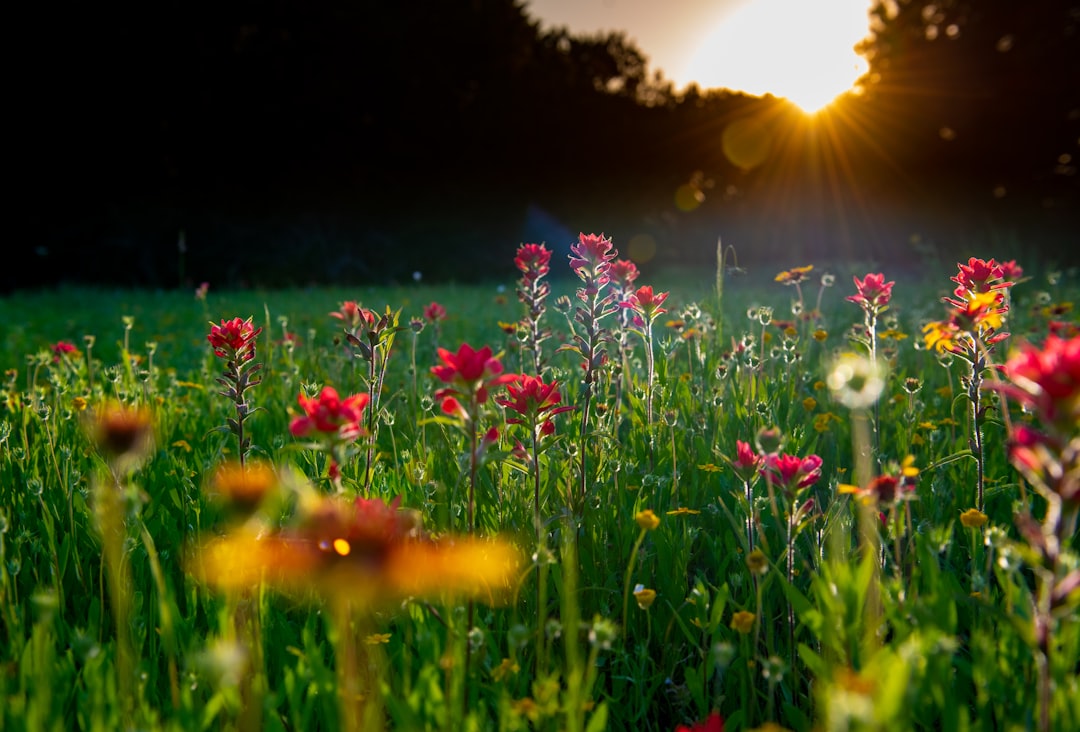
The biodiversity surge emerged from what conservation advocates call "solar meadows"—native grasses and wildflowers including milkweed varieties planted across the ground beneath photovoltaic arrays. As the vegetation matured, dozens of new plant species established themselves naturally, creating pollinator corridors that function as both energy facilities and intentionally designed ecosystems.
Monarch butterflies—whose populations have declined over 80% in recent decades due to habitat loss—now breed successfully at the site, using the abundant milkweed plants essential for their caterpillar life stage. Native bees, including ground-nesting solitary species rarely seen in conventional agricultural landscapes, colonized the flowering meadows in numbers researchers called "remarkable."
The six-year study tracked by Chisago County researchers and the National Laboratory of the Rockies revealed that solar installations can "transform into something else entirely," functioning as biodiversity refuges in regions where intensive agriculture has eliminated most native prairie habitat. In Minnesota and across the Midwest, less than 1% of original prairie ecosystems remain, making even small habitat patches ecologically significant.
In nature, as across ecosystems, every species plays a role—and humanity's choices determine whether the web of life flourishes or frays. Solar meadows demonstrate that infrastructure development can actively enhance landscapes rather than merely minimizing damage—a conservation philosophy called "land sharing" that seeks coexistence rather than segregation between human activities and wildlife.
The model arrives at a critical moment for both renewable energy and pollinator conservation. As solar capacity expands rapidly to meet climate goals, the industry will convert to solar installations over the coming decade. Whether those acres become ecological deserts of mowed turf grass or biodiversity havens depends on planting decisions made during construction.