As Japan braces for record tourism numbers, travelers planning spring trips are asking an increasingly relevant question: do places ever recover from becoming tourist traps?
The short answer appears to be: rarely, and not without major external forces.
A traveler preparing for a Japan trip expressed concern about visiting places like Harajuku and Tsukiji Outer Market—both described as "so overrun with tourists they have lost their original appeal." The question sparked a 276-comment discussion on r/travel about whether destinations ever successfully transition from tourist hotspot back to local favorite.
The answers reveal uncomfortable truths about tourism's permanent impact.
Atlantic City and the Poconos in the US represent rare examples of destinations that peaked, declined, and partially returned to local use—though both required economic collapse to achieve it. Atlantic City thrived as a beach resort until casino gambling shifted to other states. The Poconos faded when cheap air travel made international destinations more accessible than weekend Catskills escapes.
Neither "recovered" so much as became economically depressed areas with reduced tourism. That's not the hopeful answer travelers seek.
UNWTO data on tourism saturation shows that once a destination crosses certain thresholds of visitor-to-resident ratios, the economic incentives to maintain tourism infrastructure become irreversible. Venice, Barcelona, and Dubrovnik all implemented tourism caps and restrictions, but none have seen visitor numbers decline to sustainable levels.
Several commenters mentioned Detroit as an unintentional example—a city that went from tourist destination to economically devastated to emerging cultural center. But Detroit's transformation required complete industrial collapse and decades of population loss. Not exactly a replicable model.
The closest thing to genuine recovery might be destinations that shift demographics rather than reduce visitors. Miami Beach transitioned from spring break party destination to upscale cultural hub by deliberately changing the type of tourism it attracted—but total visitor numbers increased rather than decreased.
War, natural disasters, and economic crises force tourism declines. Egypt's tourism industry collapsed after political instability in 2011. Bali saw dramatic drops during COVID-19. Thailand's beaches emptied after the 2004 tsunami. In each case, tourism returned as soon as conditions stabilized—often more intensely than before as pent-up demand surged.
Why tourist destinations don't naturally "recover":
• Economic dependency - Once communities build infrastructure around tourism, local economies become dependent on visitor spending
• Property values - Tourism drives real estate prices that displace local residents, replacing residential areas with tourist services
• Infrastructure investment - Airports, hotels, restaurants represent sunk costs that communities can't abandon
• Marketing momentum - Destinations spend millions establishing brand recognition that persists for generations
• Social media amplification - Instagram and TikTok create viral destination awareness that traditional marketing never achieved
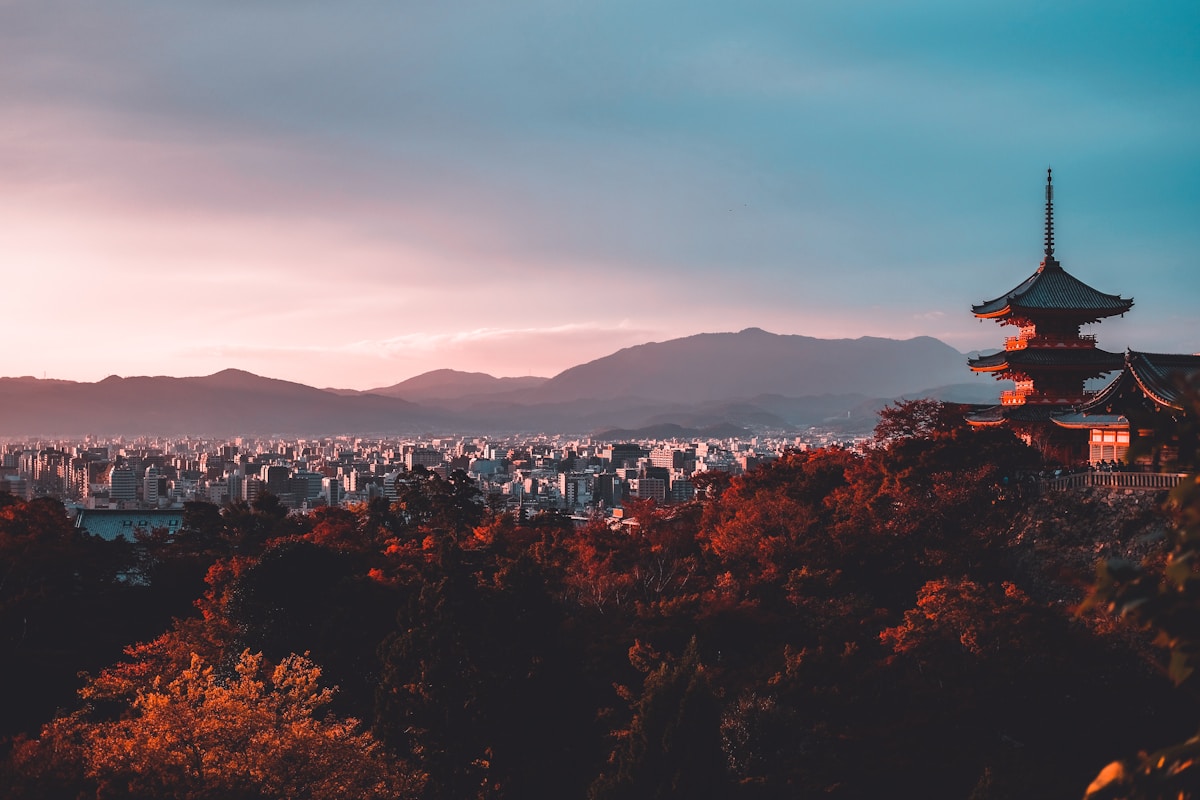
The Japan example illustrates modern challenges. Japan National Tourism Organization reports the country welcomed 25+ million visitors in 2024, approaching pre-pandemic records. Places like Harajuku, Shibuya, and Tsukiji face overtourism despite local complaints.
But other Japanese destinations show different patterns. Nara's deer park became a viral sensation, then saw tourism drop as travelers sought "undiscovered" spots. Yet Nara didn't return to local use—it simply shifted to a different tourism equilibrium.
Some travelers offered practical reframing: instead of seeking former hotspots that "recovered," look for places that never became mainstream tourist destinations. Kanazawa instead of Kyoto. Takayama instead of Tokyo. Smaller cities offering authentic culture without overtourism's impacts.
The harsh reality: tourism is a one-way door. Once a place becomes widely known and accessible, it doesn't revert to obscurity without catastrophic events forcing the change. The economics, infrastructure, and awareness persist.
What does change is which specific locations within regions attract crowds. As travelers flee overcrowded spots seeking "authentic" experiences, they inadvertently create new hotspots—a cycle travel bloggers and influencers accelerate by posting "hidden gem" content about places that immediately become crowded.
Responsible tourism advocates suggest travelers focus less on finding undiscovered places and more on traveling sustainably in known destinations: visiting during shoulder seasons, supporting local businesses over chains, respecting community spaces, and accepting that authentic experiences might mean skipping Instagram-famous locations entirely.
The best travel isn't about the destination—it's about what you learn along the way. And sometimes what you learn is that the places you love are changing permanently—and your visit contributes to that change.